
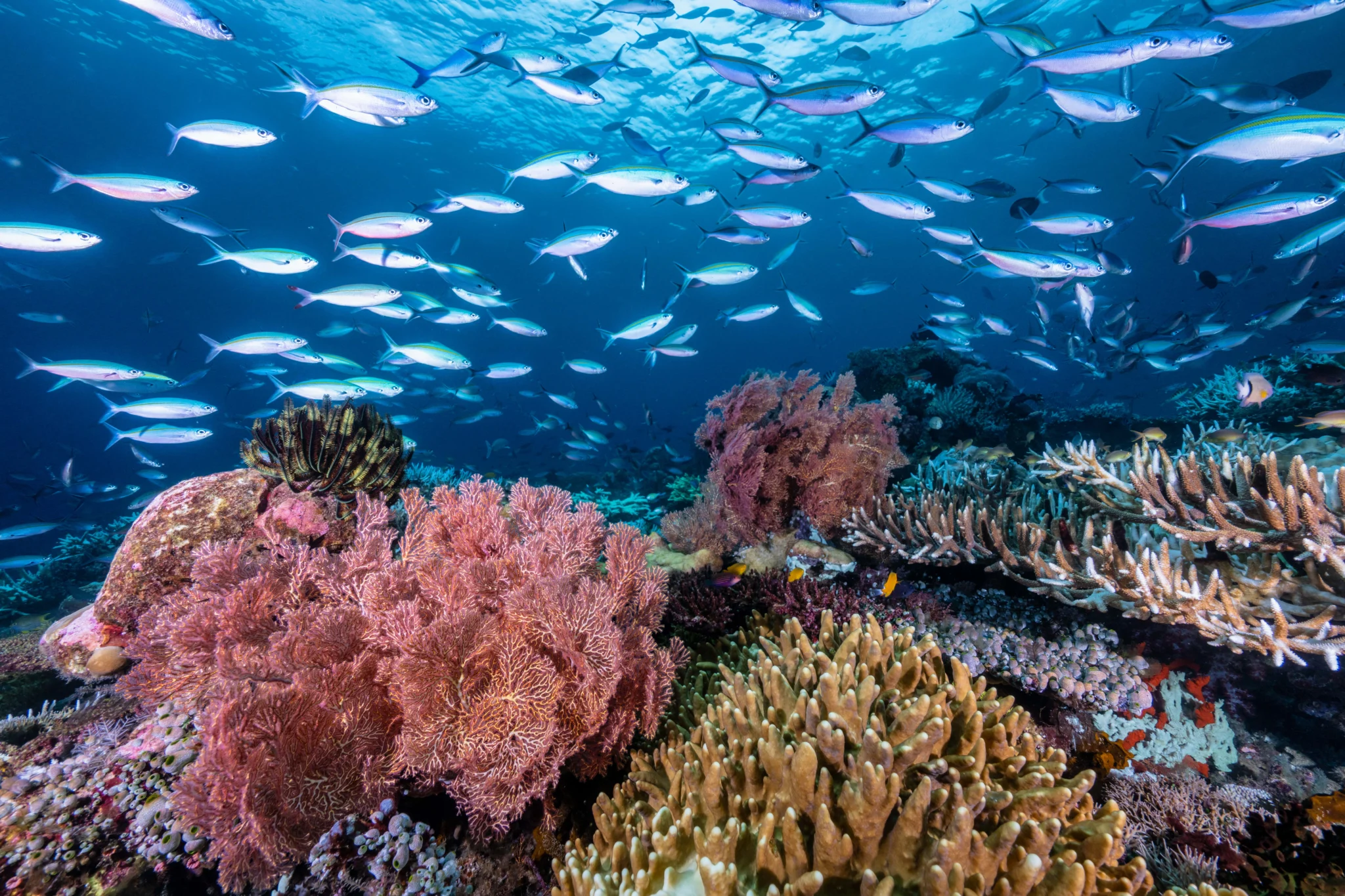

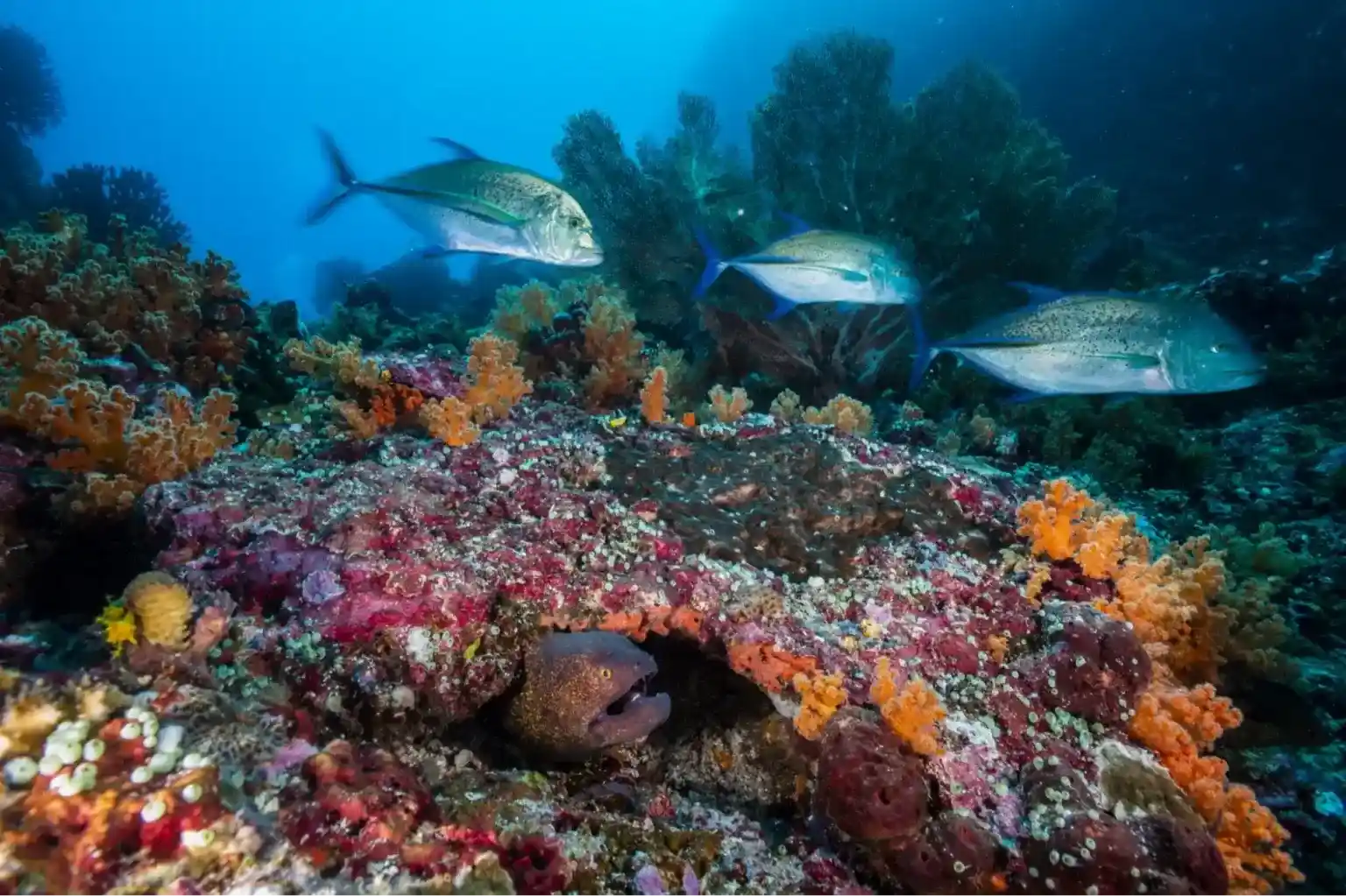
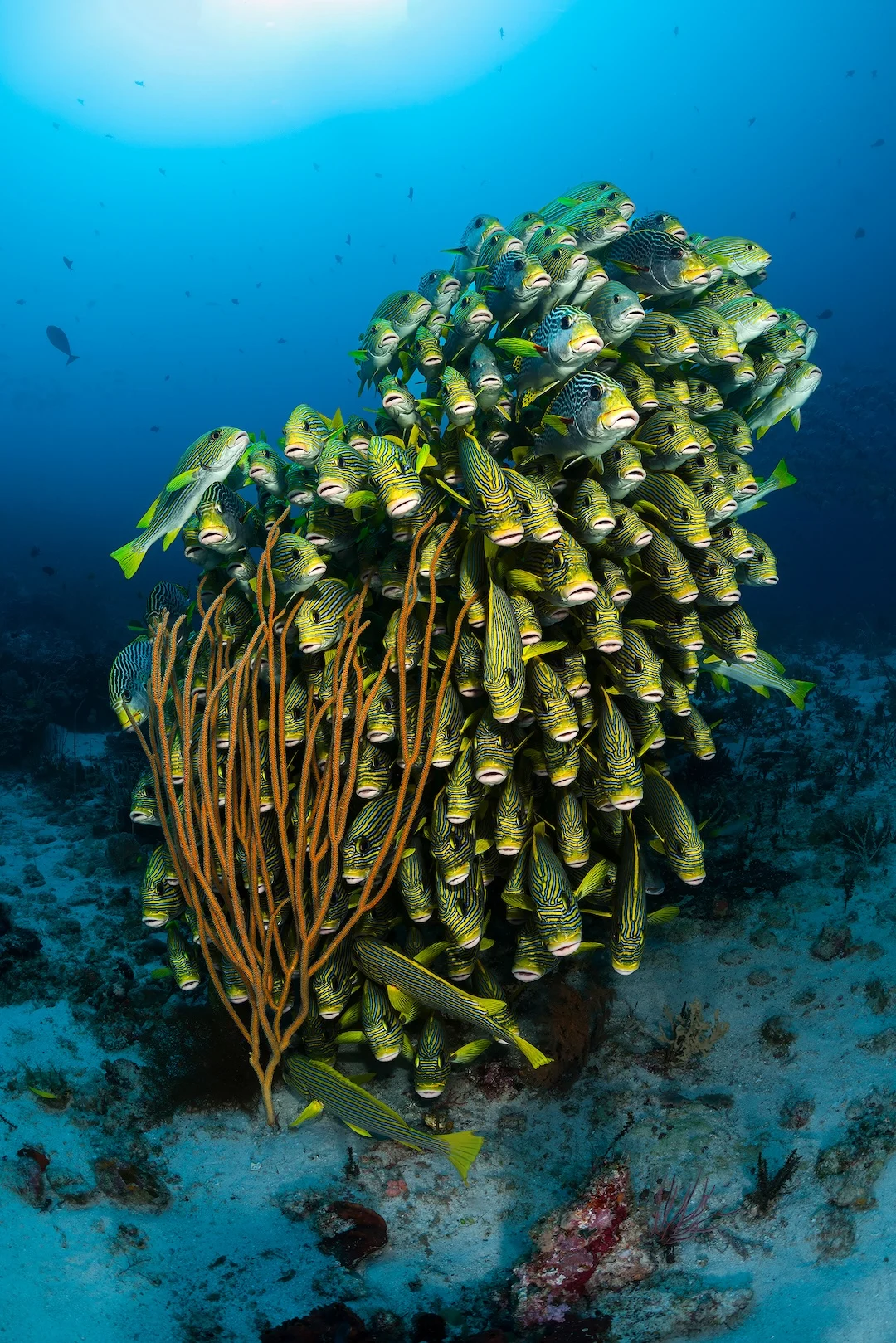
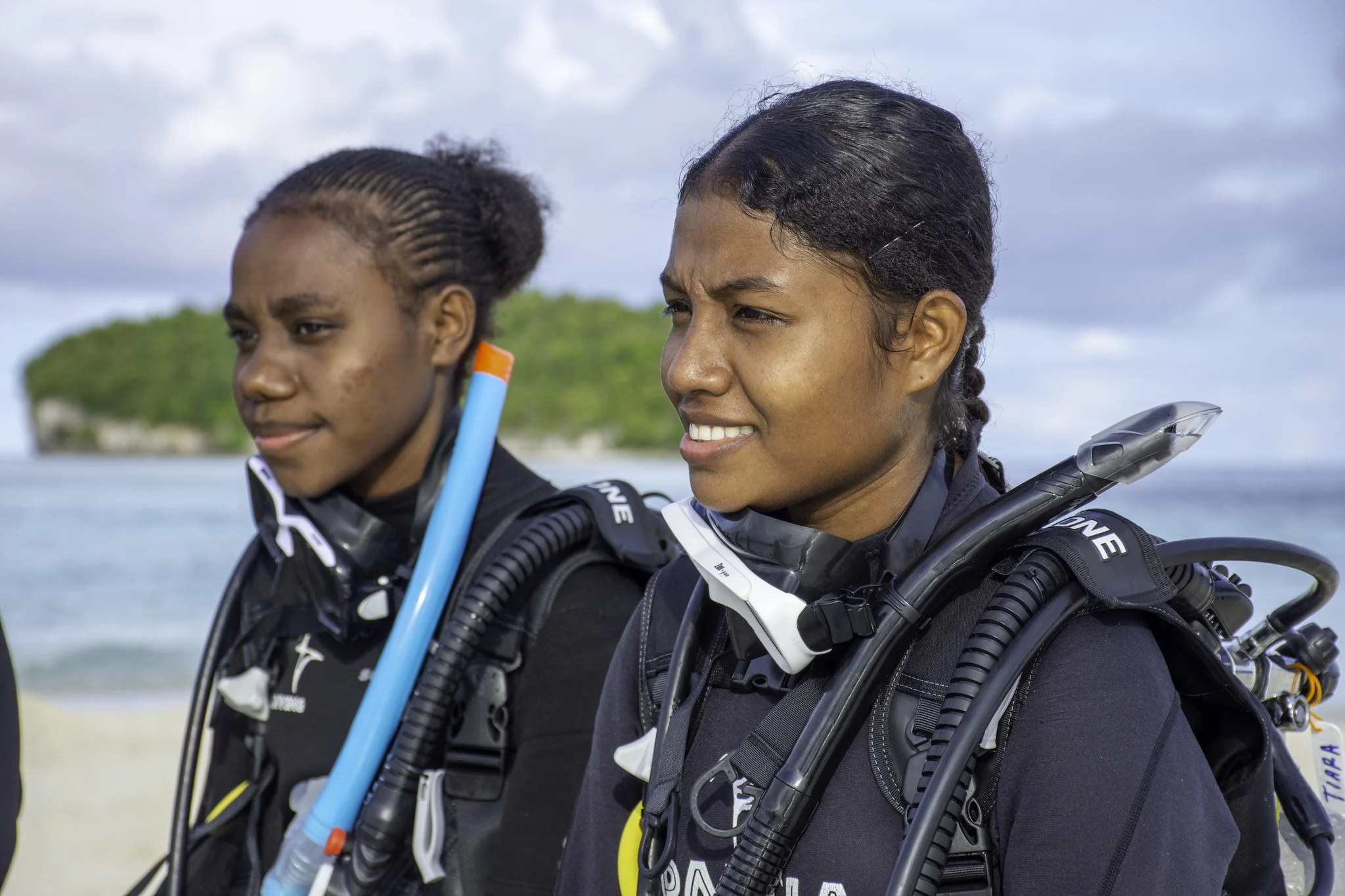
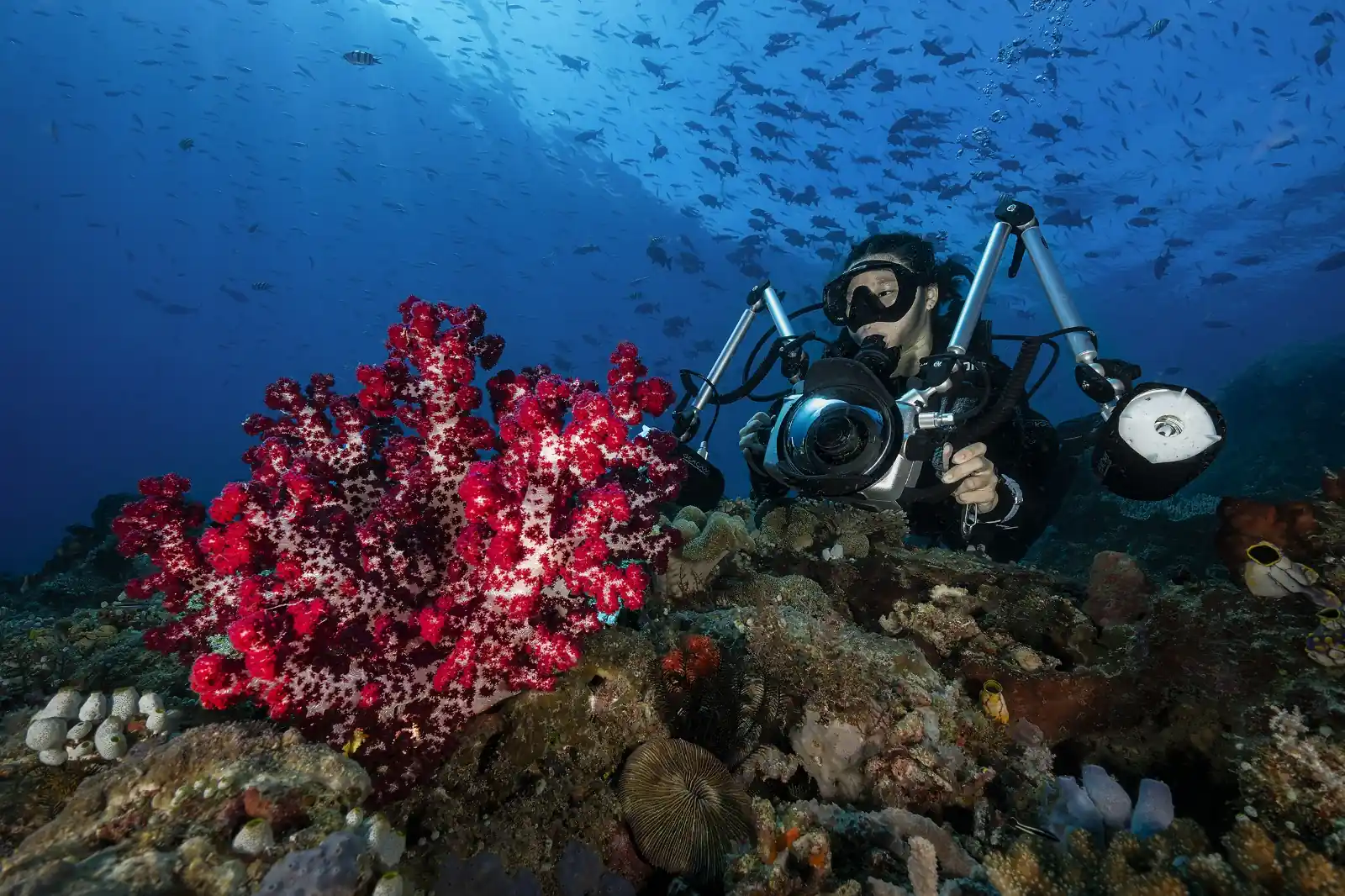

Raja Ampat is widely recognized as one of the most biodiverse marine regions on Earth. Located in the heart of the Coral Triangle, its reefs support an astonishing variety of fish, corals, and large marine animals, including several unique shark species. Among the most fascinating is the wobbegong shark, a bottom-dwelling predator famous for its unusual appearance and exceptional camouflage.

Unlike pelagic sharks that cruise continuously through open water, wobbegong sharks spend much of their time resting directly on the reef. They move slowly when necessary, using their fins to reposition themselves along the seabed. This benthic lifestyle, combined with intricate skin patterns, makes encounters especially memorable for divers and underwater photographers.

What Is a Wobbegong Shark?

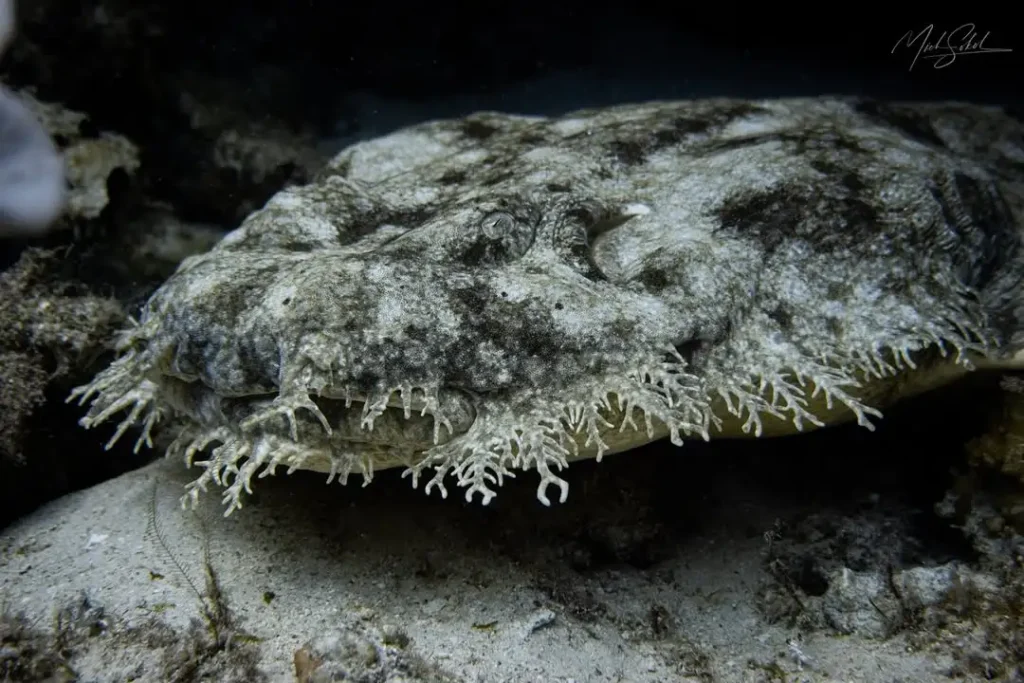
wobbegong sharks in raja ampatSource: Michsokol

A wobbegong shark is a member of the carpet shark family, named for its habit of lying on the seafloor rather than swimming constantly. Wobbegongs are ambush predators that rely on camouflage and patience, often remaining motionless until prey passes within striking distance.

The species most commonly encountered in Raja Ampat is the tasselled wobbegong. It has a flattened body, broad head, and elaborate skin patterns that closely resemble coral, sponges, and rocky reef surfaces. Fleshy dermal lobes, known as tassels, surround the mouth and help break up the shark’s outline, allowing it to blend seamlessly into its surroundings. This camouflage makes the wobbegong shark in Raja Ampat both challenging and rewarding to spot.
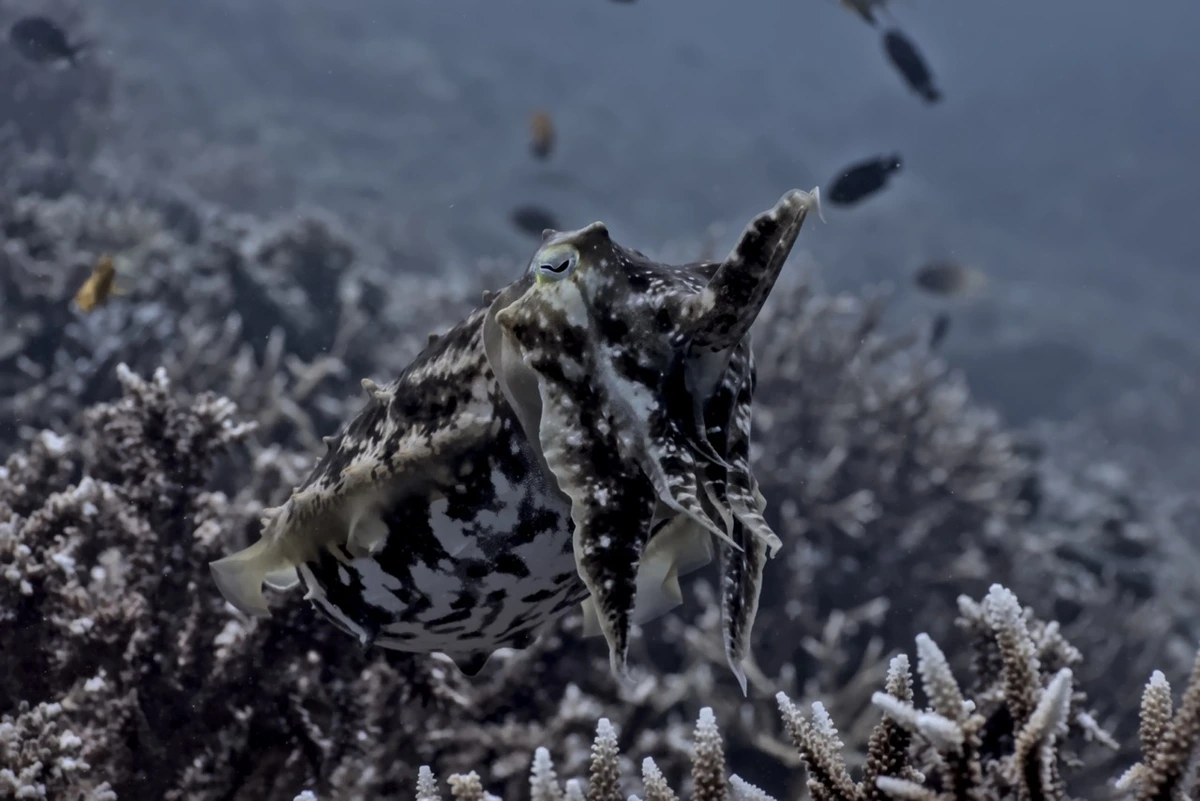
Wobbegong Shark Behavior and Habitat

Wobbegong sharks are generally inactive during daylight hours. They rest on sandy bottoms, beneath coral ledges, or inside reef overhangs, relying on camouflage to remain hidden. Many divers pass by without realizing they are observing a shark.

At dusk and during the night, wobbegongs become more active as they hunt fish, crustaceans, and octopus. Rather than chasing prey over long distances, they use short bursts of movement and powerful jaws to capture food.

Their preferred habitats include shallow coral reefs, reef slopes, rubble zones, and sandy patches adjacent to coral structures. Healthy reefs with complex formations are ideal, as they provide shelter and ambush points. Raja Ampat’s intact reef systems create excellent conditions for wobbegong sharks to thrive.

When Is the Best Time to Spot Wobbegong Sharks in Raja Ampat?

One of the advantages of diving in Raja Ampat is that wobbegong sharks can be seen year-round. However, environmental conditions such as sea state, visibility, and dive timing can influence how easily they are found.

Calmer seas and clear water improve visibility, making camouflaged animals easier to detect. Early morning dives are often productive, as wobbegongs may still be resting in exposed areas after nighttime feeding. Night dives can also offer excellent opportunities, as the sharks are more active and occasionally observed moving across the reef.

In summary, the best time to see a wobbegong shark in Raja Ampat depends less on the calendar and more on water clarity, lighting conditions, and dive planning.

Where to Spot Wobbegong Sharks in Raja Ampat

Wobbegong sharks are most often found in areas with complex reef structures. Look for coral ledges, overhangs, caves, and sandy patches next to reefs. These environments allow them to hide effectively while remaining close to feeding grounds.

Many well-known Raja Ampat dive sites feature these conditions, with vibrant reefs and minimal human impact. Staying with Papua Diving Resorts gives divers access to experienced local guides who understand where wobbegongs are most likely to be found at different times of day. Their familiarity with individual sites significantly increases the chances of spotting a wobbegong shark in Raja Ampat without disturbing it.

Tips for Spotting and Photographing Wobbegong Sharks

Spotting a wobbegong requires patience and careful observation. Slow finning and good buoyancy control are essential. Instead of scanning the water column, focus attention on the reef itself. Examine sandy bottoms, reef edges, and shaded overhangs, looking for patterns or textures that seem slightly unusual.

Guided dives are particularly valuable, as local dive guides recognize subtle signs that reveal a resting shark. For photographers, using available natural light and avoiding sudden movements helps minimize disturbance while capturing detailed images of the shark’s camouflage.

Raja Ampat SEACAM Center and underwater photography workshops offer valuable opportunities to improve underwater photography skills and marine species identification. These programs help divers learn how to observe and photograph wobbegong sharks responsibly.

Safety and Responsible Encounters

Wobbegong sharks are generally calm and non-aggressive. However, like any wild animal, they can defend themselves if threatened. Bites typically occur only when a shark is touched, cornered, or accidentally stepped on.

Responsible behavior is essential. Maintain a respectful distance, avoid blocking the shark’s escape route, and never attempt to touch or move it for a better photo. Good buoyancy control prevents accidental contact with both the shark and the reef. By respecting these guidelines, divers protect themselves and help preserve Raja Ampat’s delicate marine ecosystems.

Increase Your Chances of Seeing Wobbegong Sharks

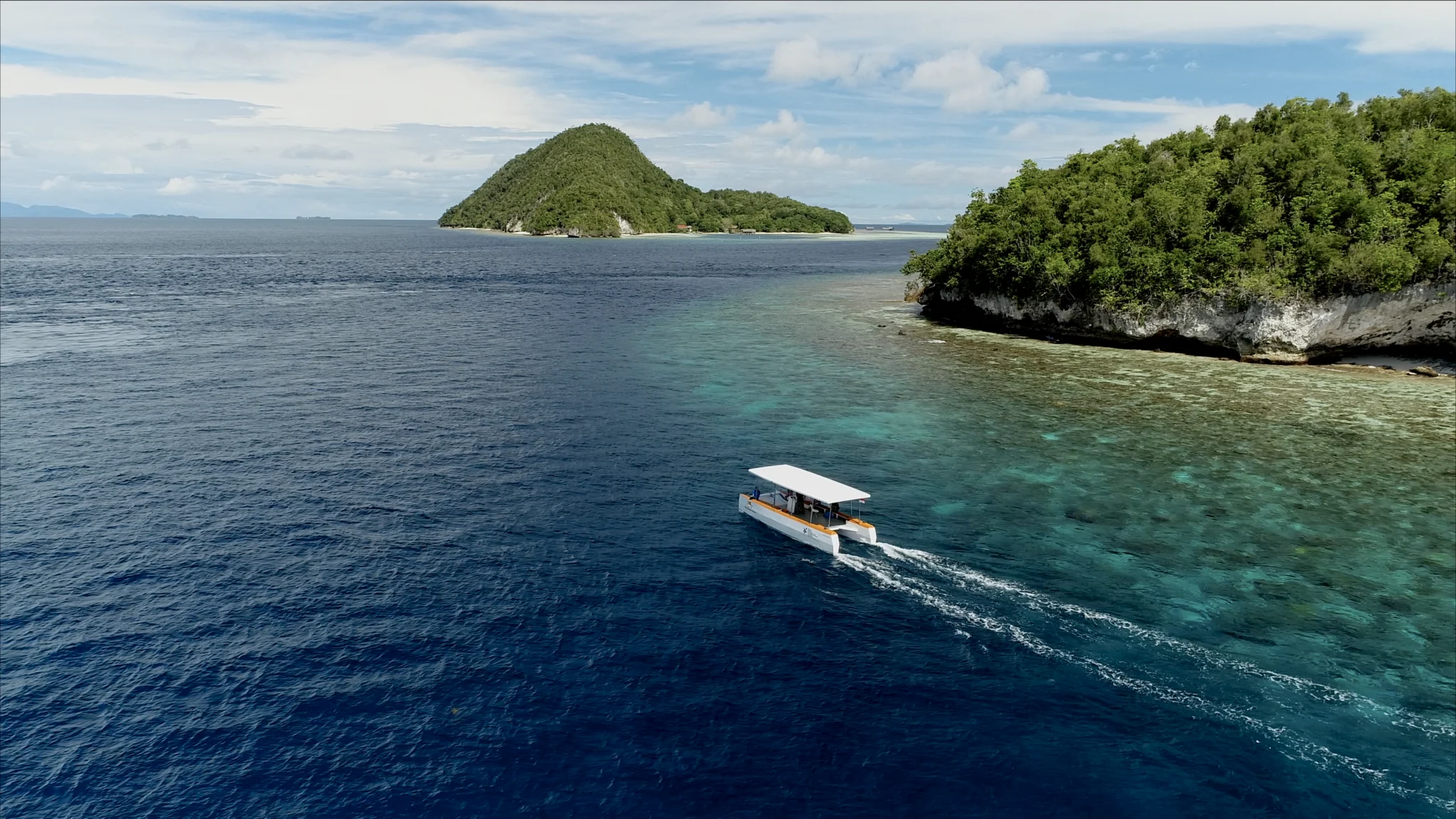
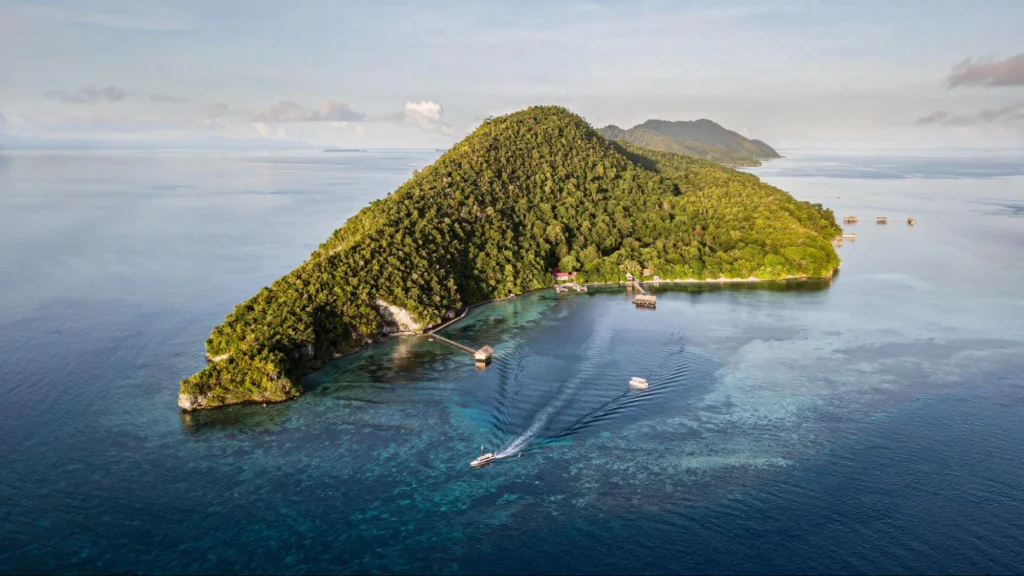
aerial image of Papua Diving Resort in Raja Ampat, Indonesia - by Don Silcock
Papua Diving Resorts Aerial by Don Silcock

Papua Diving Resorts have decades of experience operating in Raja Ampat. Their expert local dive guides understand shark behavior and specific microhabitats where wobbegongs are often found. This knowledge significantly improves the likelihood of encounters.

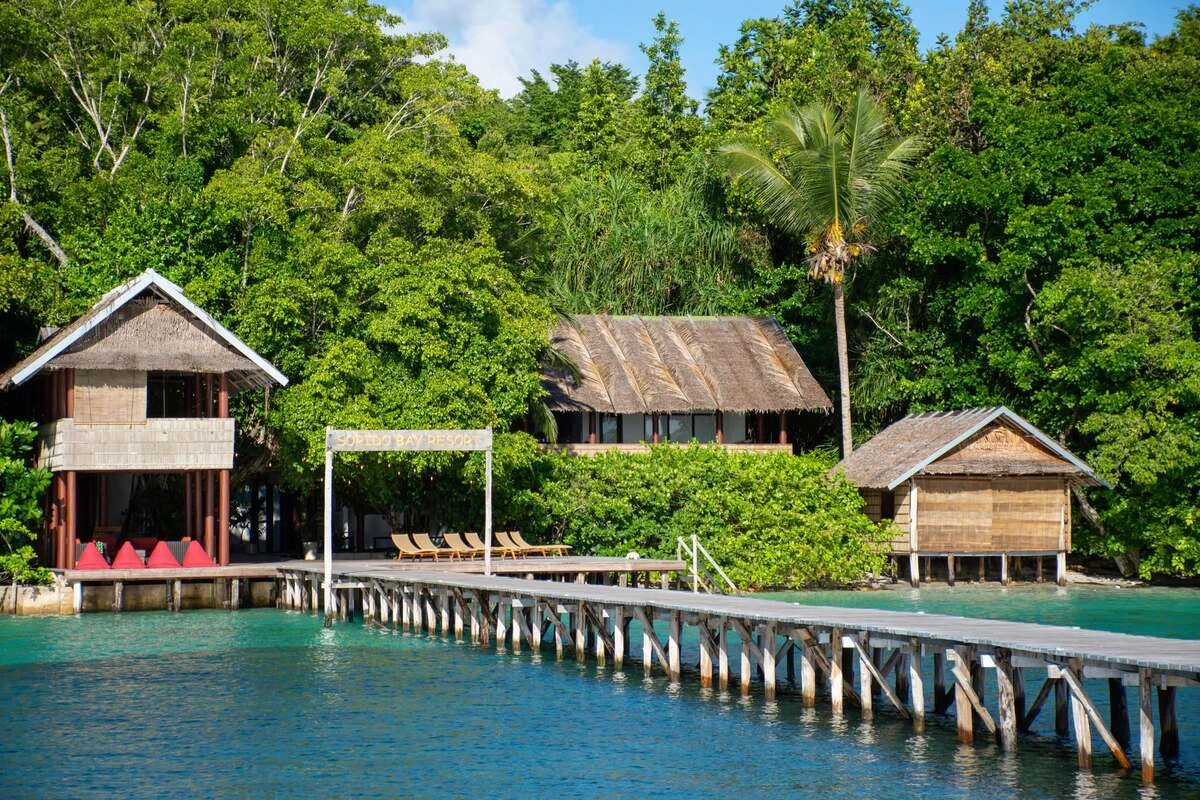
Sorido Bay Resort and Kri Eco Resort are strategically located near world-class dive sites with healthy reefs and frequent wobbegong sightings. Both resorts provide direct access to exceptional diving, knowledgeable teams, and conservation-focused practices.

Underwater photography workshops further enhance the experience by teaching divers how to observe and photograph wobbegong sharks ethically while deepening their understanding of Raja Ampat’s marine life.
Frequently Asked Questions

What is a wobbegong shark?

A wobbegong shark is a bottom-dwelling carpet shark known for its flattened body, broad head, and highly effective camouflage. Instead of swimming constantly, wobbegongs spend much of their time resting on the seafloor and rely on ambush hunting to capture prey.

Are wobbegong sharks dangerous to humans?

Wobbegong sharks are generally not dangerous to humans if they are left undisturbed. They are calm and sedentary animals that prefer to rest on the reef. Most recorded incidents occur only when a wobbegong is touched, stepped on, or feels threatened at close range.

When is the best time to see wobbegong sharks in Raja Ampat?

Wobbegong sharks can be seen year-round in Raja Ampat. Early morning dives often provide good opportunities, as sharks may still be resting in visible areas. Night dives can also be productive, as wobbegongs become more active while hunting.

Where can you find wobbegong sharks in Raja Ampat?

In Raja Ampat, wobbegong sharks are commonly found on healthy coral reefs, sandy areas near reef structures, and beneath ledges or overhangs. They prefer areas with complex reef formations that provide shelter and effective camouflage.

Are wobbegong sharks rare?

Wobbegong sharks are not considered rare in Raja Ampat due to the region’s well-preserved reefs and strong conservation practices. However, their excellent camouflage means they are often overlooked, even when resting in plain view.

Experience Wobbegong Sharks in Raja Ampat

Raja Ampat is one of the world’s best destinations to encounter wobbegong sharks. Its pristine reefs, extraordinary biodiversity, and experienced dive operations create ideal conditions for observing these remarkable reef-dwelling sharks. By understanding their behavior, choosing appropriate dive times, and diving with knowledgeable guides, visitors greatly increase their chances of memorable and responsible encounters.

Staying with Papua Diving Resorts and enhancing skills through underwater photography workshops allows divers to experience wobbegong sharks responsibly while contributing to the long-term protection of Raja Ampat’s remarkable marine environment.