




Source: Tobias Friedrich
Where: Just off Kri Island, a few minutes by boat from Sorido Bay Resort and Kri Eco Resort.
What it is: A vibrant coral reef with sloping terrain, ideal for a variety of diving experiences.
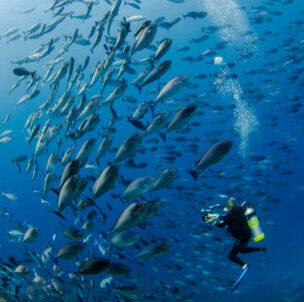
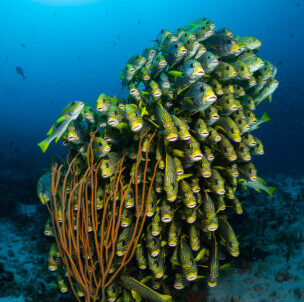
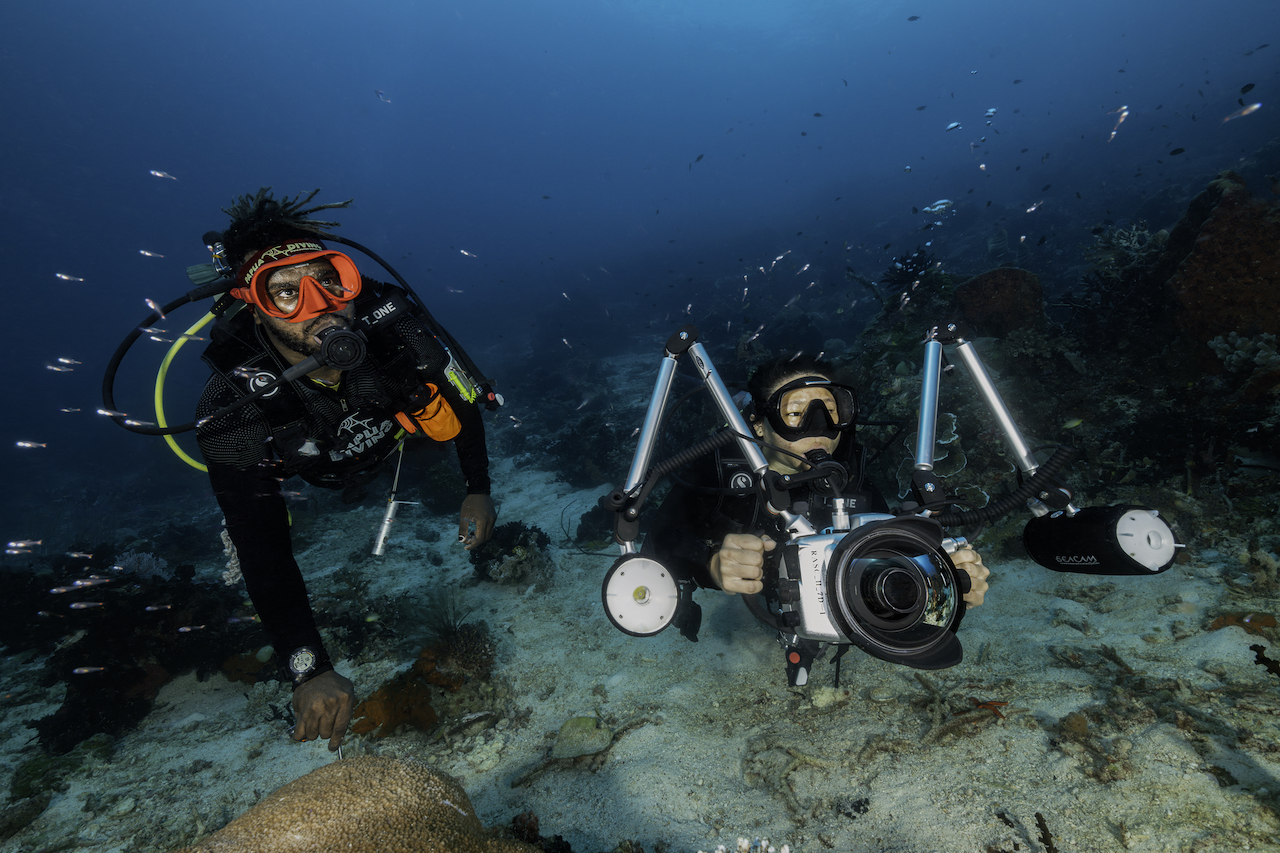
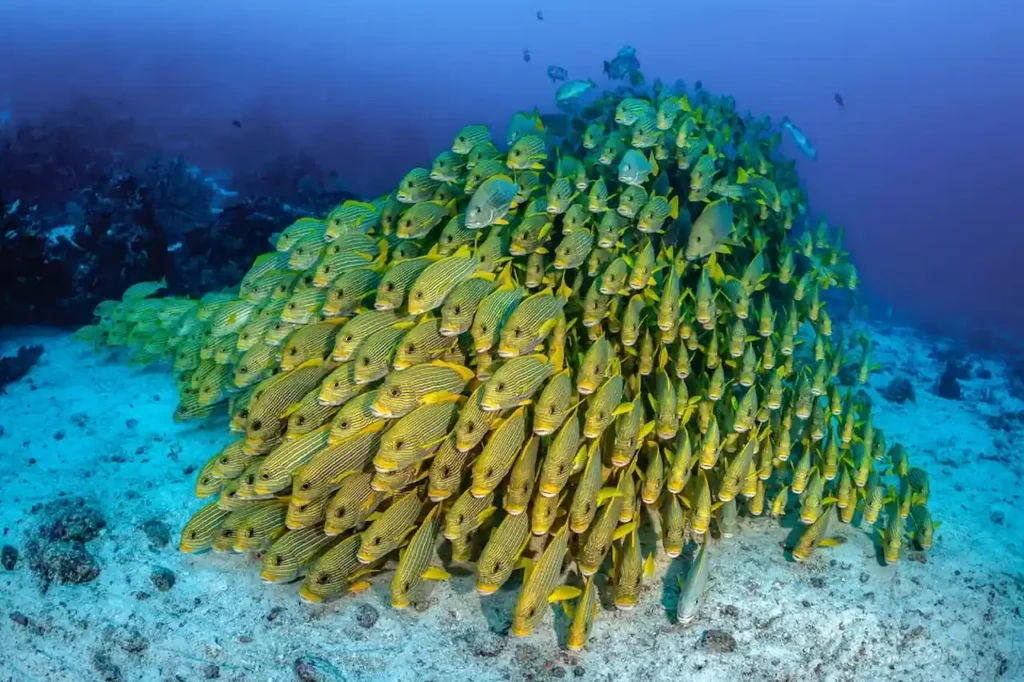
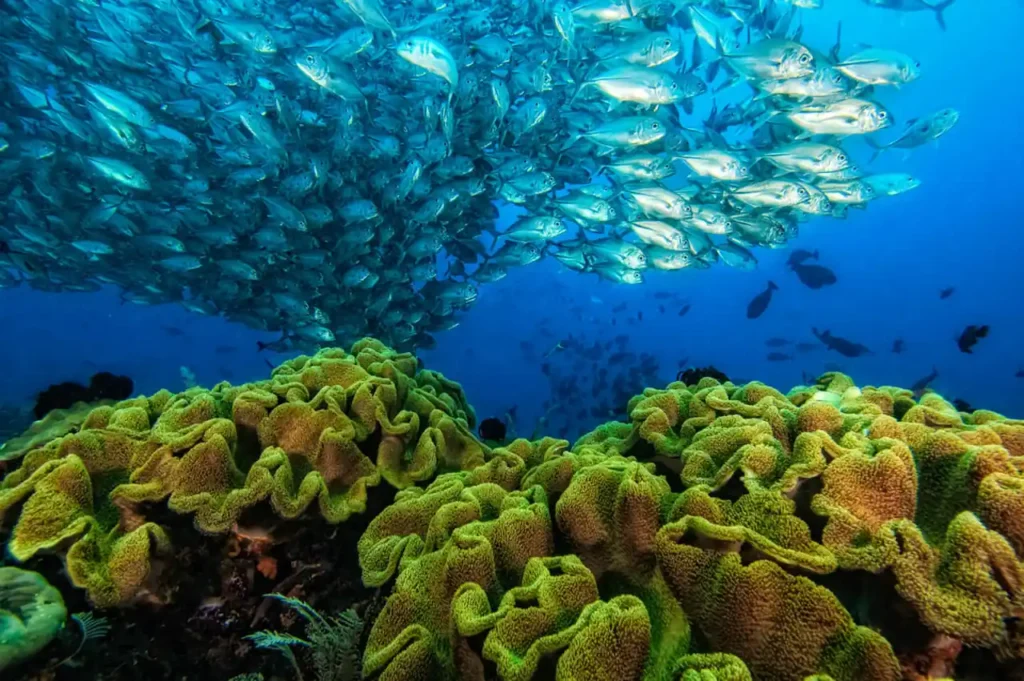
Why it’s special: Cape Kri holds the world record for the highest number of fish species ever recorded in a single dive. This incredible biodiversity is best seen in schools of snapper, jacks, barracuda, and reef sharks patrolling the area. The site’s topography, combined with a rich ecosystem, creates a dynamic underwater scene. Divers here often experience the exhilarating rush of marine life swarming in every direction, making it a unique underwater adventure.
Photography tip: Ideal for wide-angle shots that capture both the movement of large schools of fish and the vivid colors of the coral slopes. To best showcase the volume of marine life, focus on using a lens that captures expansive scenes.
Source: Byron Conroy
Where: Near Fam Islands, around 45 minutes from our resorts.
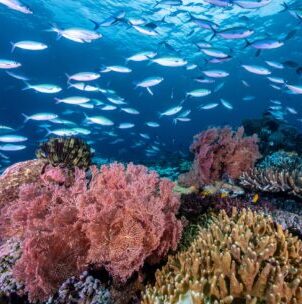
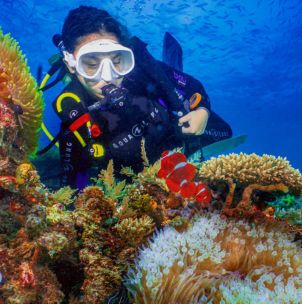
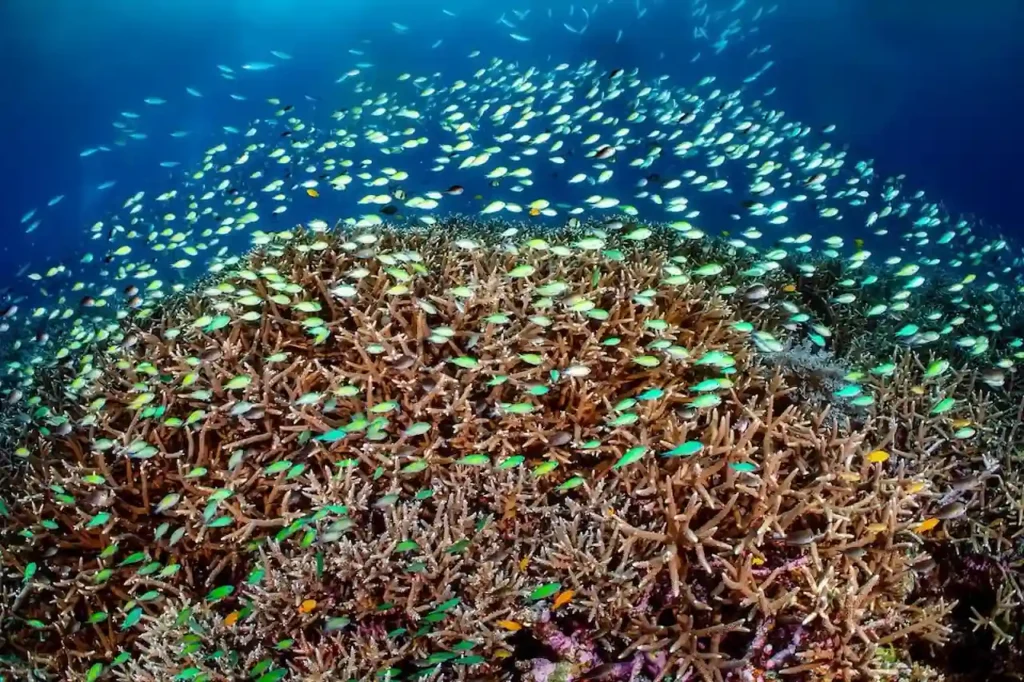
Why it’s special: Melissa’s Garden is often regarded as one of the most beautiful coral gardens in the world. The site features a stunning variety of hard and soft corals, creating a kaleidoscope of colors that is both breathtaking and unique. Swarms of anthias, delicate anemones, and playful clownfish add to the garden-like atmosphere, making it a perfect spot for divers and underwater photographers alike. The natural light filtering through the clear water enhances the already vibrant hues, creating an almost magical scene.
Fun fact: Melissa's Garden was named by Max Ammer, the founder of Papua Diving Resorts, after his daughter, Melissa.
Photography tip: Use a wide-angle lens to capture the vast coral formations and textures.
Source: Anita Verde & Peter Marshall
Where: About 15 minutes by boat from Kri Island.
What it is: A submerged seamount that rises steeply from the deep ocean floor.
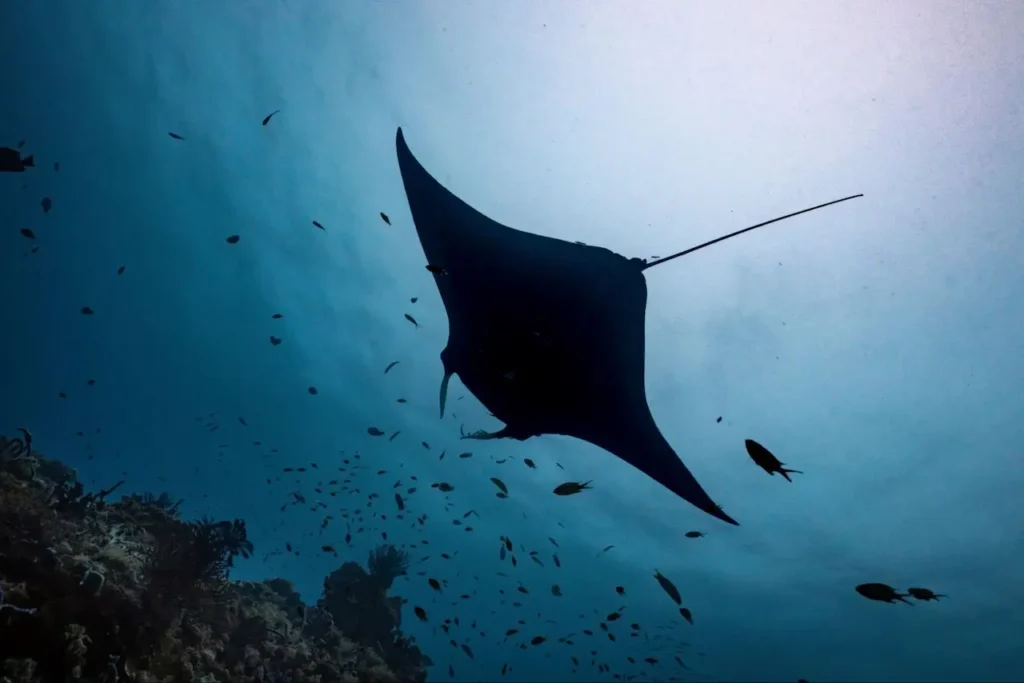
Why it’s special: Blue Magic is famous for its pelagic life and the dramatic presence of manta rays, wobbegong sharks, and trevally. This site is also an ideal location for observing large schools of fish and the mesmerizing movement of the mantas gliding effortlessly through the water. The combination of these larger creatures with the light rays filtering through the deep blue water creates a cinematic underwater environment, making it a favorite among photographers and experienced divers.
Photography tip: Visit early in the morning when sunlight is soft and mantas are most active. The interplay of light and the sleek silhouette of mantas will provide exceptional photographic opportunities.
Where: Located near Mansuar Island, around 25 minutes from Sorido Bay Resort.
Why it’s special: This site is renowned for its photogenic underwater jetty, giant clams, and friendly turtles. Rich in both wide-angle and macro photography opportunities, Sauwandarek's biodiversity provides a compelling dive experience for both novice and experienced divers. The reef here is teeming with life, from sweetlips and wrasse to an array of other reef fish. The shallow waters allow for vibrant and detailed photography, particularly when sunlight filters through the structures and coral.
Photography tip: The best time for photos is during the early to mid-morning when the sunlight is softer and penetrates through the shallow waters, illuminating the corals and marine life. This time of day offers vibrant colors and dynamic contrasts, making for stunning underwater shots.
Source: Corinne Bourbellion
Where: Near the southern tip of Kri Island, only 10 minutes by boat.
What it is: A dive site with dramatic underwater topography featuring tunnels and swim-throughs.
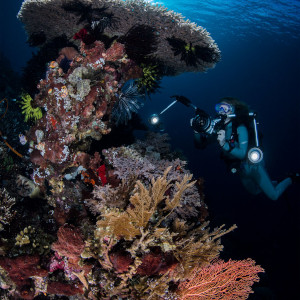
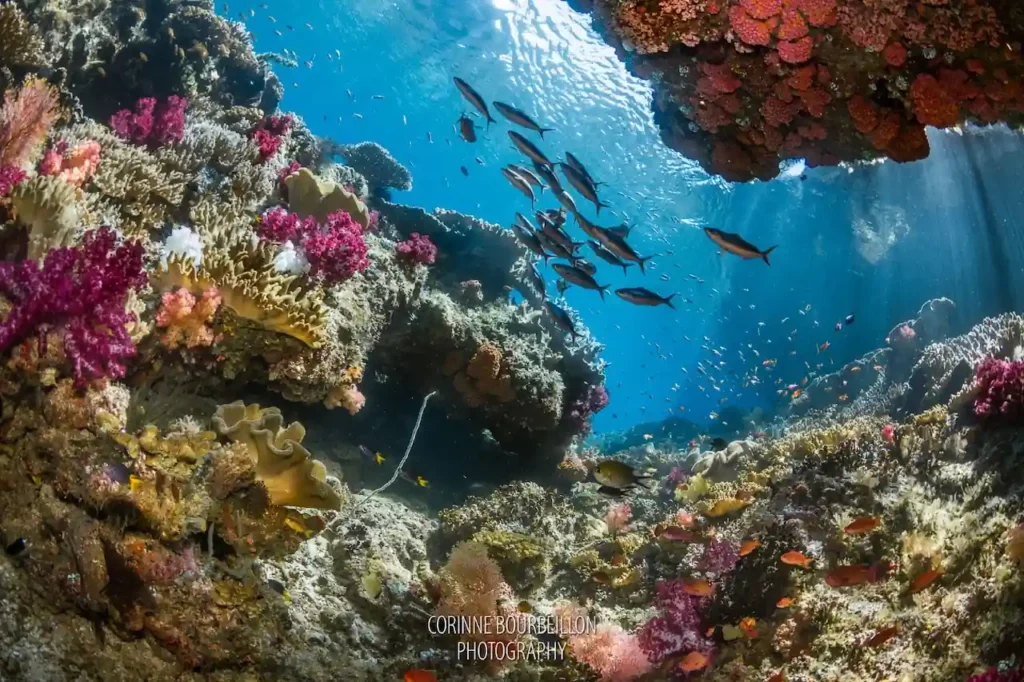
Why it’s special: Discovered by Papua Diving Resort’s founder, Max Ammer, and named after his son, Mike’s point is distinguished by its dramatic underwater landscapes, such as rock tunnels and swim-throughs. The light filtering through these structures creates stunning silhouettes and shadow play, offering photographers a rare opportunity to capture dynamic compositions. The variety of topography combined with the abundance of reef life makes this site a photographer's dream, perfect for capturing unique underwater scenes.
Fun fact: Some say that during World War II, Mike’s Point was mistakenly bombed by Allied forces who believed the rock formations and swirling currents resembled a warship from the air.
Photography tip: Take advantage of the dramatic light filtering through the rock formations to capture striking silhouettes of divers and marine life. The varying depths and unique topography offer endless opportunities for creative shots.
Where: About 1.5 hours from the resorts.
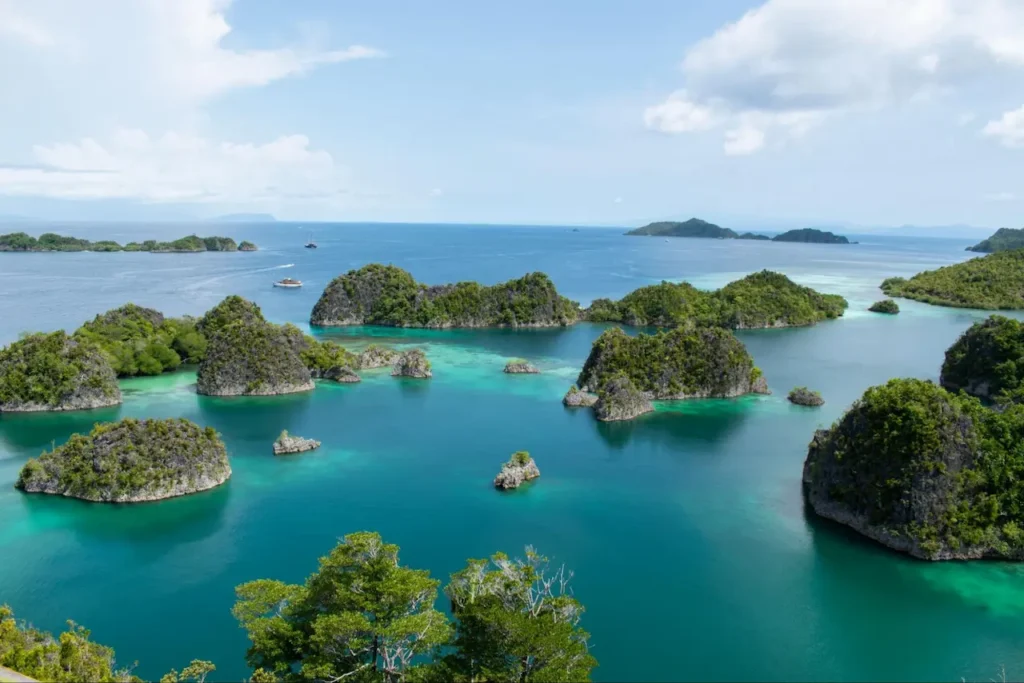
What it is: Part of the well-known Fam Islands, Piaynemo is a stunning group of limestone islands rising sharply from turquoise waters, creating one of Raja Ampat’s most iconic landscapes. The karst formations resemble a series of towering peaks scattered across bright blue lagoons, and the viewpoint at the top offers the classic Fam Islands panorama seen in many Raja Ampat guides. Our Fam Islands excursion brings guests here as part of a full-day trip that also includes two morning dives at sites like Melissa’s Garden, one of the region’s most spectacular coral gardens.
Why it’s special: Piaynemo is often referred to as the "Raja Ampat of the skies" due to its extraordinary panoramic views. The unique karst limestone formations make it one of the most photographed locations in Raja Ampat, with its jagged peaks and the turquoise lagoons between them providing a stunning contrast. The viewpoint offers a perfect opportunity to capture both the beauty of the islands from above and the vibrant marine ecosystem below. It’s a must-see for nature lovers and photographers alike.
Fun fact: The stunning view from Piaynemo's viewpoint is so iconic that it has been featured on the 100,000 IDR banknote in Indonesia, making it one of the most recognized images of Raja Ampat worldwide.
Photography tip: Early morning or late afternoon provides the best lighting for capturing Piaynemo's dramatic karst formations and turquoise waters. The view from the top of the viewpoint is perfect for wide-angle shots, while a drone can capture the full scale of the surrounding islands and their emerald waters.
Source: Papua Diving Resorts
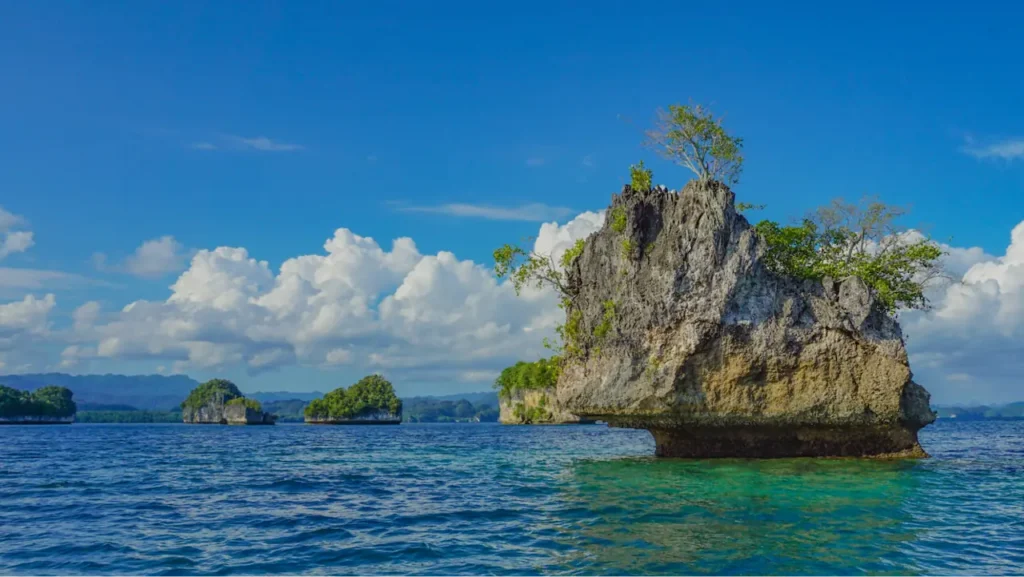
Where: Located between Gam Island and Waigeo, approximately 60–75 minutes by boat from Kri Island.
What it is: A stunning maze of narrow channels, limestone cliffs, and hidden bays surrounded by lush green forest. The area includes The Passage and the peaceful Hidden Bay, both known for calm waters and beautiful mix of mangroves, shallow reefs, and towering rock formations.
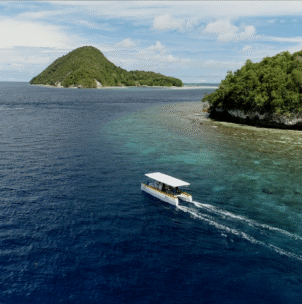
Why it’s special: This is one of the most visually striking landscapes in Raja Ampat, and a dream location for drone enthusiasts. Guests can capture breathtaking aerial shots of Papua Diving’s boats weaving through the limestone labyrinth, framed by turquoise waters and untouched rainforest. The calm channels make the journey peaceful and immersive, offering a rare blend of rainforest, mangroves, and coral reef scenery all in one place. Many guests say this experience feels like entering a hidden world, where the beauty of Raja Ampat’s geology and nature are on full display.
Photography tip: Fly your drone high to highlight the maze-like structure of the channels, then drop lower for cinematic clips of the boat gliding through curves. Soft morning or late-afternoon light enhances the greens, blues, and limestone textures beautifully.
Source: Kemenparekraf
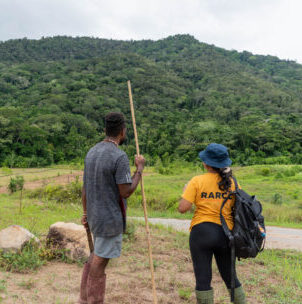
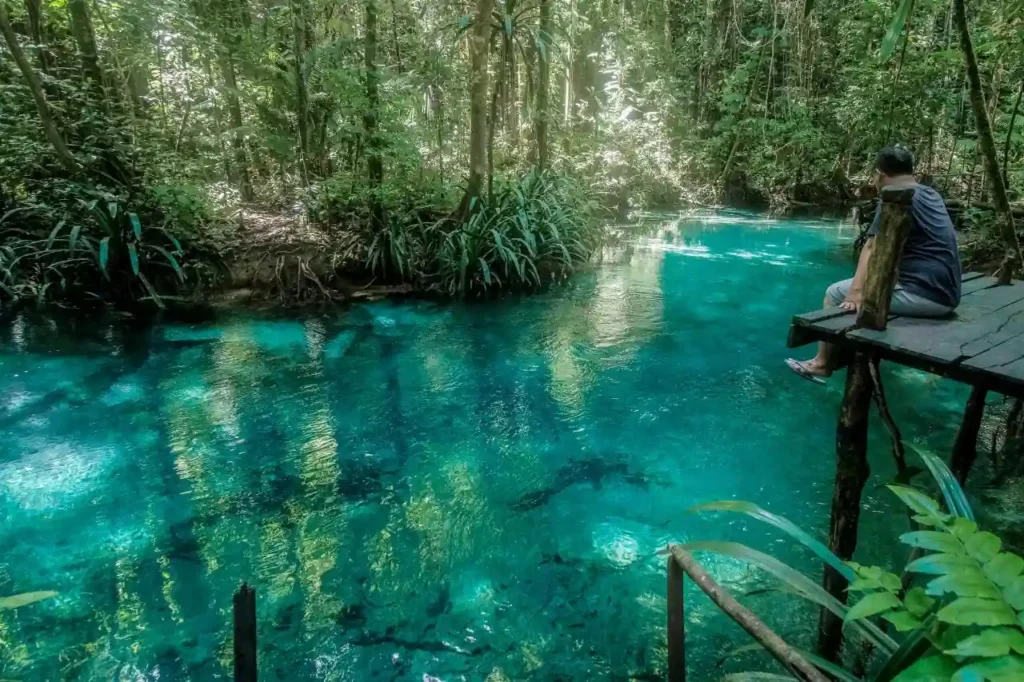
Where: About 1.5 hours by boat and a short trek from Kri Island.
What it is: A secluded river winding through the dense, lush Papuan jungle, known for its striking turquoise water and serene atmosphere. The river's vibrant color is due to natural minerals and the reflection of the surrounding jungle canopy, creating a stunning visual contrast against the rich greenery of the area. This hidden gem offers a unique experience for nature lovers and photographers seeking to capture the beauty of Raja Ampat beyond the ocean.
Why it’s special: The Blue River is a quiet, peaceful escape from the more popular dive sites of Raja Ampat. Its vivid blue waters, surrounded by thick jungle, create a surreal and almost magical atmosphere. The river's isolation adds to its charm, making it an excellent spot for photography, particularly for those looking to capture the natural beauty of Papua in a way that few others have. Its pristine environment offers a rare opportunity to photograph untouched nature and tranquil water reflections.
Photography tip: Visit mid-morning for the best light and minimal wind, which will help you capture the river's perfect reflections on the water’s surface. A wide-angle lens will also help you capture the full beauty of the scene from the ground.
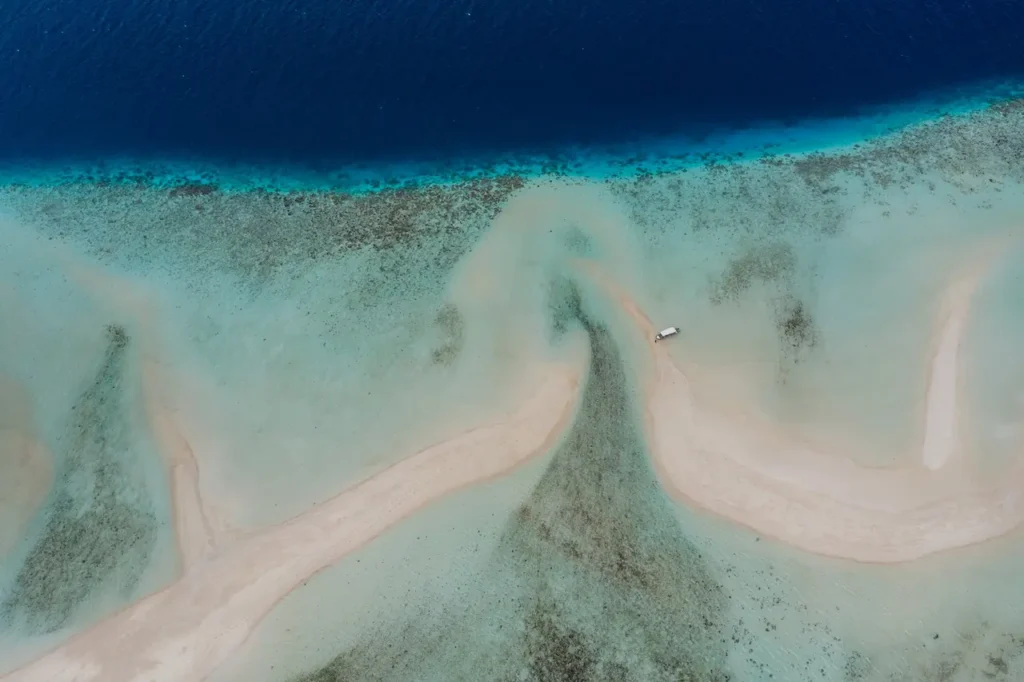
Where: Located just off the coast of Sorido Bay and Kri Eco Resorts, a short boat ride (or kayak) from both.
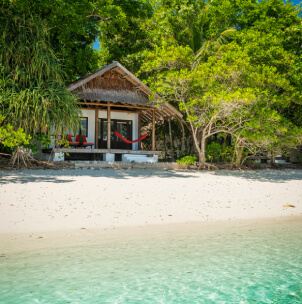
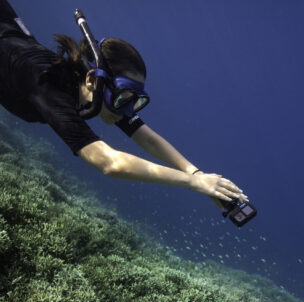
Why it’s special: The sandbank offers one of the most tranquil and picturesque settings in Raja Ampat. At low tide, the sandbar emerges from the surrounding waters, providing an idyllic place to enjoy the sun and the view. The surrounding reefs are home to a rich variety of marine life, and the waters around the sandbank are perfect for snorkeling and swimming. The site’s seclusion and beauty make it an ideal place for those seeking a quiet retreat or unique photo opportunities.
Photography tip: Use a wide-angle lens. The best time to visit the sandbank is at low tide when it fully emerges from the water. Early morning or late afternoon light creates dramatic shadows and vibrant colors, perfect for capturing its beauty. A drone shot can also give you a stunning aerial view of the sandbar surrounded by turquoise waters.
Source: Everlasting Photoart
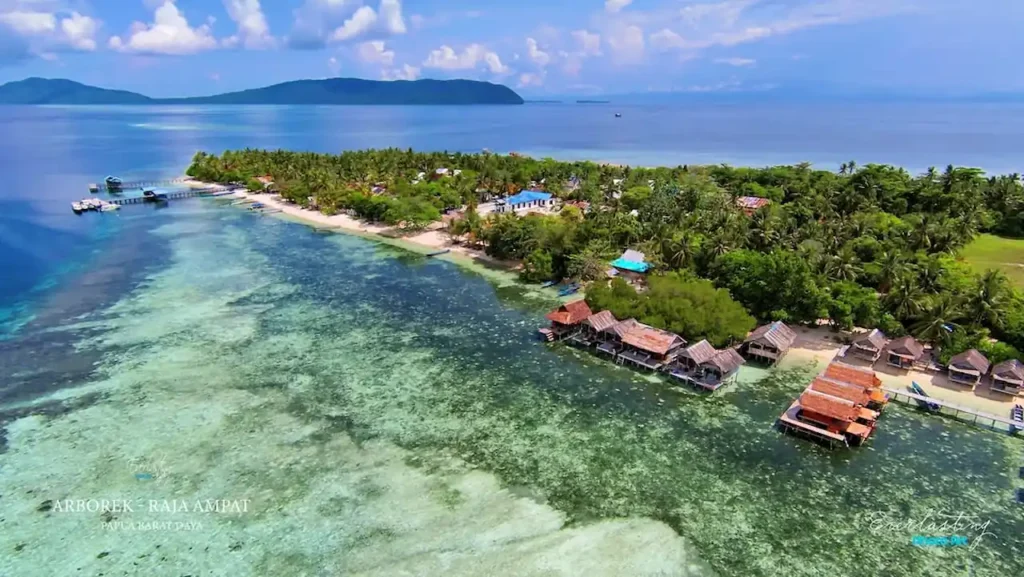
Where: Around 45 minutes by boat from Kri Island.
What it is: A small, traditional village situated on the edge of a beautiful coral reef, with a rustic jetty extending into the clear blue waters of Raja Ampat. The village is known for its warm, welcoming community and the vibrant marine life surrounding the jetty, which is a popular spot for both diving and snorkeling. We take our guests here for a surface interval as part of the Manta Excursion.
Why it’s special: Arborek Village offers a unique cultural experience combined with stunning underwater beauty. The village is home to a friendly local community, many of whom are involved in marine conservation efforts and eco-tourism. The Arborek Jetty is famous for its rich biodiversity, with schools of fish, reef sharks, and occasional manta rays visible right from the jetty’s edge. The crystal-clear waters around the jetty are perfect for diving and snorkeling, making it an ideal location for those seeking a mix of cultural immersion and underwater adventure.
Photography tip: