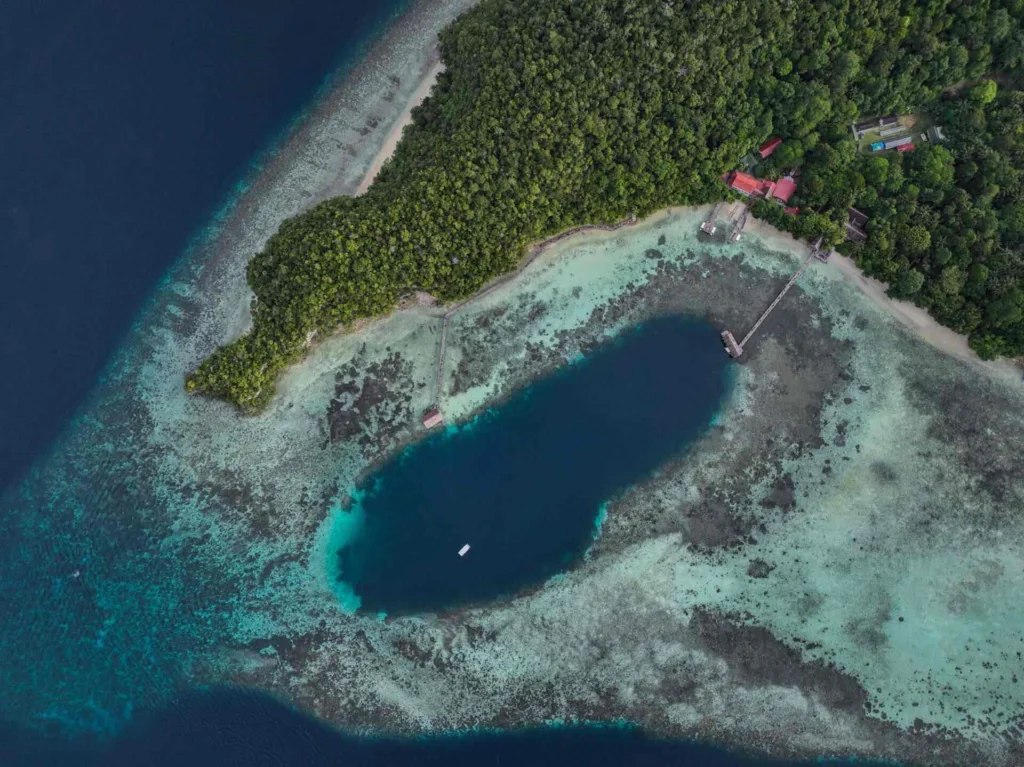
Raja Ampat is one of the world's most beautiful diving destinations. Located in eastern Indonesia, it is renowned for its vibrant coral reefs, abundant fish, manta rays, and crystal-clear blue waters. Many people think Raja Ampat is only for advanced divers, but beginners can also dive here and have an incredible experience.

That said, Raja Ampat is different from easy holiday dive spots. Some areas have strong currents, the location is remote, and marine life is carefully protected. As a result, preparation is crucial. Learning about the mistakes beginner divers often make in Raja Ampat helps new divers stay safe, protect the reefs, and feel more confident underwater.

The good news is that beginners can dive in Raja Ampat when they choose the right operator and take the time to prepare properly.

Papua Diving Resorts is one of the first and most trusted dive operators in Raja Ampat. The resort was founded by Max Ammer, who started diving in the area before anyone else and helped build a resort long before Raja Ampat became well-known. Max discovered nearly all of the dive sites in the region and was also behind creating the famous Piaynemo viewpoint. His efforts were key to making Raja Ampat a top destination for diving, marine life, and conservation. At Sorido Bay Resort and Kri Eco Resort, divers have access to some of the best dive sites, with experienced local guides and a focus on safety and sustainability. This expertise makes Papua Diving Resorts a great choice for beginner divers who want to explore Raja Ampat responsibly.

Below are the six most common beginner diving mistakes in Raja Ampat and how you can avoid them.

1. Choosing the Wrong Dive Operator and Not Communicating Experience Level

One of the biggest mistakes beginners make is choosing a dive operator without checking their experience or safety standards. In Raja Ampat, local knowledge is extremely important. Poorly run operators may not plan dives carefully or may take beginners to sites that are too challenging.

Beginner divers should always choose operators with certified guides, small group sizes, and strong safety systems. Just as important is being honest about your diving experience. Tell the dive team how many dives you have, when your last dive was, and what you feel comfortable doing.

Papua Diving Resorts and its founder, Max Ammer, a pioneer in Raja Ampat, has explored and documented over 90 percent of Raja Ampat’s dive sites. This deep local knowledge allows guides to choose the right sites for beginners and explain what to expect before every dive.

2. Underestimating Currents and Dive Planning in Raja Ampat

Many beginners worry about currents and think there is a bad season for diving in Raja Ampat. In reality, there is no wrong season to dive when staying at a land-based resort.

Currents in Raja Ampat are caused by tides and moon phases, not by the time of year. The region does have a windy season from June to September, which can make boat rides rougher, but it does not change underwater currents.

With proper planning, diving in currents is safe and often very exciting. Currents bring food for marine life, which is why Raja Ampat has so many fish, sharks, and mantas. Professional dive teams plan dives around tide times and choose sites that match the experience level of the divers.

This means you can choose when to visit Raja Ampat based on things like manta season, comfort, or weather above water, not because you are worried about diving safety.

3. Skipping Skill Refreshers and Core Diving Skills

Another common beginner mistake is arriving in Raja Ampat without refreshing basic diving skills. Many beginners struggle with buoyancy, air control, and communication underwater, especially if they have not dived recently.

Good buoyancy helps you stay relaxed, avoid damaging coral, and save air. Calm breathing and clear hand signals also make dives safer and more enjoyable.

Refreshing these skills with experienced instructors before or during your stay makes a big difference. At Papua Diving Resorts, a PADI 5 Star Dive Center, we provide a full range of courses from the Open Water Diver course to the Advanced Open Water Diver Course, along with specialty courses like Deep Diver and Enriched Air Diver. Our instructors and guides observe divers closely and provide helpful tips so beginners feel comfortable and confident in Raja Ampat’s conditions.

4. Poor Buoyancy, Reef Awareness, and Photography Readiness

Raja Ampat’s reefs are healthy and fragile at the same time. Poor buoyancy can easily damage coral and disturb marine life. Beginners sometimes focus too much on swimming or staying close to the reef and forget to control their position in the water. This becomes an even bigger issue when beginners want to try underwater photography. Using a camera before mastering buoyancy often leads to accidental contact with coral. The most important rule is simple. Buoyancy comes first. Photography comes later.

Papua Diving Resorts follows strict reef protection rules and teaches divers how to dive responsibly. Beginners who are interested in photography can develop their skills with guidance from the Raja Ampat SEACAM Center and yearly Underwater Photography Workshops, which focus on learning photography while respecting the reef.

5. Using Poorly Fitting or Incomplete Gear

Poorly fitting gear can turn a great dive into a stressful one. Common beginner gear problems include leaking masks, fins that cause cramps, missing dive computers, or exposure suits that are too thin.

Comfortable and reliable equipment helps beginners relax and enjoy the dive. In Raja Ampat, water temperatures are warm, but multiple dives per day can still make you feel cold if your exposure protection is not right.

Papua Diving Resorts provides well-maintained dive equipment and professional advice on proper fit. This helps beginners feel safe and comfortable from the first dive to the last.

6. Overloading the Dive Schedule, Skipping Insurance, and Rest

Raja Ampat is so beautiful that many beginners want to dive as much as possible. Doing too many dives without enough rest can lead to tiredness, dehydration, and poor focus underwater.

Rest days, drinking enough water, and allowing your body time to recover are very important. Diving at a relaxed pace makes the experience safer and more enjoyable.

Because Raja Ampat is remote, dive insurance is also important. We require all our guests to have dive insurance while staying with us. It covers medical treatment and evacuation if necessary, giving you peace of mind. If you don't have insurance, we can help you get one from DAN right on-site.

Professional Diving Support in Raja Ampat

aerial view of sorido bay resort in Raja Ampat, Indonesia by papua Diving Resorts

Papua Diving Resorts helps beginner divers avoid common mistakes through courses, professional dive planning, experienced guides, and strong safety standards.

Sorido Bay Resort and Kri Eco Resort are located close to the top dive sites, which means less travel time and more relaxed diving days. Their dive teams understand how to support beginners and help them gain confidence step by step.

For divers interested in learning underwater photography, the Raja Ampat SEACAM Center and Workshops offer structured learning in a safe and supportive environment.

Frequently Asked Questions

Can beginners dive in Raja Ampat?

Yes, beginners can dive in Raja Ampat. You do not need to be an expert diver, but you do need the right support. Raja Ampat sometimes has strong currents, so it is important to dive with an experienced dive operator who knows the area well.

Good dive teams choose easy dive sites for beginners, plan dives at the right time, and guide you closely underwater. If you are honest about your experience and follow instructions, Raja Ampat can be a safe and amazing place to dive, even if you are new.

Do I need a minimum number of dives for Raja Ampat?

There is no official minimum number of dives required. What matters more is how comfortable you feel underwater and how recently you have been diving.

If you are newly certified or have not dived in a long time, doing a refresher dive is a good idea. Skills like buoyancy, breathing calmly, and following hand signals are more important than having a high number of logged dives. A good dive operator will help you ease back into diving and choose sites that match your comfort level.

Is Raja Ampat good for beginner divers?

Yes, Raja Ampat can be very good for beginner divers when dives are planned properly. Not every dive site is difficult. Many calm and beautiful reefs are perfect for beginners.

The water is warm, visibility is often very good, and marine life is everywhere. When experienced guides select the right dive sites and control the pace of the dives, beginners can relax, learn, and enjoy the experience without feeling overwhelmed.

What are the most common beginner diving mistakes in Raja Ampat?

The most common mistakes beginners make in Raja Ampat include choosing the wrong dive operator, not speaking up about their experience level, and underestimating the currents. Other common mistakes are poor buoyancy control, using uncomfortable or badly fitting gear, and trying to do too many dives without enough rest.

These mistakes are easy to avoid. Dive with a professional operator, be honest about your skills, take your time, rest between dives, and focus on enjoying the experience. With the right preparation, Raja Ampat can be one of the best diving trips of your life.

Dive Raja Ampat with Confidence as a Beginner

Raja Ampat can be an unforgettable diving destination for beginners when common mistakes are avoided. Good preparation, choosing the right operator, respecting marine life, and knowing your limits make all the difference.

By diving with professionals like Papua Diving Resorts, beginners receive the guidance, structure, and support they need to feel safe and confident. With well-planned dives, expert local knowledge, and a welcoming environment, beginner divers can explore Raja Ampat’s underwater world with confidence and excitement.