Few voices have shaped our understanding of the natural world quite like David Attenborough. For decades, his storytelling has brought the ocean’s hidden rhythms into focus, revealing both its fragility and its extraordinary resilience.

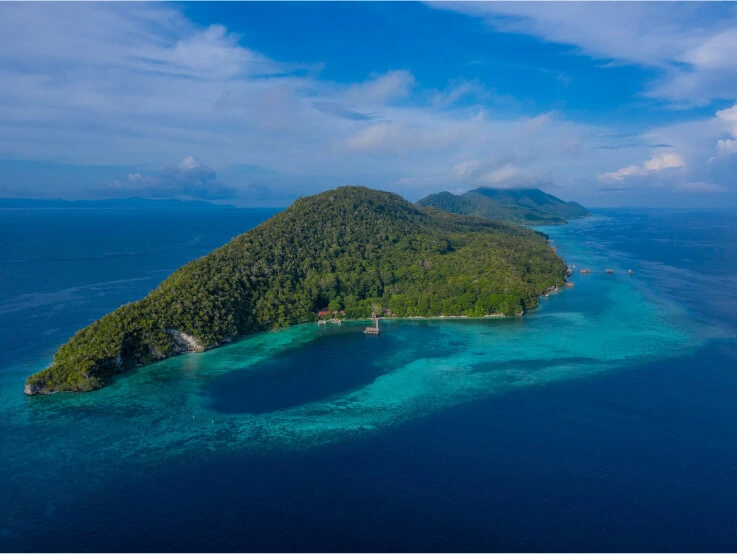
In Ocean with David Attenborough, that legacy continues. The documentary takes viewers beneath the surface of some of the most important marine ecosystems on Earth. Among them is Raja Ampat, a region widely regarded as the epicenter of marine biodiversity.

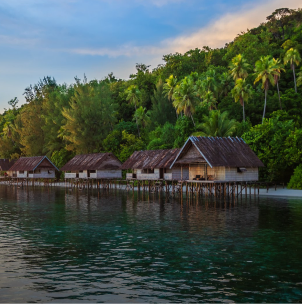
What makes this story even more meaningful for us is simple. Part of this ocean documentary filmed in Raja Ampat was supported from our shores. The production team stayed with Papua Diving Resorts, using our resorts as their base while capturing the reefs that have become a global symbol of marine resilience.

At its heart, this story connects filmmaking with something larger: the visible results of long-term conservation, local collaboration, and responsible tourism in Raja Ampat.

When Ocean Came to Raja Ampat

Ocean with David Attenborough continues a tradition of storytelling that blends science, emotion, and urgency. Produced by Silverback Films and available to global audiences on Disney Plus, the documentary explores both the fragility and resilience of our oceans.

When the team came to Raja Ampat, they arrived in a part of the world that rarely needs exaggeration. These reefs speak for themselves. The density of life, the colour, the movement, the feeling of entering a system that is still functioning as it should. Even for people used to working in remarkable places, Raja Ampat leaves its mark.

For their time in Raja Ampat, the production crew stayed with Papua Diving Resorts. That matters for a practical reason, of course, but also for a deeper one. 

Filming in these waters depends on local knowledge in its truest sense. Not a list of dive sites, but an understanding built over years of observing how the reef responds to light, current and tidal conditions. Reaching the right place is only part of it. Arriving at the right moment matters more.

For photographers and filmmakers, this timing is essential. Fish activity often comes alive with moving water, but too much current can make it difficult to hold position or capture anything with clarity. Knowing when conditions will align, when the reef is active but still manageable, is what allows those moments to be captured at all.

A Trusted Base for World-Class Documentary Crews

That kind of knowledge is why so many documentary teams have chosen to stay with us over the years, including crews from the BBC Earth series such as Blue Planet and Planet Earth, plus Earth Sounds, Tiny World and many more.

After more than 30 years of diving these waters, our team knows how to help filmmakers work safely, efficiently, and with respect for the reef itself. We know where to look for certain species, how to read conditions before they shift, and how to support the search for behaviour that is rare, precise, and impossible to force. Sometimes that means guiding a crew to a reef alive with fish and colour. Sometimes it means helping them wait for a smaller, stranger moment, like the split-second accuracy of an archerfish hunting.

That trust has been built over time. In a place as remote as Raja Ampat, crews need more than comfort at the end of the day. They need people around them who understand the sea in a way that makes difficult work feel possible. That has always been part of our role here.

Raja Ampat as a Coral Reef Success Story

Raja Ampat lies within the Coral Triangle, a region recognized as the global center of marine biodiversity. Its coral reefs support an astonishing variety of marine life, making it one of the richest underwater ecosystems on Earth.

In contrast to many parts of the world experiencing coral decline, Raja Ampat offers a more hopeful narrative. Many reef systems here show strong resilience, maintaining their health despite global environmental pressures.

This success is closely tied to conservation initiatives such as marine protected areas and no-take zones, which help regulate fishing and protect fragile habitats. These measures allow marine ecosystems to recover and thrive over time.

Equally important is the collaboration with local communities. Conservation efforts in Raja Ampat are built on partnerships that combine traditional knowledge with scientific research. This approach ensures that marine protection is both effective and sustainable.

Pioneering Sustainable Diving in Raja Ampat

Papua Diving Resorts has been part of Raja Ampat for a long time. We were among the early operators here, long before the region became as widely known as it is today, and from the beginning, we understood that tourism in a place like this had to be handled with care.

That belief shaped the way we built everything that followed. Responsible diving, long-term thinking, and respect for the reefs have never been side notes to the business. They are the basis of it. We have always believed that if people are invited into an environment this rich, they should encounter it in a way that helps protect it rather than wear it down.

Guest education has always been part of that approach. The more people understand what they are seeing, the more meaningful their experience becomes, and the more likely they are to value what makes Raja Ampat so rare. Through the Raja Ampat SEACAM Center and SEACAM workshops, guests can as well develop their underwater photography skills while learning to spend more focused time observing the reef and the life around it.

That same philosophy runs through both Sorido Bay Resort and Kri Eco Resort. They offer different experiences, but they are rooted in the same idea: that staying in Raja Ampat should bring people closer to the reefs while also supporting the long-term protection of the area.

Sustainable diving in Raja Ampat is now widely discussed, as it should be. For us, it has never been a trend or a label. It has simply been the only way this place made sense.

Experience the Reefs Featured in the Ocean Documentary

One of the natural questions people ask after watching Ocean with David Attenborough is whether they can visit the same marine region themselves.

Yes, they can.

Raja Ampat is not only a place to watch on a screen. It is somewhere people can enter, carefully and respectfully, and experience firsthand. 

There is something very different about seeing that with your own eyes. A documentary can reveal the scale and beauty of a place, but being in the water changes your relationship with it. It becomes immediate. You begin to understand not only why Raja Ampat appears in documentaries like this, but why protecting it matters so much.

Staying at Sorido Bay Resort or Kri Eco Resort means experiencing that region through a model of tourism shaped by conservation from the start. 

Every visit supports a way of working that values reef health, local partnerships, and the long future of this place. 

The Raja Ampat SEACAM Center and underwater photography workshops further enhance the experience, offering opportunities to develop underwater photography skills and deepen understanding of the marine ecosystem.

Book your stay today and experience the same extraordinary reefs that inspired one of the world’s most powerful ocean documentaries.

Frequently Asked Questions About the Ocean Documentary Filmed in Raja Ampat

Where was Ocean with David Attenborough filmed?

The documentary was filmed in multiple locations around the world, including Raja Ampat in Indonesia.

Why was Raja Ampat chosen for the film Ocean with David Attenborough?

Raja Ampat was included because it is one of the most biodiverse marine regions on Earth, with reef systems that show remarkable resilience and health.

Who produced Ocean with David Attenborough?

The film was produced by Silverback Films, known for its work in natural history storytelling.

Where can you watch Ocean with David Attenborough?

The documentary is available to stream on Disney+.

Why is Raja Ampat important for coral reefs?

Raja Ampat is located in the Coral Triangle and is home to some of the most biodiverse and resilient coral reef systems on Earth, supported by strong conservation efforts.

Can visitors dive in the same region featured in the documentary?

Yes, visitors can explore the same dive sites and marine environments featured in the film, especially when staying with experienced operators like Papua Diving Resorts.