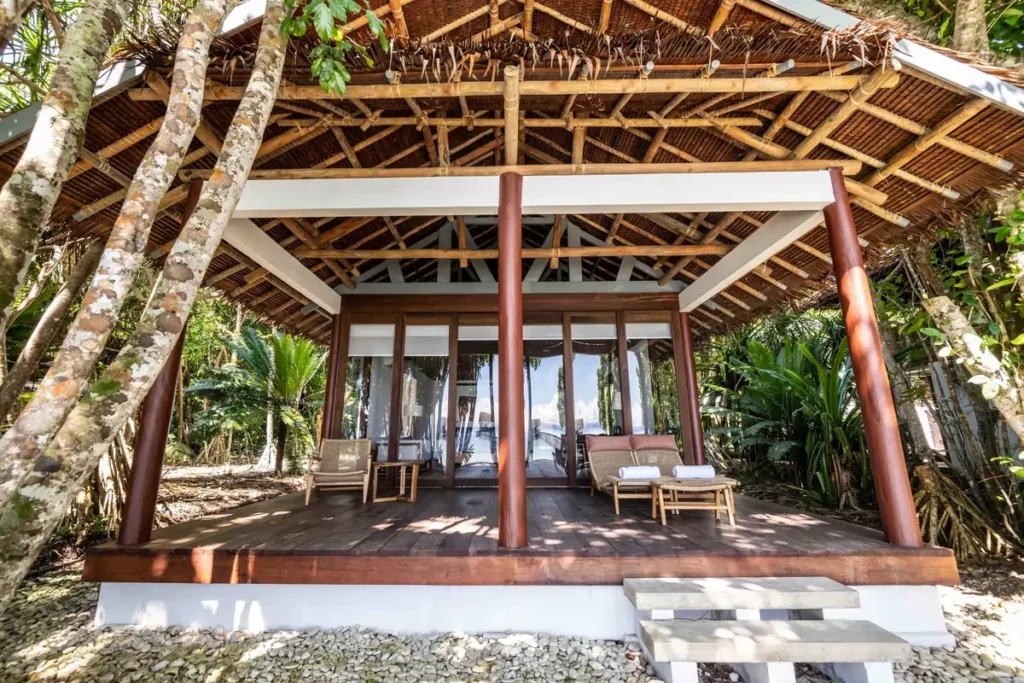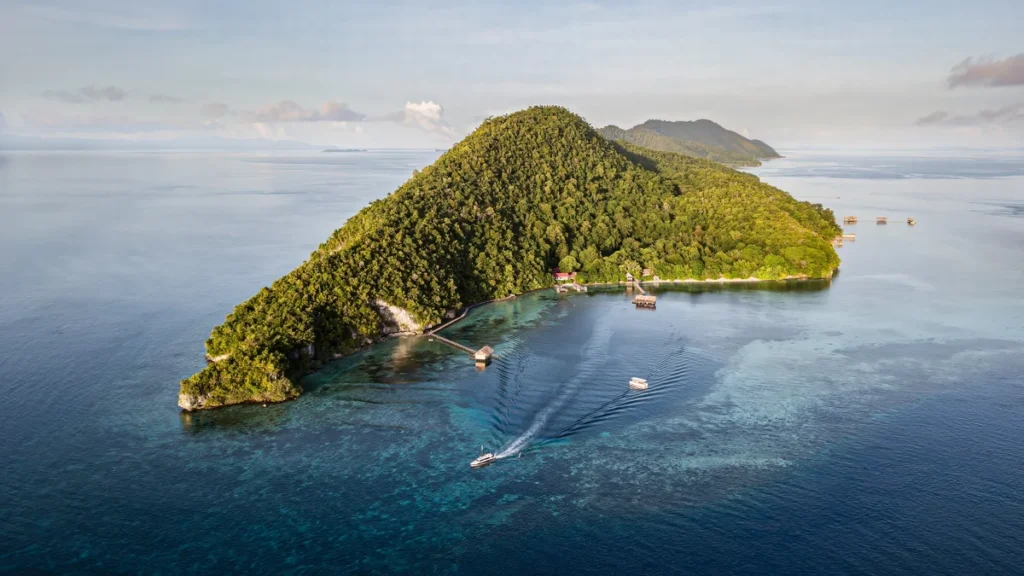
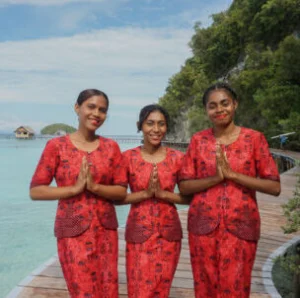
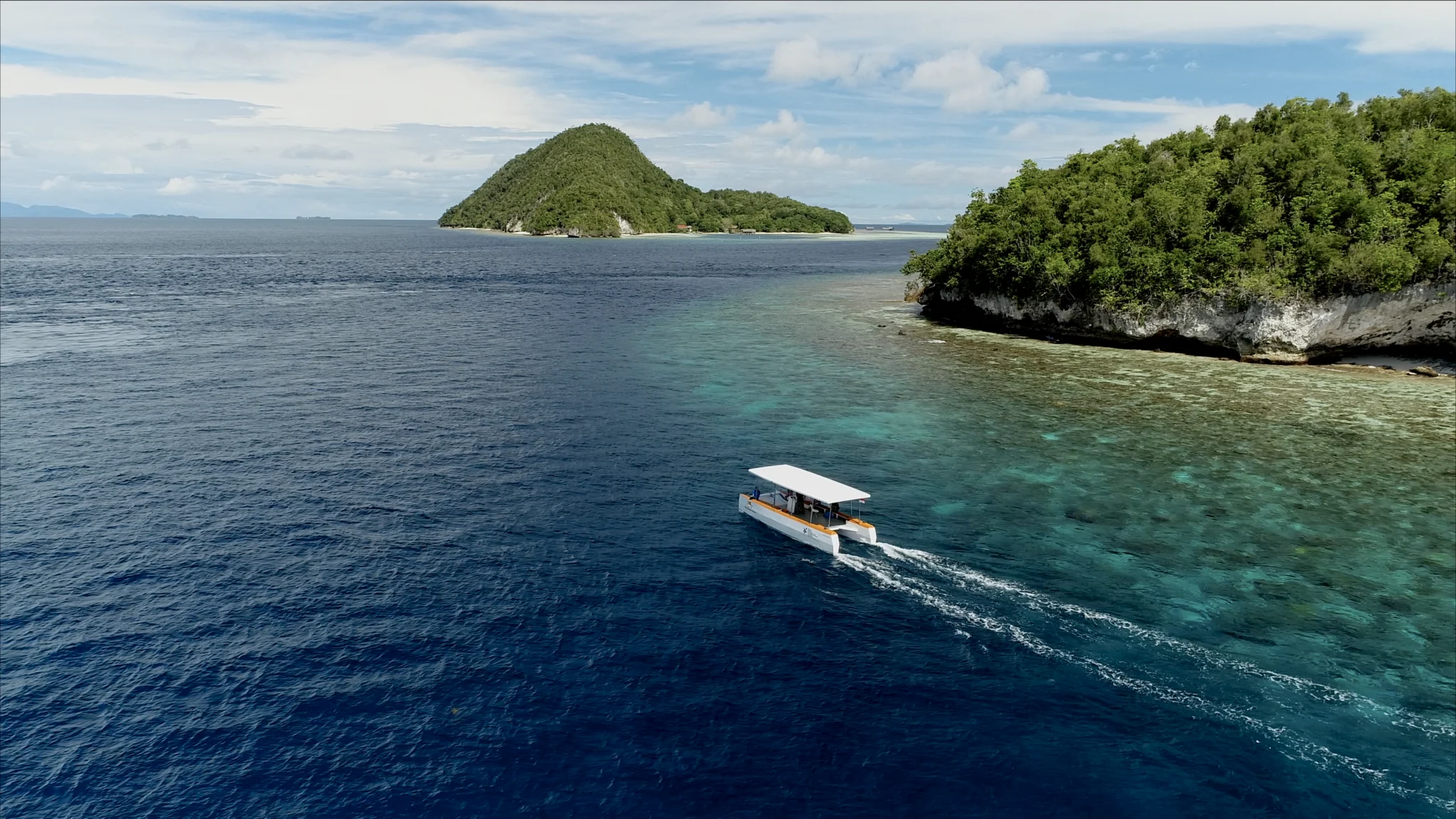
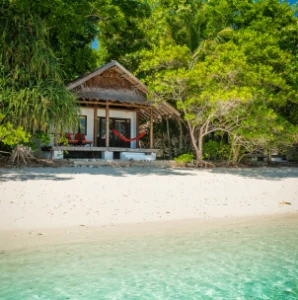
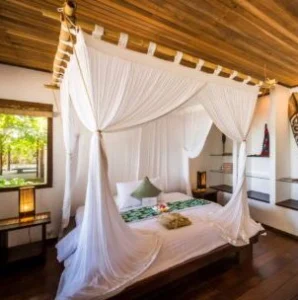
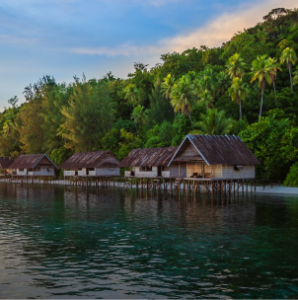
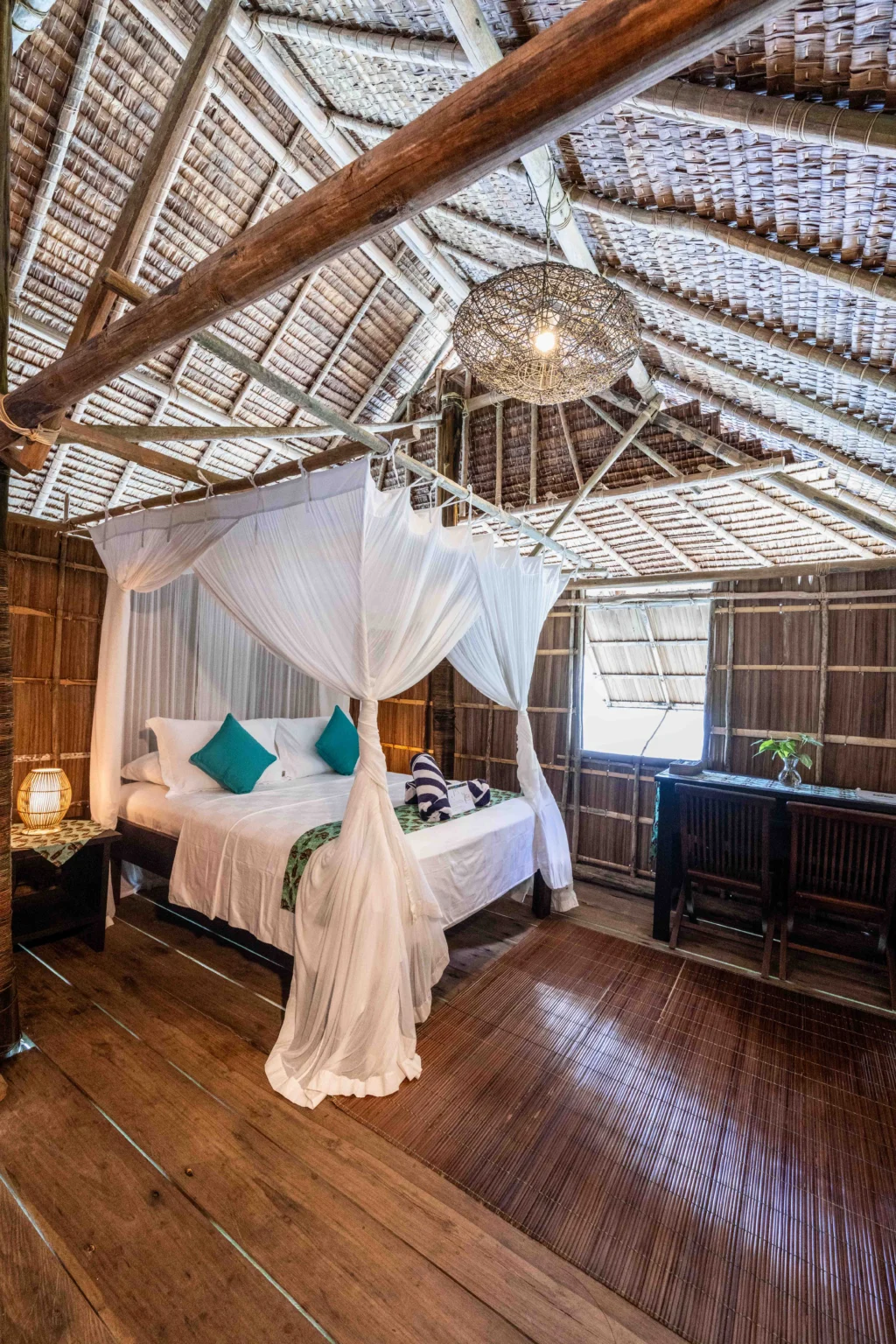
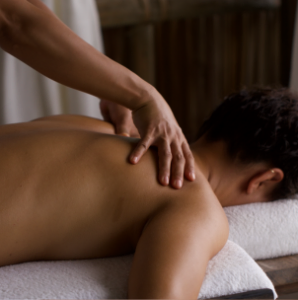


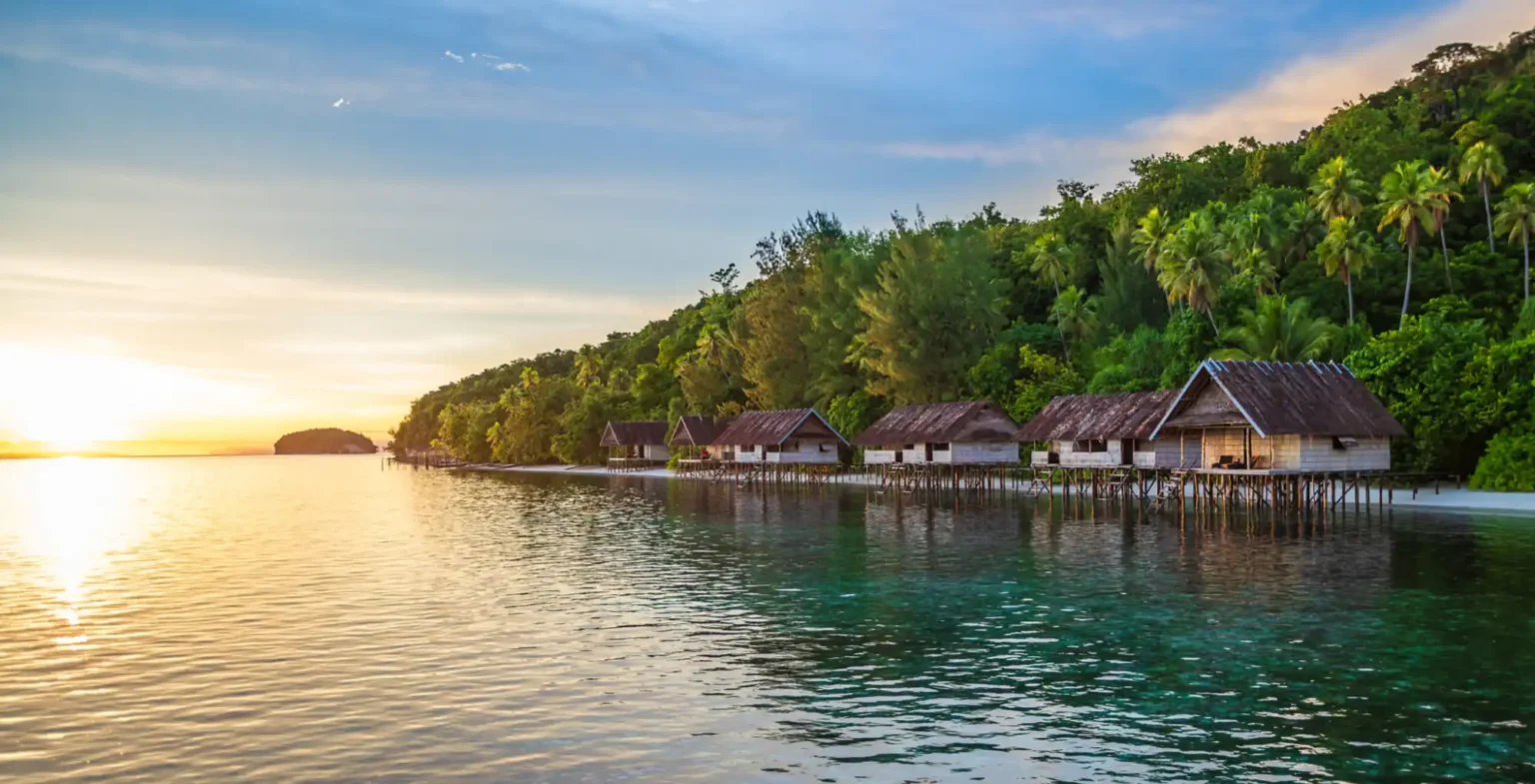
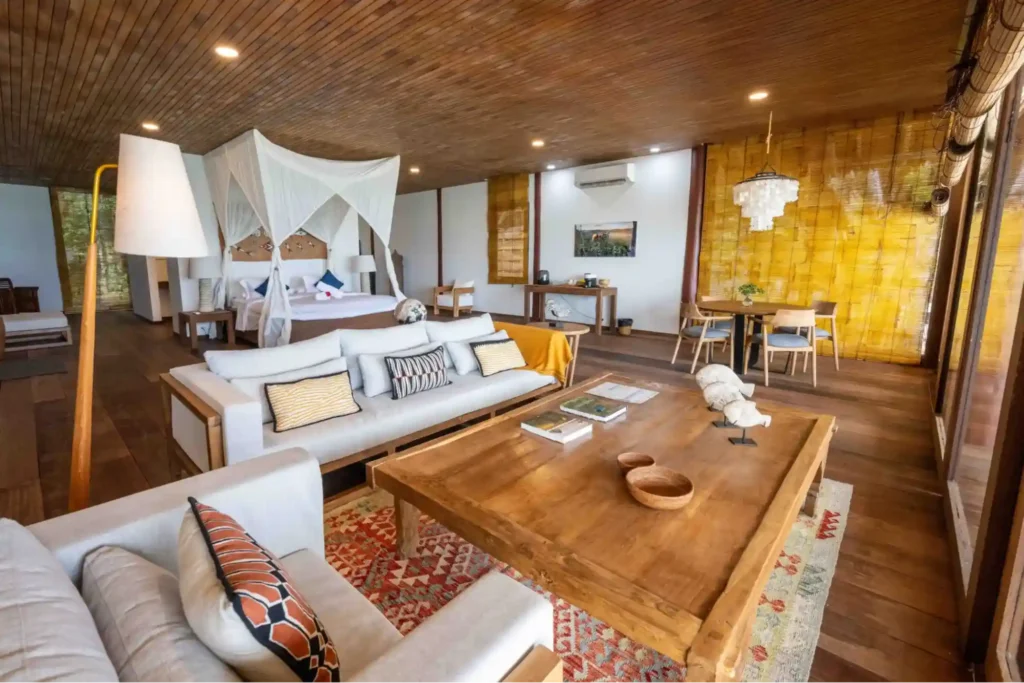
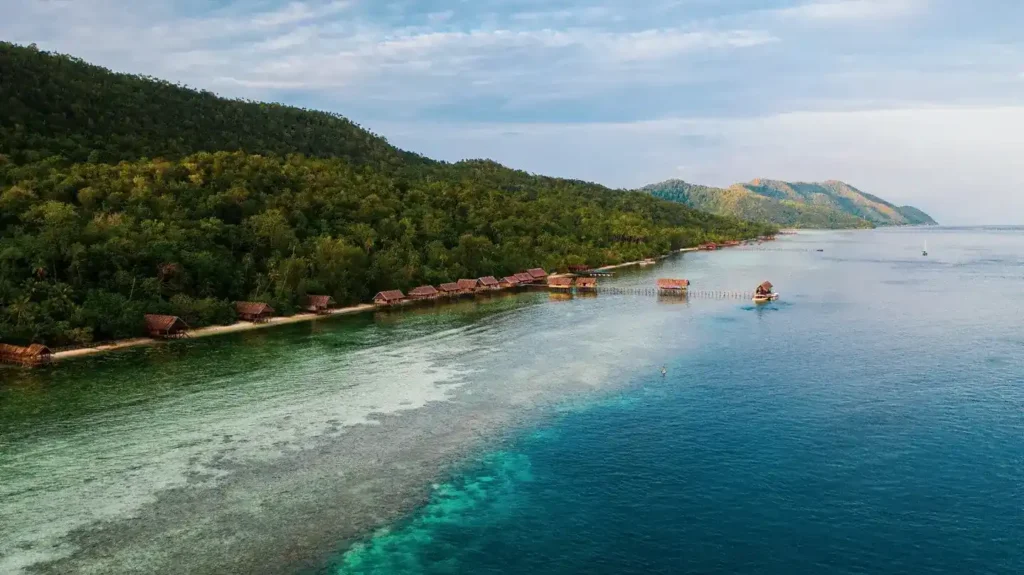
Two properties make up the resort: Sorido Bay Resort and Kri Eco Resort both sit along quiet stretches of coastline surrounded by tropical forest and vibrant coral, with wooden jetties extending into crystal-clear water where schools of fish drift beneath the surface. Spacious bungalows face the sea, built with natural materials that keep the experience closely connected to the surrounding environment, while private decks and reliable Wi-Fi ensure comfort after a full day in the water.
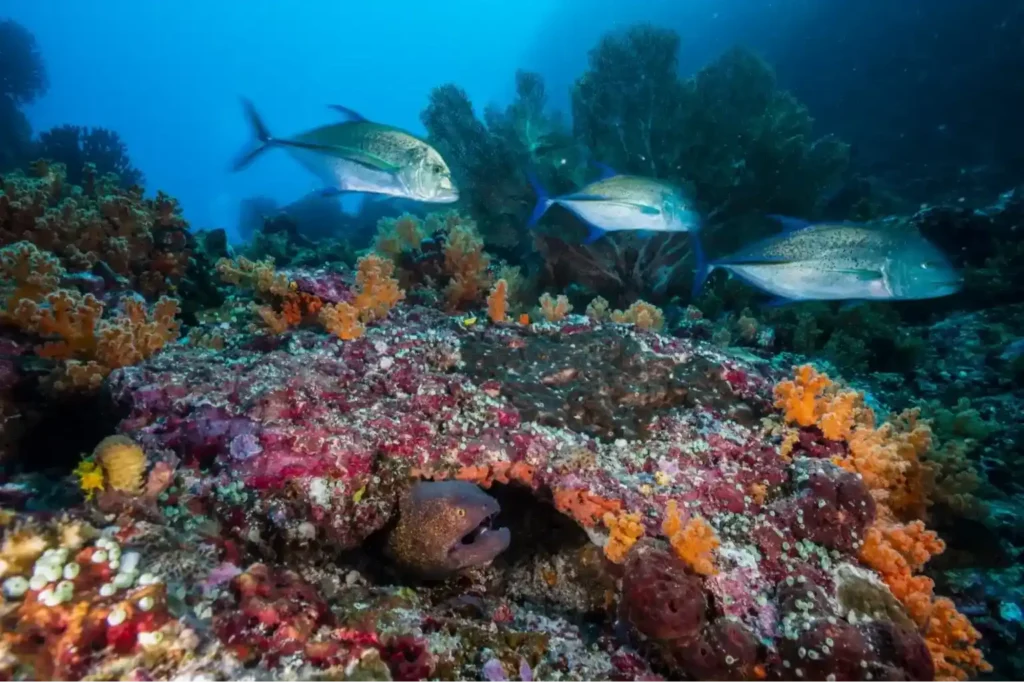
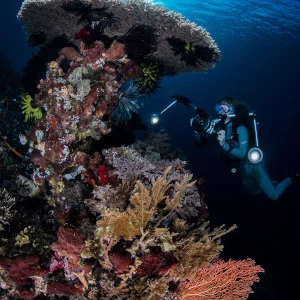
The real magic of this dive resort in Raja Ampat begins beneath the surface. Papua Diving Resorts is positioned close to some of the most iconic Raja Ampat dive sites in the region, making it easy to explore extraordinary underwater landscapes every day.
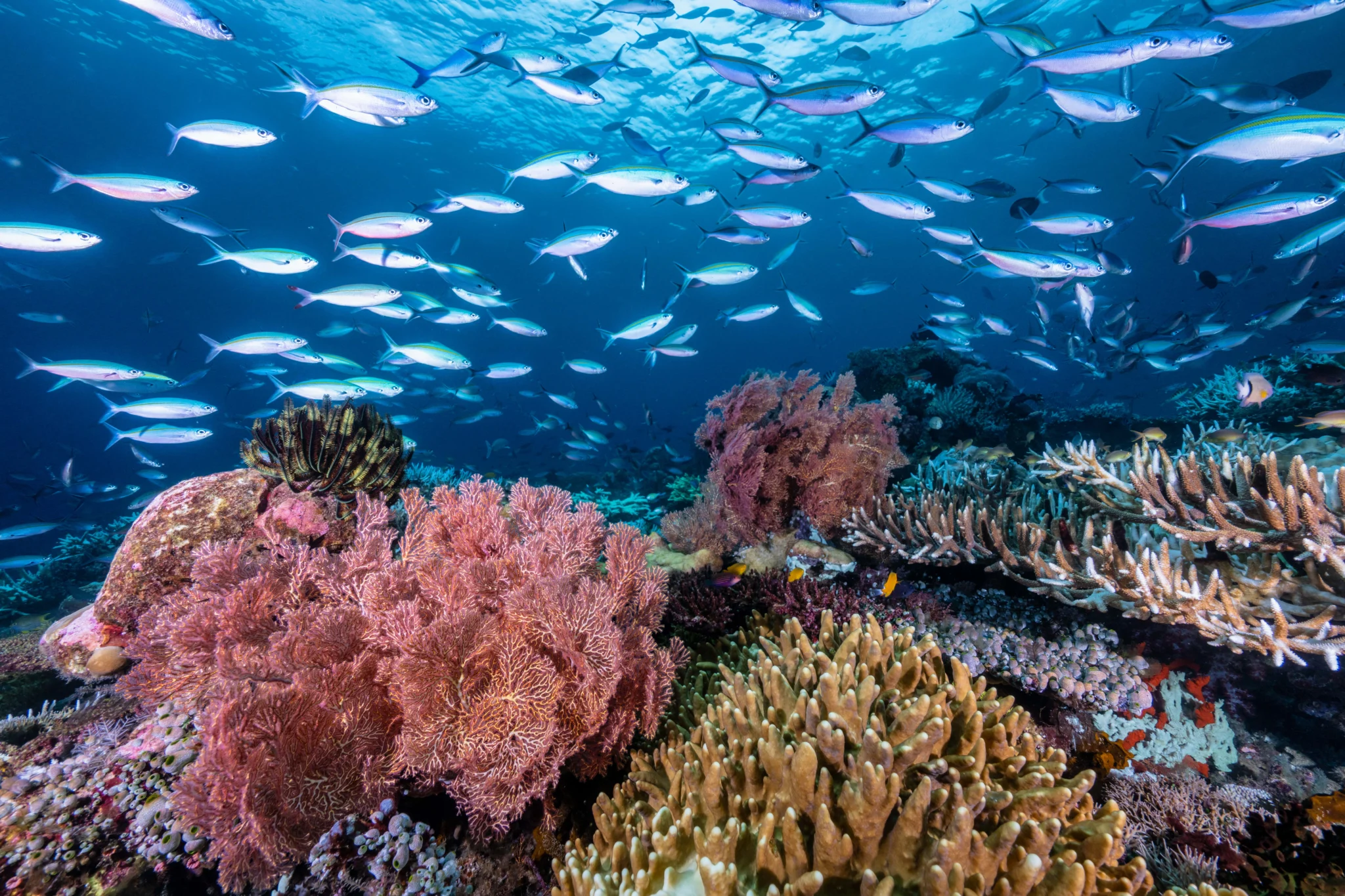
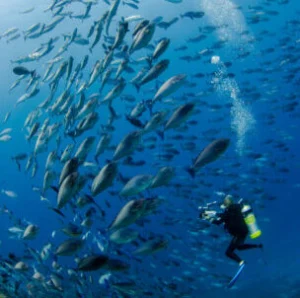
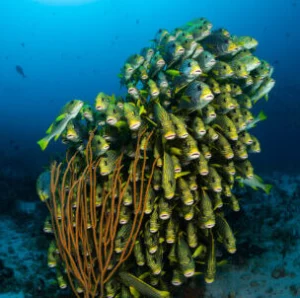
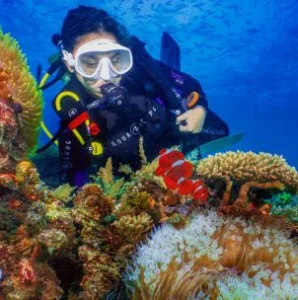
Cape Kri draws divers with its reef slopes alive with fusiliers, jacks, and barracuda. Sardine Reef delivers dense clouds of fish moving in unison across vibrant coral formations. Blue Magic attracts manta rays and pelagic species, while Melissa's Garden reveals intricate coral gardens that feel almost sculpted by nature.
Dive groups remain small to keep the experience personal and rewarding. Local guides know these reefs intimately and select sites carefully according to conditions and diver experience, helping guests discover hidden details within the reef while maintaining the highest safety standards.
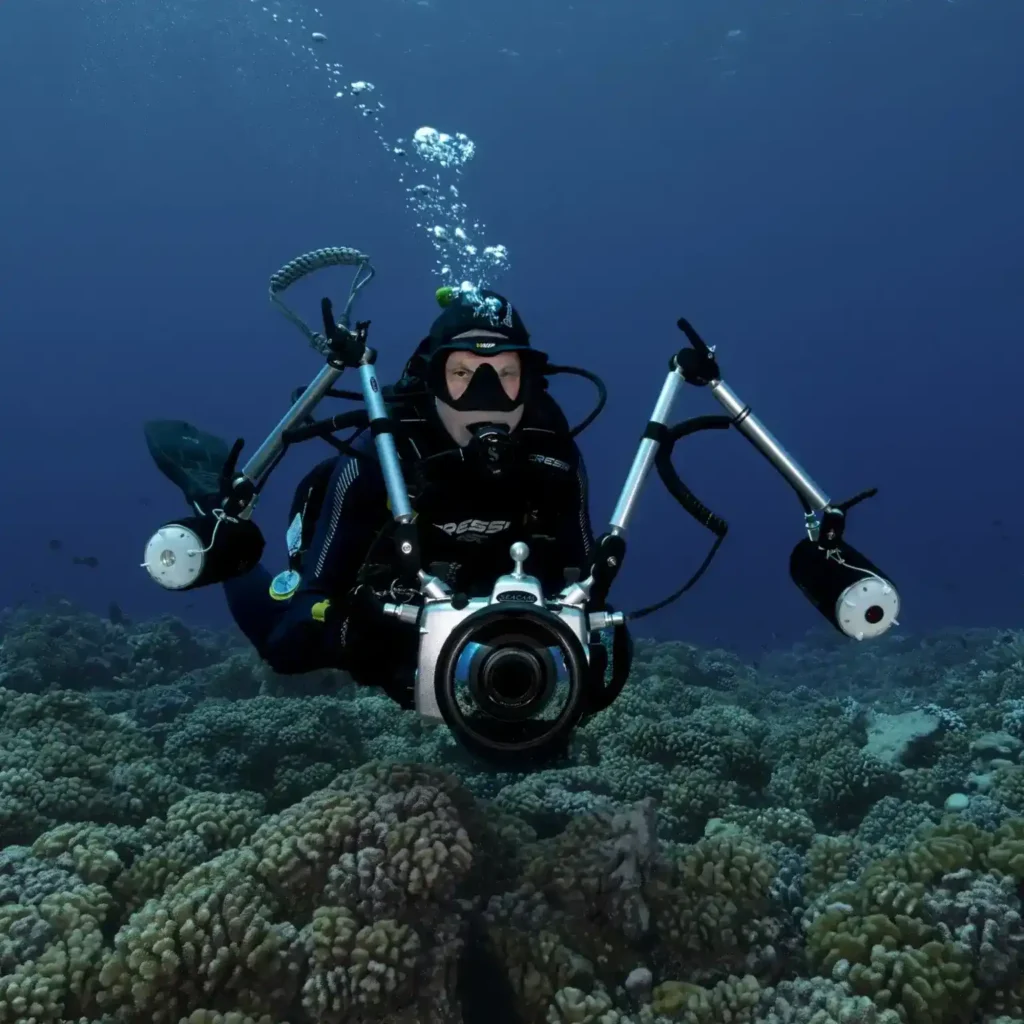
Raja Ampat is also one of the most inspiring places on the planet for underwater photography. The reefs are alive with color, movement, and rare species that photographers travel great distances to document.
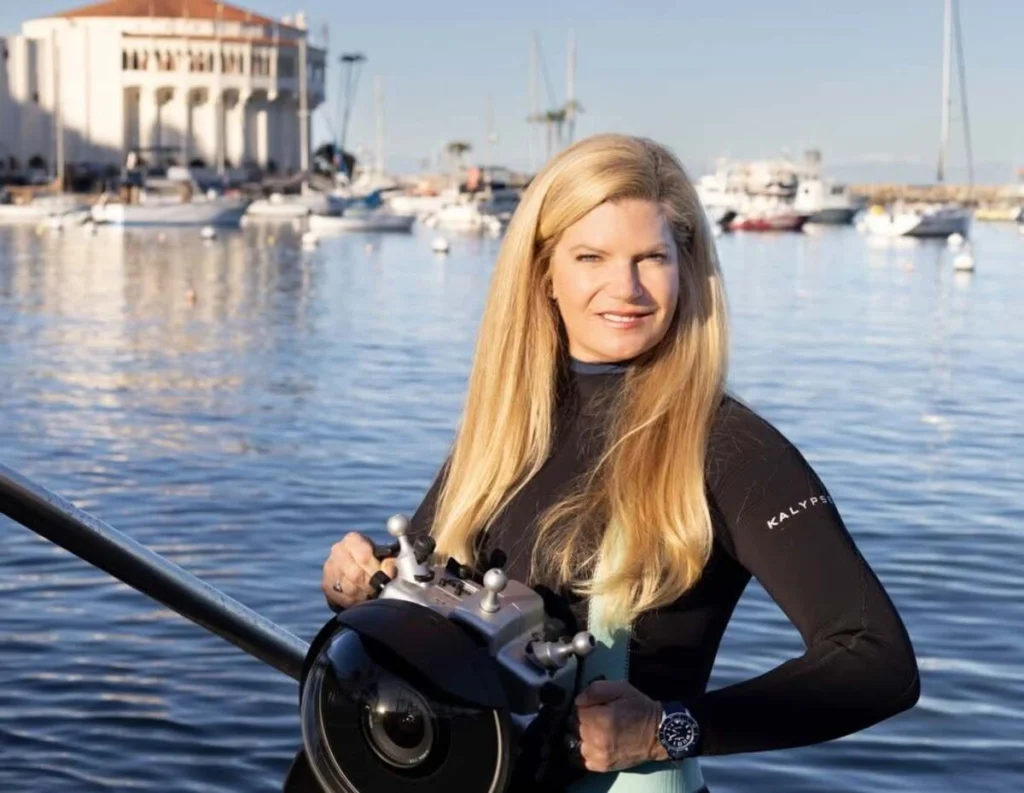
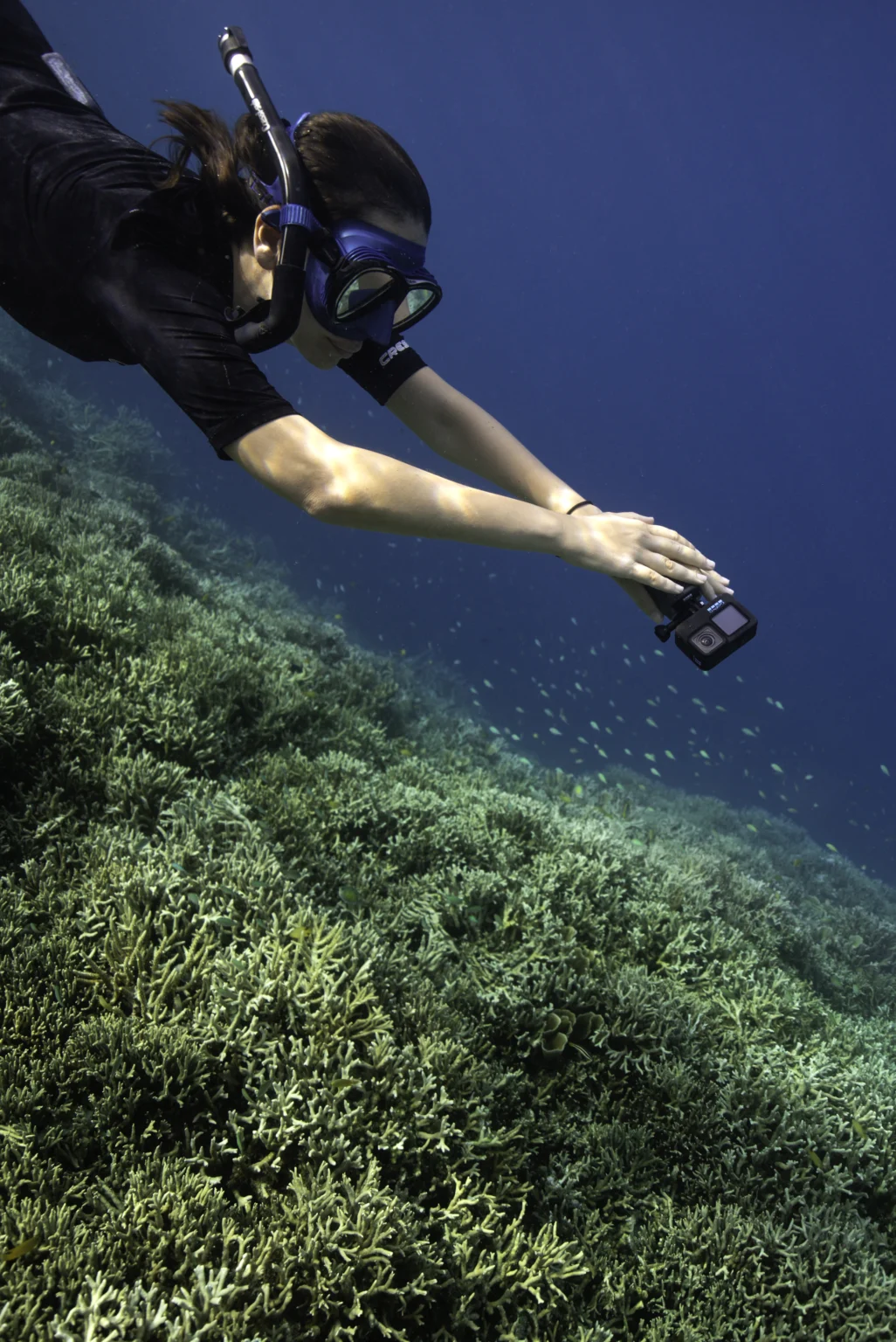
Sorido Bay Resort hosts the Raja Ampat SEACAM Center, a dedicated hub for underwater imaging. Guests have access to professional photography equipment and expert guidance to help capture the extraordinary life beneath the waves. For those new to underwater photography, entry level cameras such as the Olympus TG-7 and GoPro are also available for rent, making it easy to begin documenting your diving experience.
Each year, SEACAM workshops offer an opportunity for guests to refine their skills with expert support. During these events, photographers receive hands-on instruction, learn advanced techniques, and experiment with professional camera systems while diving in one of the most photogenic marine environments in the world.
Workshops are complemented by presentations and informal mentoring sessions that allow guests to learn from experienced professionals. The result is a creative and collaborative atmosphere where divers can grow their photography skills while exploring Raja Ampat’s reefs.
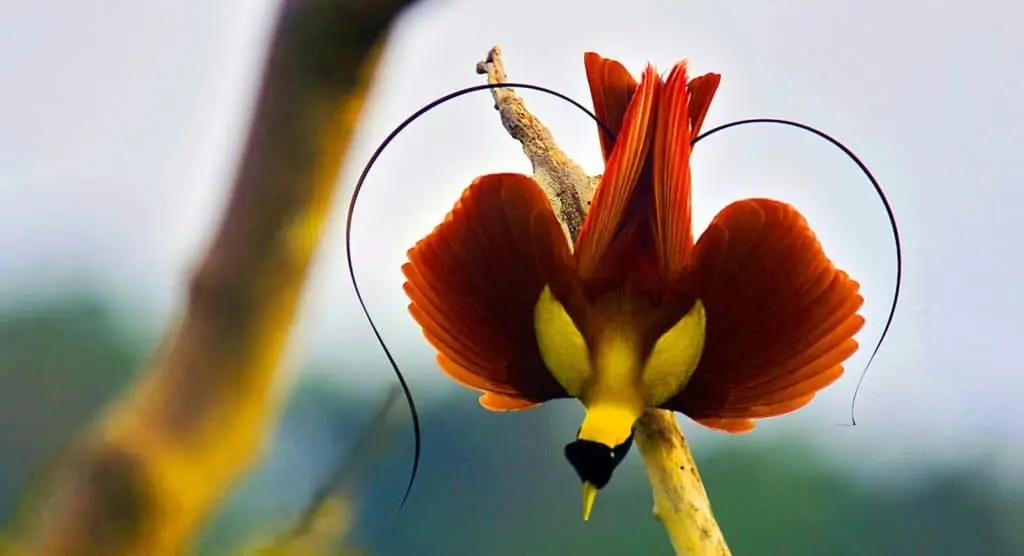
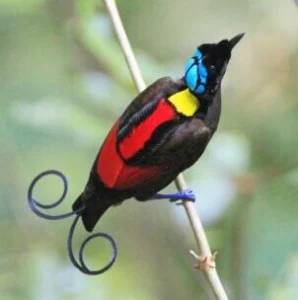
Raja Ampat islands reward those who look beyond the water with many activities and excursions. Early morning birdwatching trips take guests into the forest in search of the famous Red Bird of Paradise. Cultural visits to nearby villages during dive surface intervals offer insight into local traditions and the deep relationship between coastal communities and the sea.
Guests can also explore the surrounding waters by kayak, paddleboard, or snorkeling, gliding quietly along the coastline as tropical fish swim beneath the surface. Short boat trips to nearby islands reveal hidden beaches and panoramic viewpoints overlooking Raja Ampat's iconic limestone formations.
What truly sets Papua Diving Resorts apart from other Raja Ampat resorts is its long-standing commitment to sustainable tourism and conservation. All the boats and many furniture pieces are built by the resort's own craftsmen on the island, reducing the environmental impact of transportation and supporting local skills.
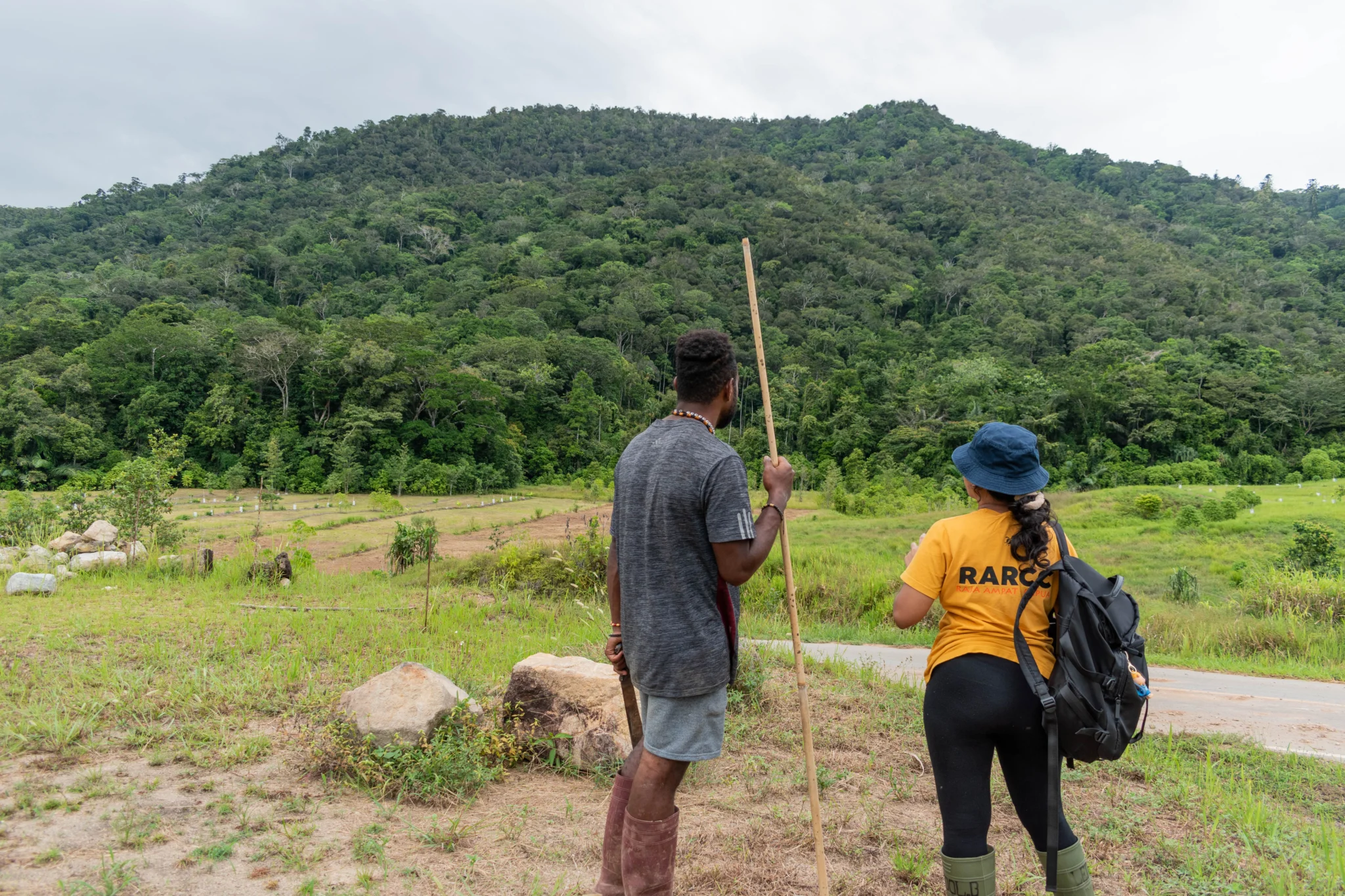
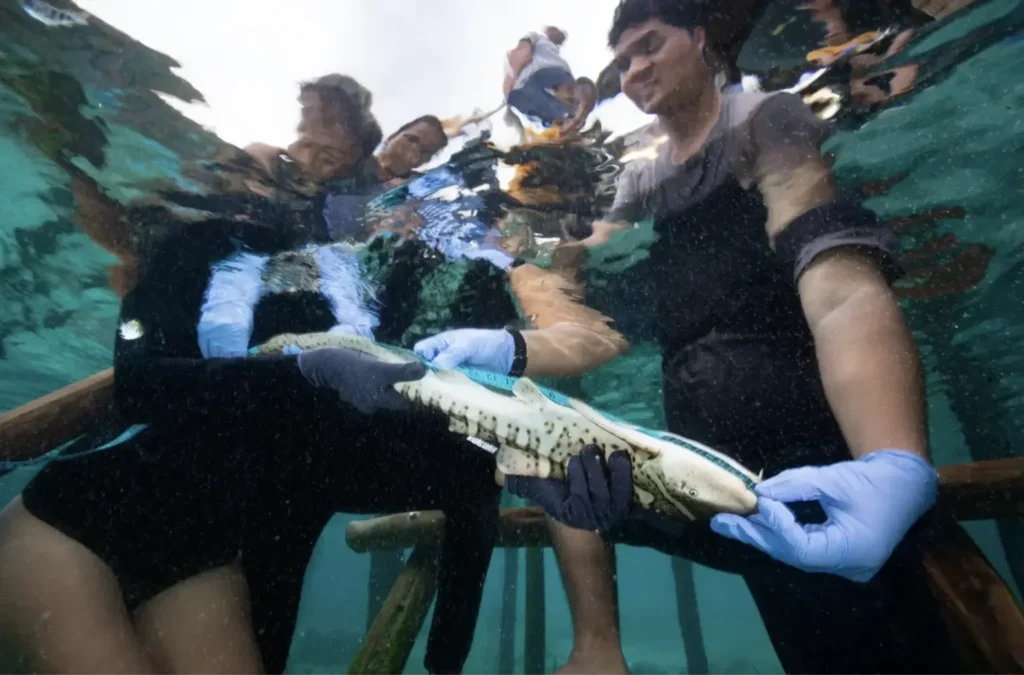
In collaboration with the Raja Ampat Research and Conservation Centre (RARCC), the resort runs a zebra shark hatchery that raises young sharks and releases them back into the wild, helping restore populations that have declined across the Indo-Pacific. The resort also prioritizes Papuan employment, offering local communities sustainable alternatives to destructive fishing practices.
Staying at Papua Diving Resorts means becoming part of that effort. Every visit directly supports the protection of one of the planet's most extraordinary marine environments.
A journey to Raja Ampat is not simply a diving trip. It is an immersion into one of the most vibrant marine ecosystems on Earth. Whether you come for world-class Raja Ampat diving, rare wildlife encounters, or a sustainable island retreat, Papua Diving Resorts has been welcoming divers to these waters longer than anyone.
With expert local guides, thoughtfully designed oceanfront accommodation at Sorido Bay Resort and Kri Eco Resort, and a genuine commitment to conservation, this is the most experienced and trusted base for scuba diving in Raja Ampat.
Book your stay at Papua Diving Resorts and begin your Raja Ampat adventure today.