Raja Ampat is often described as one of the most beautiful diving destinations in the world. Located in the heart of Indonesia’s Coral Triangle, it is home to the highest marine biodiversity ever recorded.

Its reefs support more than 1,500 reef fish species and hundreds of coral species, making it one of the most important marine ecosystems on Earth. Today, Raja Ampat is also known as a global conservation success story.

Protected marine areas, shark sanctuaries, and sustainable tourism have helped preserve its reefs and marine life while creating opportunities for local communities. One organization that has played a major role in this journey is Papua Diving Resorts.

As one of the first dive operators in Raja Ampat, we have helped connect tourism, conservation, and scientific research for more than three decades.

The Early Days of Papua Diving Resorts in Raja Ampat

The story begins with Max Ammer, who first arrived in Raja Ampat in the 1980s. At the time, he was searching for World War II aircraft wrecks hidden throughout the region.

While searching for wartime wrecks around Raja Ampat, Max relied heavily on the help of local communities who understood the winds, currents, and stories of the sea. Their guidance and shared memories helped him safely navigate the waters and uncover wreck locations that may have otherwise remained hidden.

Through these experiences, Max fell in love not only with Raja Ampat’s rich marine life and untouched nature, but also with the kindness and connection he found among the local people. Recognizing how special Raja Ampat was, Max Ammer began building a tourism model that focused on both exploration and conservation.

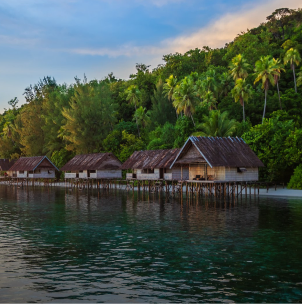
This vision eventually led to the creation of Papua Diving Resorts, including Sorido Bay Resort and Kri Eco Resort, which are among the best dive resorts in Raja Ampat. Unlike many tourism developments, these resorts were designed with sustainability in mind from the beginning.

Their goal was not only to welcome visitors but also to help protect the surrounding marine ecosystem and support local communities.

Working Together with Local Communities

Working Together with Local Communities

One of the biggest reasons conservation has been successful in Raja Ampat is the involvement of local communities. In the past, some communities depended on activities such as:

  • Shark finning
  • Bird hunting
  • Destructive fishing methods to earn a living

While these practices provided income, they also threatened local wildlife and marine habitats. We helped create alternative opportunities through tourism.

Instead of relying on activities that harmed the environment, local residents were able to build careers connected to conservation and hospitality. Former shark finners became dive guides.

Former bird hunters became bird-watching guides. Many community members received training in hospitality, boat building, woodworking, guiding, and other tourism-related skills.

These opportunities helped create more career pathways for the future, giving local people the chance to build new sources of income instead of relying only on the traditional work options that had long been available in the region. This approach helped show that protecting nature could also create long-term economic benefits.

As tourism grew, healthy reefs, thriving fish populations, and protected forests became valuable resources that supported local livelihoods. Today, Raja Ampat is often recognized as one of Indonesia’s best examples of sustainable tourism.
Bringing Raja Ampat to the World

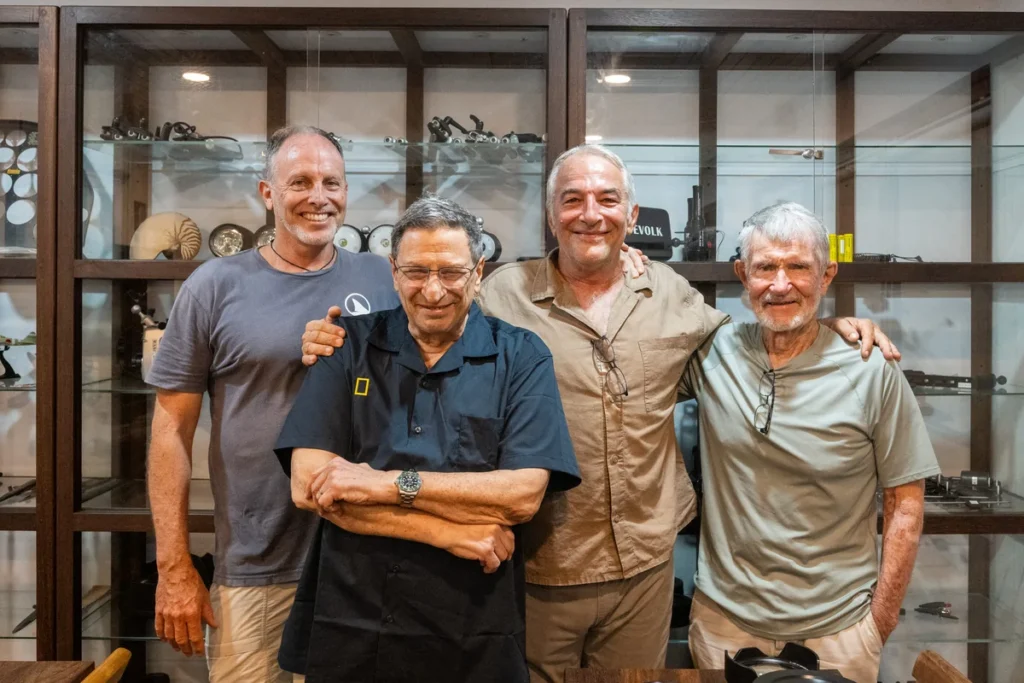
For many years, only a small number of divers knew about Raja Ampat. That changed when renowned underwater photographer David Doubilet visited the region.

His photographs and National Geographic articles introduced Raja Ampat’s incredible marine biodiversity to a global audience and helped bring international attention to this once lesser-known destination. To learn more about exploring Raja Ampat and its underwater world, contact us for more information.

Stunning images of coral reefs, schools of fish, and crystal-clear waters captured the attention of divers, researchers, and travelers around the world. David Doubilet and Jennifer Hayes became longtime friends of Max Ammer and continue to visit Raja Ampat regularly.

As interest in the region grew, Papua Diving Resorts became a trusted partner for documentary filmmakers, scientists, photographers, and production crews. Our local knowledge helped visiting teams locate rare species, understand seasonal wildlife behavior, and find the best filming conditions.

Over the years, Papua Diving Resorts has hosted numerous international productions, including OCEAN with David Attenborough. These projects have helped showcase Raja Ampat’s beauty while raising awareness about the importance of marine conservation.
Discovering the Rich Marine Life of Raja Ampat

Discovering the Rich Marine Life of Raja Ampat

We have also contributed to some of the most important scientific discoveries in Raja Ampat. We helped bring marine scientists Gerald R. Allen and Mark Erdmann to the region.

Their research helped confirm that Raja Ampat is the global center of coral reef biodiversity. These findings were documented in the Marine Rapid Assessment of Raja Ampat, which highlighted the region’s extraordinary marine ecosystem and helped establish its global reputation as one of the most biodiverse marine areas on Earth.

One of the most famous discoveries took place at Cape Kri, the house reef near Kri Eco Resort. During a single dive, Gerald R. Allen recorded 374 fish species, setting a world record that helped put Raja Ampat on the map for marine researchers.

Scientists have also discovered numerous new endemic species in Raja Ampat, including the famous walking shark, which uses its fins to move across the seafloor. Today, Papua Diving Resorts continue to support researchers through the Raja Ampat Research and Conservation Center (RARCC), helping scientists study and better understand the region’s marine ecosystems.
Raja Ampat Becomes a Conservation Success Story

The impact of conservation efforts in Raja Ampat can now be seen throughout the region. When Max first came to Raja Ampat, seeing sharks on the reefs was rare.

Today, sharks are spotted almost every day around our resorts, including juvenile sharks at the house reef and along the sandy beaches in front of the bungalows. This is an encouraging sign that shark populations are recovering and that the waters have become healthy and safe enough for young sharks to return to the shallow reefs.

Raja Ampat is now part of an extensive Marine Protected Area network and is recognized as Southeast Asia’s first shark and ray sanctuary. Research has shown encouraging results.

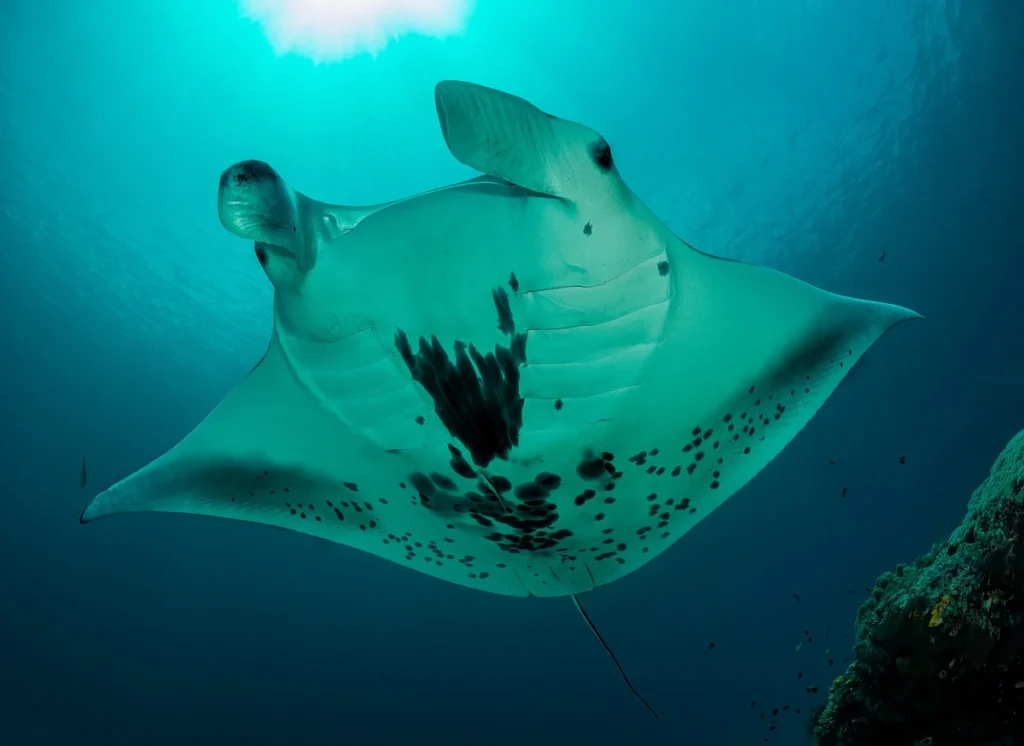
In the Dampier Strait, the resident reef manta ray population increased from 226 individuals in 2009 to 317 individuals in 2019. This growth highlights how effective conservation measures can help marine species recover over time.

These achievements demonstrate what is possible when governments, local communities, scientists, and tourism operators work together toward a common goal.

The Raja Ampat Research and Conservation Center (RARCC)

Raja Ampat Research and Conservation Center (RARCC)
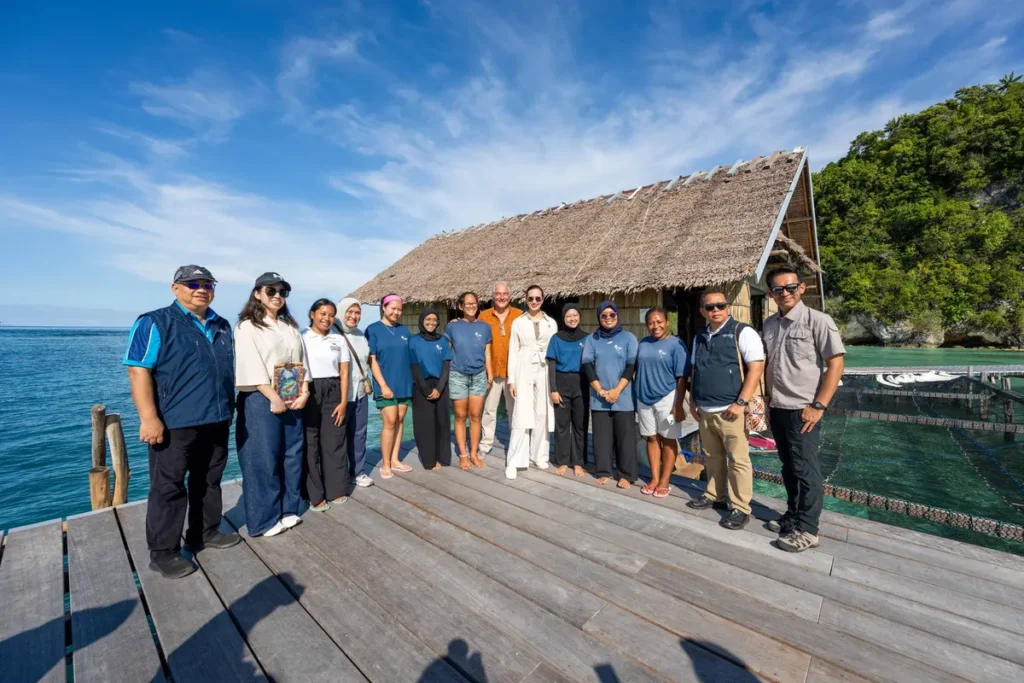
Visit from the Minister of Tourism to learn about our sustainable operations and ongoing conservation efforts

Papua Diving Resorts’ conservation work continues through the Raja Ampat Research and Conservation Center (RARCC). Established in 1993, RARCC focuses on environmental research, conservation projects, education, and community development throughout Raja Ampat.

One of its most notable programs is leopard shark conservation. Through its partnership with ReShark and the StAR Project, leopard shark eggs are raised and later released into protected habitats to help rebuild wild populations.

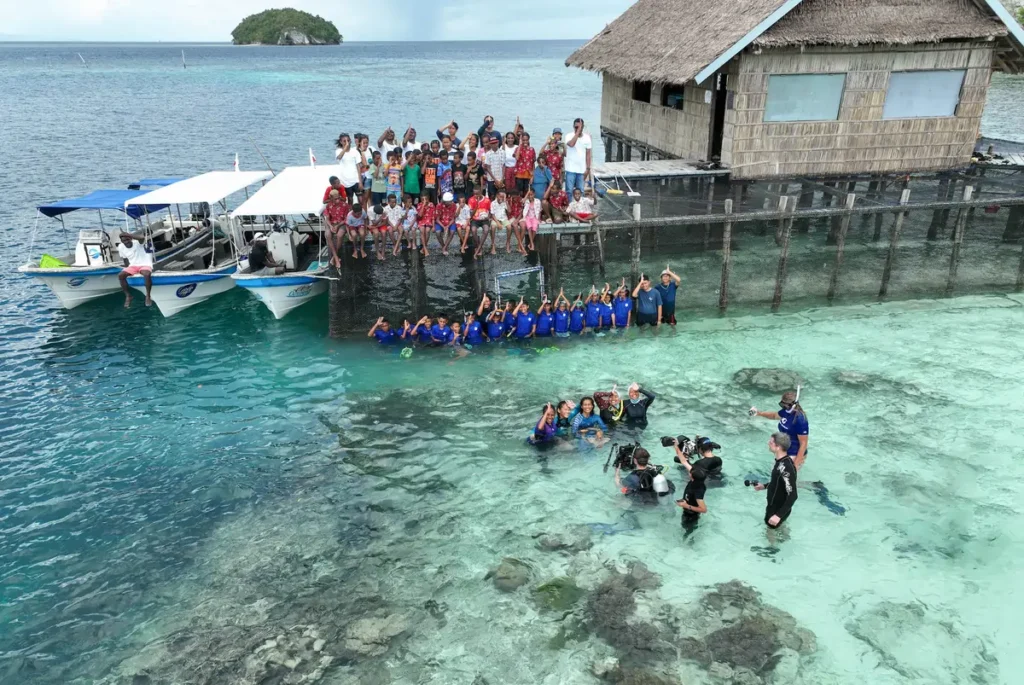
RARCC also supports school education programs, reforestation efforts, shark nursery initiatives, and scientific research projects. By working closely with local communities, the center helps create long-term support for conservation across the region.
Why Staying with Us Supports Conservation

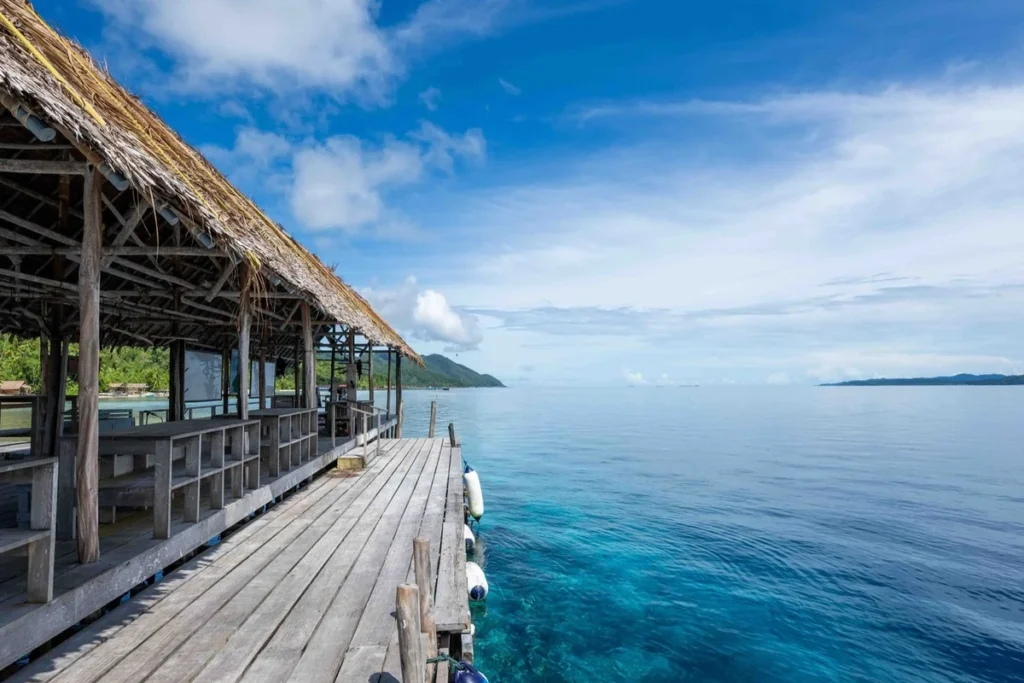
Choosing where to stay can make a difference when visiting Raja Ampat. Papua Diving Resorts combines tourism with environmental responsibility through sustainable resort operations, fuel-efficient boats, reef protection measures, and strong local employment programs.

A large portion of the company’s profits supports conservation and community projects through RARCC. Guests staying at Sorido Bay Resort or Kri Eco Resort directly contribute to ongoing conservation work, scientific research, and educational initiatives.

This means visitors can enjoy some of the best diving in the world while helping protect the ecosystems that make Raja Ampat so special.

Experience Raja Ampat with Purpose

Experience Raja Ampat with Purpose

Raja Ampat is much more than a beautiful diving destination. It is one of the world’s most valuable marine ecosystems and an inspiring example of successful conservation.

Protecting this unique environment requires ongoing collaboration between local communities, researchers, conservation organizations, and responsible tourism operators. By staying with Papua Diving Resorts, travelers become part of that effort.

Every visit helps support conservation programs, scientific research, education initiatives, and sustainable opportunities for local communities. Whether you come for the world-class diving, the incredible marine life, or the chance to travel more responsibly, we offer an opportunity to experience Raja Ampat while contributing to its future.

To plan your visit or learn more, contact us.

Frequently Asked Questions

Why is Raja Ampat important for marine conservation?

Raja Ampat is considered the world’s epicenter of marine biodiversity. The region is home to more than 1,500 reef fish species and 537 coral species, representing approximately 75% of all known coral species worldwide.

Its healthy reefs, protected waters, and rich marine life make it one of the most important areas for marine conservation.

What makes Cape Kri famous?

Cape Kri is famous for holding the world record for the highest number of fish species recorded during a single dive. In 2012, marine biologist Gerald R. Allen identified 374 fish species at the site, making it one of the richest dive locations on Earth.

How does Papua Diving Resorts support conservation?

Papua Diving Resorts supports conservation through sustainable tourism, environmental education, reef restoration initiatives, local community training programs, and ongoing support for the Raja Ampat Research and Conservation Center. The company also contributes much of its net profit toward conservation and community development projects.

What is the Raja Ampat Research and Conservation Center?

The Raja Ampat Research and Conservation Center (RARCC) is a nonprofit foundation that supports scientific research, environmental conservation, education programs, and community development projects throughout Raja Ampat. It works closely with us, conservation organizations, researchers, and local communities to help protect the region’s natural resources.