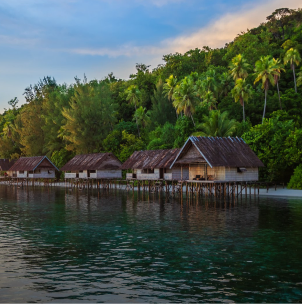
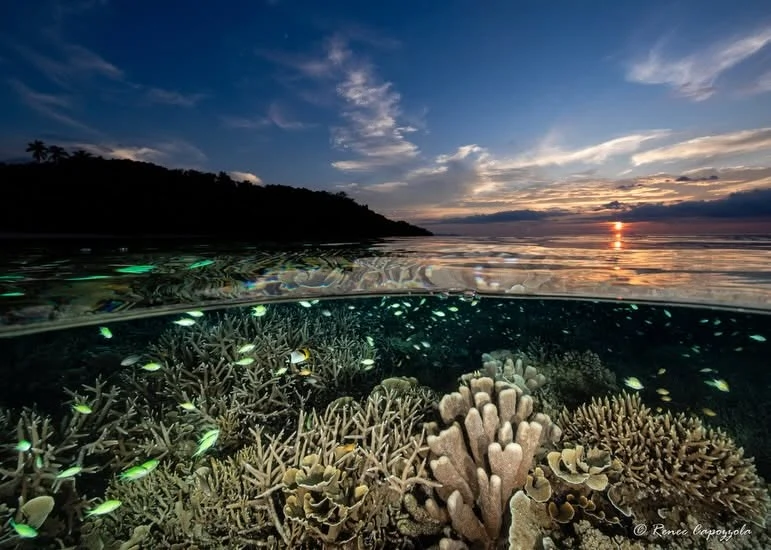
Renee Capozzola has photographed reefs across the globe, but Raja Ampat keeps pulling her back. In June 2026, she returned to Papua Diving Resorts for a sixth time, and a second time as SEACAM Ambassador in Residence (SAiR) at the Raja Ampat SEACAM Center, based at Sorido Bay Resort.

Raja Ampat keeps inspiring Renee Capozzola because its reefs stay healthy, its marine life keeps surprising her, and every dive still offers world class photographs worth taking, six visits later. Her work goes beyond capturing beautiful images: it helps people understand why these reefs, and the animals living in them, are worth protecting.

Here is her story, what makes Raja Ampat so rewarding for underwater photographers, and how the SEACAM Center helps guests learn from her and other SEACAM Ambassadors.


Who Is Renee Capozzola?

Renee Capozzola is a multi-award-winning underwater photographer known for colorful, powerful images of marine life. She has won more than fifty international awards, including Underwater Photographer of the Year in 2021, and was the first female photographer and first American to receive that title.

For Renee, underwater photography is about more than beautiful images. It helps people connect with the ocean and understand why it is worth protecting.

She is especially drawn to photographing sharks and animals she describes as often misunderstood, and uses her images to help viewers see them differently.


Why Does Renee Keep Returning to Raja Ampat?

Why Does Renee Keep Returning to Raja Ampat

Renee Capozzola first visited Raja Ampat in 2018, during a Coral Triangle expedition, and has described that first trip as one of the best of her career.

Even after diving in dozens of countries, Raja Ampat remains one of her favorites, and every visit still turns up something new. During her latest stay, she photographed an oceanic manta ray at the Blue Magic dive site, along with:

That range, in a single week, is part of what keeps her coming back. Raja Ampat continues to surprise even experienced photographers because every dive is different, shaped by shifting light, tides, and the density of marine life moving through the reef.
 

What Makes Raja Ampat So Special for Underwater Photography?

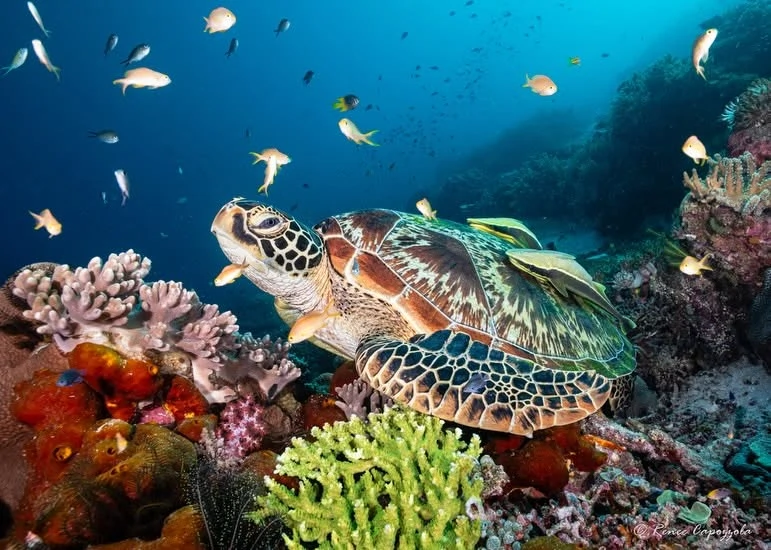
Raja Ampat sits at the heart of the Coral Triangle, the global center of marine biodiversity, and its reefs back up that reputation. Healthy hard and soft corals, clear water, and strong visibility give photographers a rare combination: wide-angle scenes and macro subjects on the same dive.

No matter how many times Renee returns, Raja Ampat still reveals something she has not photographed before. Changing tides, shifting light, and marine life that behave differently by the hour creates new opportunities, even on a dive site she has visited many times.

Few destinations offer this same mix of reef health, biodiversity, and constantly changing conditions, which is why photographers keep returning year after year.


Capturing Hope Beneath the Surface

Capturing Hope Beneath the Surface

Renee's recent social media posts from Raja Ampat feature vibrant coral reefs and colorful marine ecosystems, images that show the beauty still present beneath the surface. They also carry a message of hope: reefs like these still exist, and they are worth protecting.

That hope comes with a caveat. Raja Ampat's reefs, like reefs elsewhere, face real pressure from climate change, pollution, and unsustainable tourism. Renee's images do not look away from that pressure.

They simply show that healthy reefs still exist and deserve protection to keep thriving. 
 

Using Photography to Support Conservation

Underwater photography supports marine conservation directly:

  • It raises awareness
  • Helps people connect with marine animals
  • Encourages more responsible diving

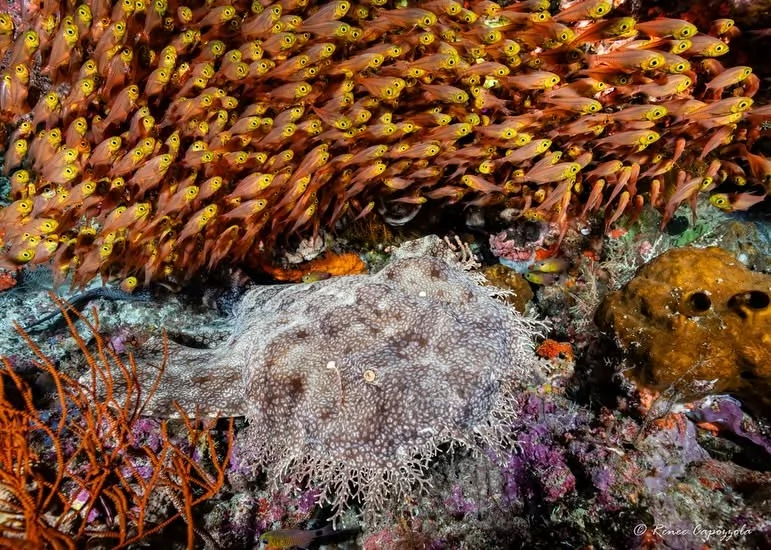
Near Sorido Bay Resort, that connection runs through the ReShark StAR Project, which works to restore populations of the Indo-Pacific leopard shark, also known as the zebra shark, in Raja Ampat. The project releases captive-bred juvenile sharks into protected local waters, part of a wider effort to rebuild a population that had nearly disappeared from the region.

Renee's goal as a photographer and this conservation work point in the same direction. A single striking photograph, like a single released shark, can change how people think about protecting the ocean.


Sharing Knowledge Through the Raja Ampat SEACAM Center

Sharing Knowledge Through the Raja Ampat SEACAM Center

The Raja Ampat SEACAM Center, located at Sorido Bay Resort, is the world's first dedicated SEACAM facility. It is open to any guest staying at Sorido Bay Resort or Kri Eco Resort, regardless of experience level or camera brand.

The center gives guests access to the latest SEACAM equipment and accessories, including housings, ports, and strobes. Guests with underwater photography experience can also try the gear out on a dive, GoPro 12 and OM System TG7 cameras are also available in the camera room, and dive guides and staff are on hand to advise on underwater photography throughout your stay.

Dive guides are trained to support photographers with composition, exposure, and gear care, on top of finding the marine life itself. During her time as a SEACAM Ambassador in Residence, Renee spent her stay sharing professional tips, reviewing guests' images, and offering one-on-one guidance suited to each photographer's equipment and goals.

The center also runs SEACAM Workshops, led by SEACAM Ambassadors such as Don Silcock, combining classroom instruction with practical training at Raja Ampat's best dive sites. 

Renee wrote about her stay at the Raja Ampat SEACAM Center for Dive Photo Guide, describing the equipment on offer and the range of marine life she encountered during her week at Sorido Bay Resort.

Her article is a useful, firsthand look at what the center offers guests. Six visits in, Renee Capozzola still finds new reasons to return to Raja Ampat:

  • Healthy reefs
  • Unpredictable marine life
  • Photo opportunities that change by the hour

Her work shows how a single photograph can shift how people feel about the ocean. Through the SEACAM Center and its Ambassador in Residence program, photographers at every level can learn from her and other experts while diving some of the richest reefs on Earth.

Plan your Raja Ampat diving adventure with Papua Diving Resorts and discover one of the most biodiverse marine environments on Earth. Guests visiting between July 12 and August 19, 2026, can also learn from SEACAM Ambassador Don Silcock, who will be in residence at Sorido Bay Resort and Kri Eco Resort during that period, through workshops or on-site personalized underwater photography guidance.


Frequently Asked Questions

Why Does Renee Capozzola Keep Visiting Raja Ampat?

Renee Capozzola has returned to Raja Ampat six times, drawn back by reefs that have stayed healthy and marine life that still surprises her. She first visited in 2018 and has returned regularly since, most recently as the first SEACAM Ambassador in Residence at the Raja Ampat SEACAM Center. 


What Is the Raja Ampat SEACAM Center?

The Raja Ampat SEACAM Center is the world's first dedicated SEACAM facility, located at Sorido Bay Resort. It offers equipment, workshops, and one-on-one guidance to underwater photographers at any experience level, using any camera brand, and is open to guests staying at Papua Diving Resorts.


Why Is Raja Ampat Important for Marine Conservation?

Raja Ampat sits within the Coral Triangle, one of the most biodiverse marine regions on Earth, making its reefs a priority for conservation. Programs like the ReShark StAR Project work from the area to restore Indo-Pacific leopard shark populations, while sustainable tourism helps fund ongoing protection.


Why Is Raja Ampat Considered a World-Class Destination for Underwater Photography?

Raja Ampat offers healthy hard and soft coral reefs, strong visibility, and marine life suited to both wide-angle and macro photography, often on the same dive. Changing tides and light conditions throughout the day create new photo opportunities, which is why experienced photographers like Renee Capozzola keep returning.