








Raja Ampat is one of the best places in the world for marine life and scuba diving. Located in the heart of the Coral Triangle in West Papua, Indonesia, this remote island region is famous for healthy coral reefs, crystal-clear water, and amazing biodiversity.
One of the biggest reasons divers visit Raja Ampat is to see sharks in their natural habitat. The region is home to many different shark species, including:
- Reef sharks
- Walking sharks
- Wobbegongs
- Zebra sharks
For anyone interested in reef sharks diving in Indonesia, Raja Ampat offers some of the most exciting shark encounters in Southeast Asia. Divers can often see sharks during regular reef dives, drift dives, and even night dives.
1. Blacktip Reef Sharks

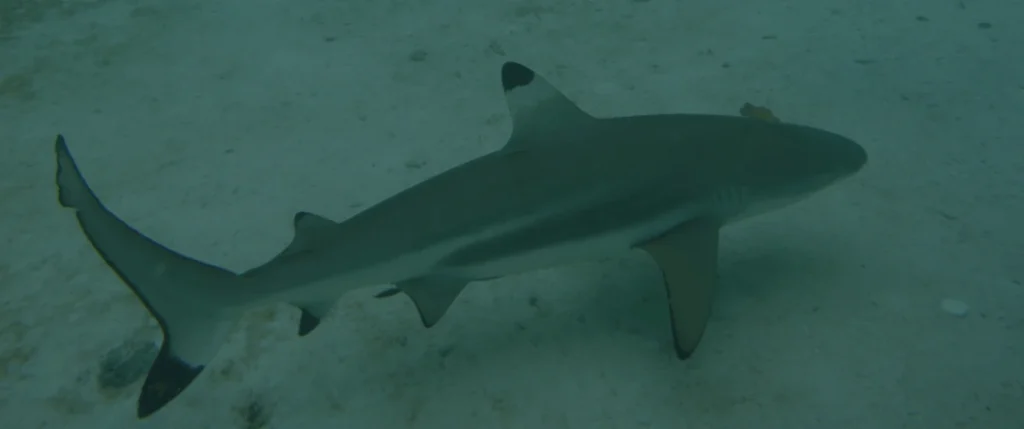
Blacktip reef sharks are one of the most common shark divers seen in Raja Ampat. They are easy to recognize because of the black markings on the tips of their fins.
These sharks are usually seen swimming in shallow reef areas, lagoons, and coral gardens. Divers often spot them around Kri Island and Cape Kri.
Blacktip reef sharks are shy and usually keep their distance from people. Many divers enjoy seeing them because they move gracefully through the reef and are great subjects for underwater photography.
2. Whitetip Reef Sharks
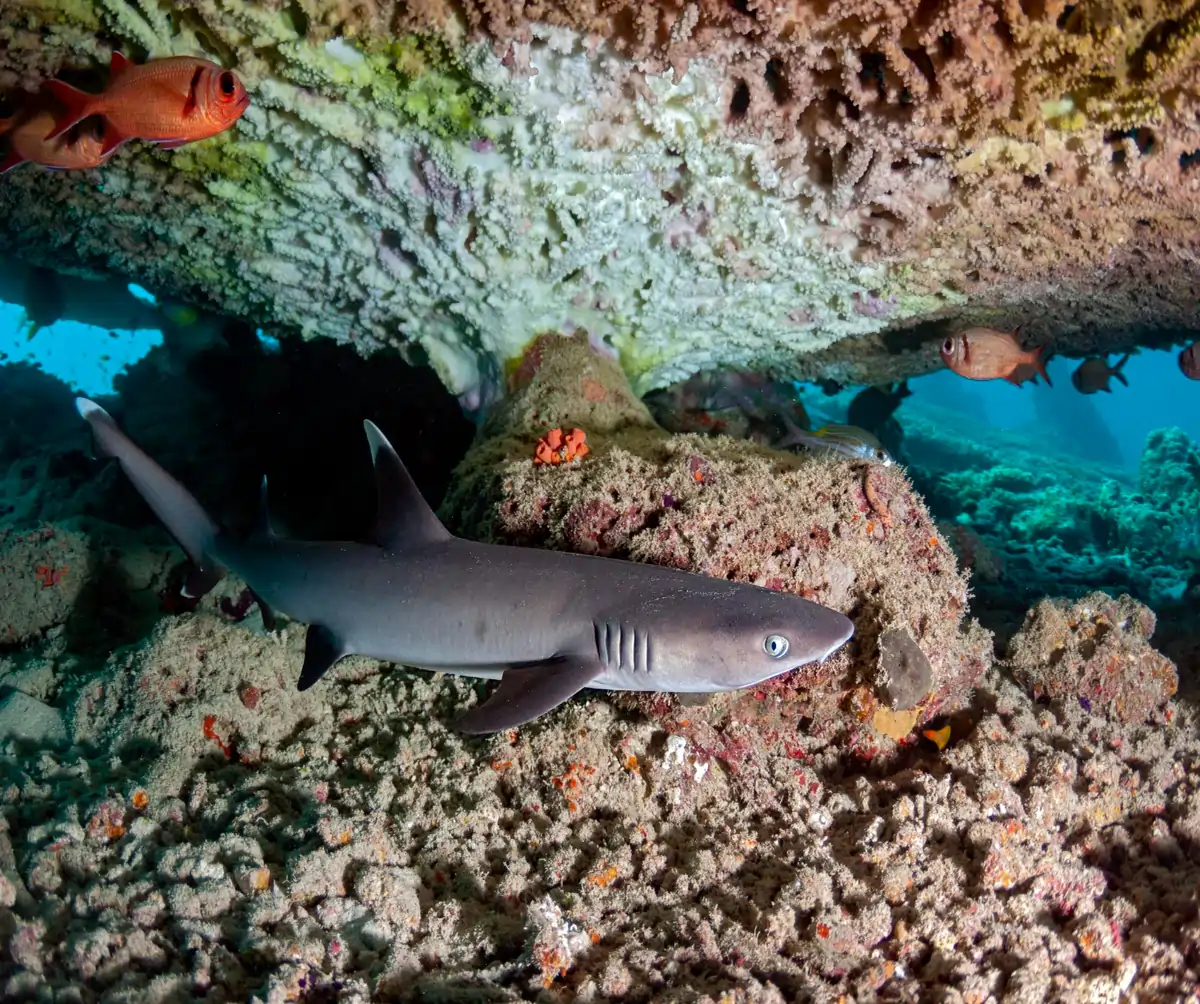
Whitetip reef sharks are another species commonly found in Raja Ampat. They have slim bodies and white markings on their fins.
Unlike blacktip reef sharks, whitetips are often seen resting on the reef during the day. Divers may find them lying under coral ledges or on sandy bottoms.
At night, they become more active and hunt for small fish and reef animals.
3. Grey Reef Sharks
Grey reef sharks are larger and more powerful-looking than blacktip and whitetip reef sharks. They are usually found in deeper water and around stronger currents.
Dive sites like Blue Magic and Sardines Reef are well known for grey reef shark sightings. Many experienced divers enjoy seeing grey reef sharks because they are active swimmers and often appear in areas with large schools of fish and strong ocean movement.
4. Epaulette Shark: Raja Ampat’s Walking Wonder

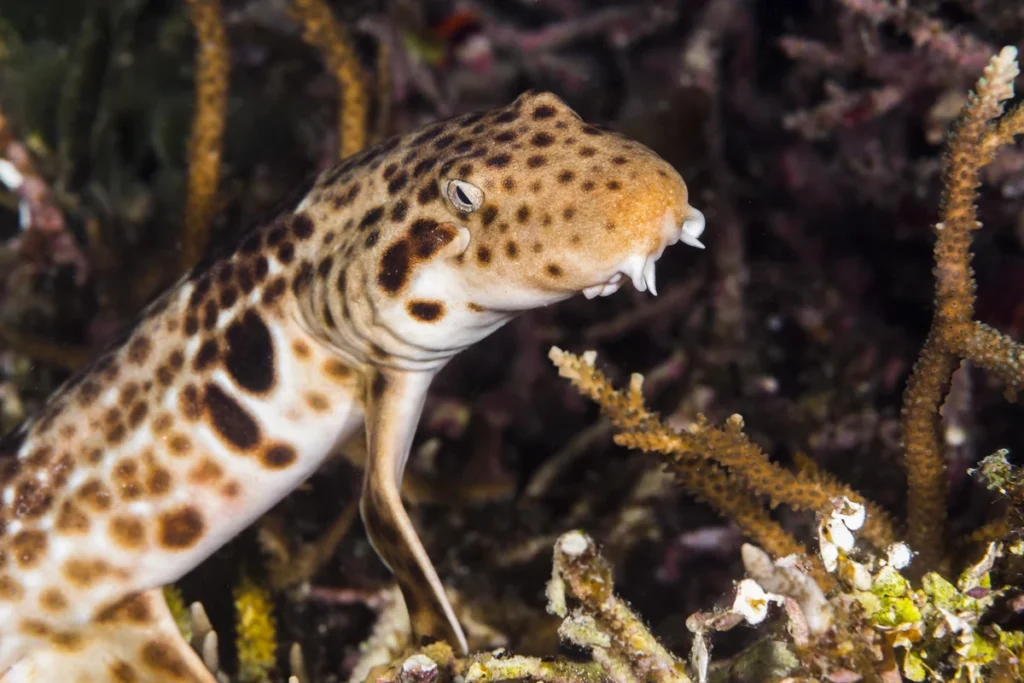
The epaulette shark is one of the most unique sharks in Raja Ampat and is known as a walking shark because it uses its fins to move across the reef. Guests at Papua Diving Resorts can often see these fascinating sharks while snorkeling on our house reef.
They are usually found in shallow reef areas, where their spotted pattern helps them blend into the surroundings. Raja Ampat is also an important place for walking shark research, and Max Ammer worked alongside marine biologist Mark Erdmann to help identify a new species of walking shark in the region.
Walking sharks, including the epaulette shark, are particularly special because several species are found exclusively in Raja Ampat and the surrounding region. These sharks make up a vital component of the area’s marine biodiversity. Night dives are the ideal time to observe these creatures, as they become more active after sunset. Divers frequently encounter epaulette and other walking sharks near the shallow reefs around Kri Island.
For underwater photographers and marine life enthusiasts, spotting an epaulette shark represents one of the most memorable experiences when diving in Raja Ampat.
5. Wobbegongs of Raja Ampat

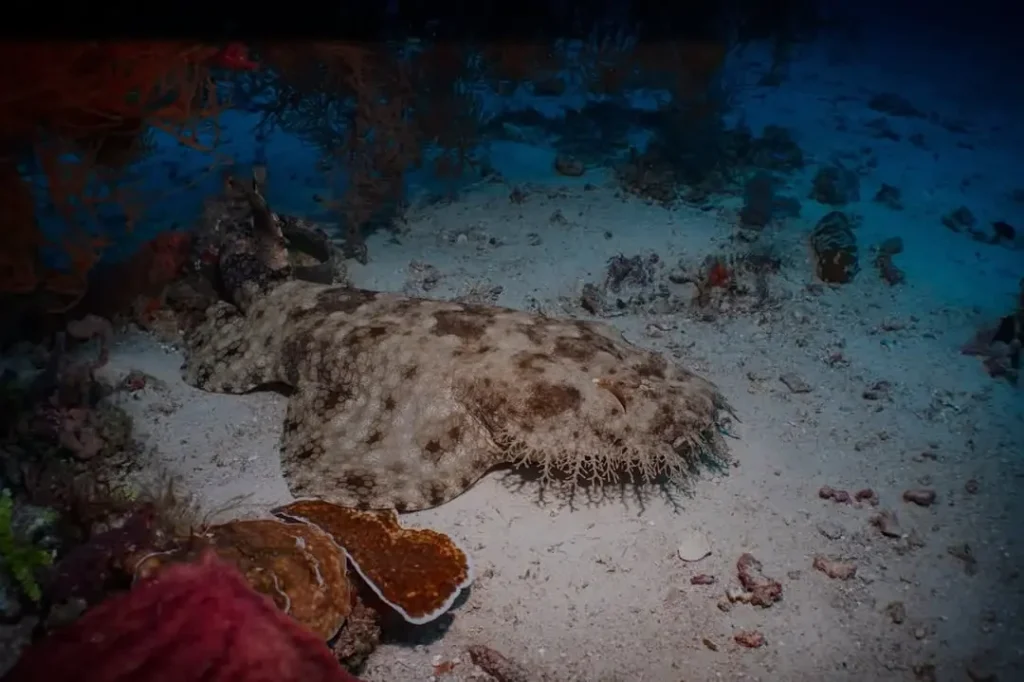
Tasselled wobbegongs are some of the most unusual-looking sharks in Raja Ampat. These sharks have flat bodies and detailed patterns that help them blend perfectly into the reef.
They usually rest under coral ledges, inside caves, or between rocks during the day. Because of their amazing camouflage, divers sometimes do not notice them right away. Underwater photographers love photographing wobbegongs because of their textures and unique appearance.
Although several wobbegong species occur across the Indo-Pacific region, divers in Raja Ampat most commonly encounter the tasselled wobbegong (Eucrossorhinus dasypogon), one of the most iconic carpet sharks in the area. The Papuan wobbegong (Orectolobus leptolineatus) can also occasionally be spotted in Raja Ampat’s waters, although sightings are much less common.
Thanks to their extensive local knowledge and experience, our dive guides are experts at spotting these well-camouflaged sharks hidden among the reef. Their unique patterns, textures, and appearance make them a favorite subject for underwater photography.
8. Zebra Sharks

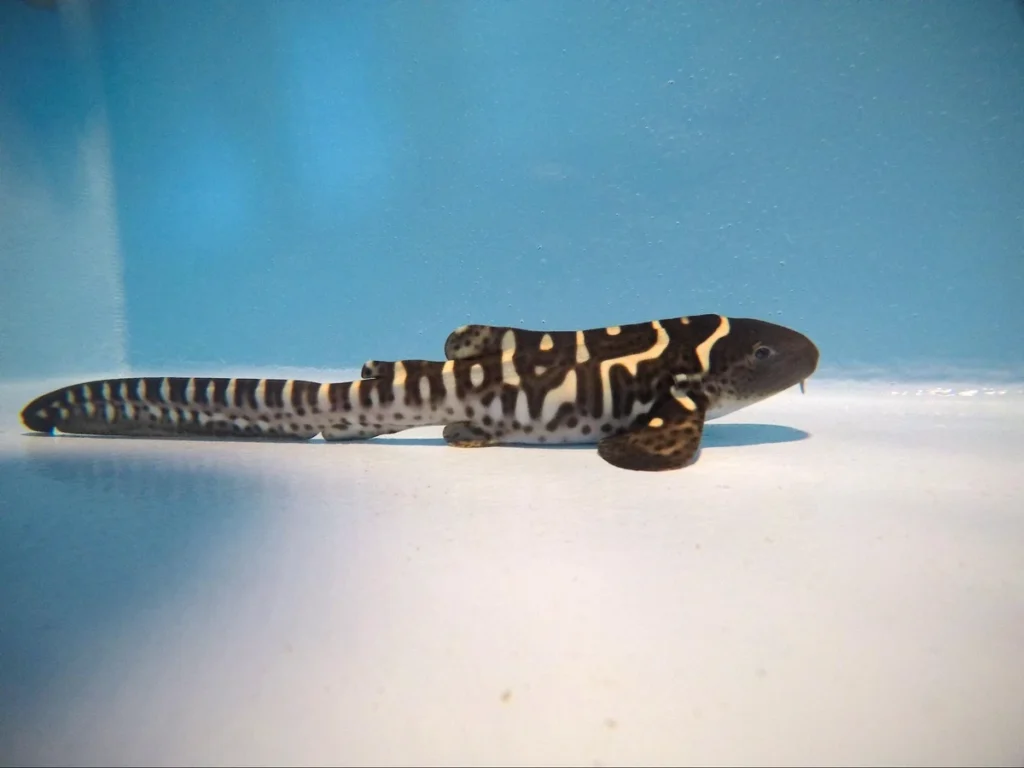
Zebra sharks are another exciting species divers may encounter in Raja Ampat. Young zebra sharks have striped patterns, while adults develop spots and long tails.
These sharks are calm and slow-moving. Divers often see them resting on sandy bottoms or swimming close to coral reefs.
Zebra sharks are also closely linked to ongoing conservation efforts in Raja Ampat, including the ReShark Project at the Raja Ampat Research and Conservation Center (RARCC), supported by Papua Diving’s commitment to marine protection and sustainable tourism. Through partnerships focused on shark restoration and reef conservation, these initiatives help protect the region’s fragile marine ecosystems for future generations. While sightings are never guaranteed, encountering a zebra shark in the wild is a rare and unforgettable reminder of the incredible biodiversity Papua Diving works to help preserve.
Why is shark conservation important in Raja Ampat?
Shark conservation plays a vital role in protecting Raja Ampat’s delicate marine ecosystems. As apex predators, sharks help maintain the natural balance of coral reef environments by supporting healthy fish populations and overall biodiversity. Raja Ampat’s marine protected areas, combined with sustainable tourism initiatives, are essential in safeguarding these species and their habitats.
Papua Diving Resorts actively supports responsible tourism and eco-friendly diving practices that contribute to the long-term protection of Raja Ampat’s marine life for future generations.
Are Sharks in Raja Ampat Dangerous?
Many first-time divers ask, “Are sharks dangerous in Raja Ampat?”
In most cases, the answer is no. The sharks commonly seen in Raja Ampat are reef sharks that naturally avoid humans.
Shark encounters here are usually calm and peaceful. Divers safely observe sharks from a respectful distance while following the instructions of professional dive guides.
Responsible diving practices are important. Divers should never touch, chase, or disturb marine animals. Respecting the reef helps keep both divers and marine life safe.
Why Raja Ampat Is Famous for Shark Diving
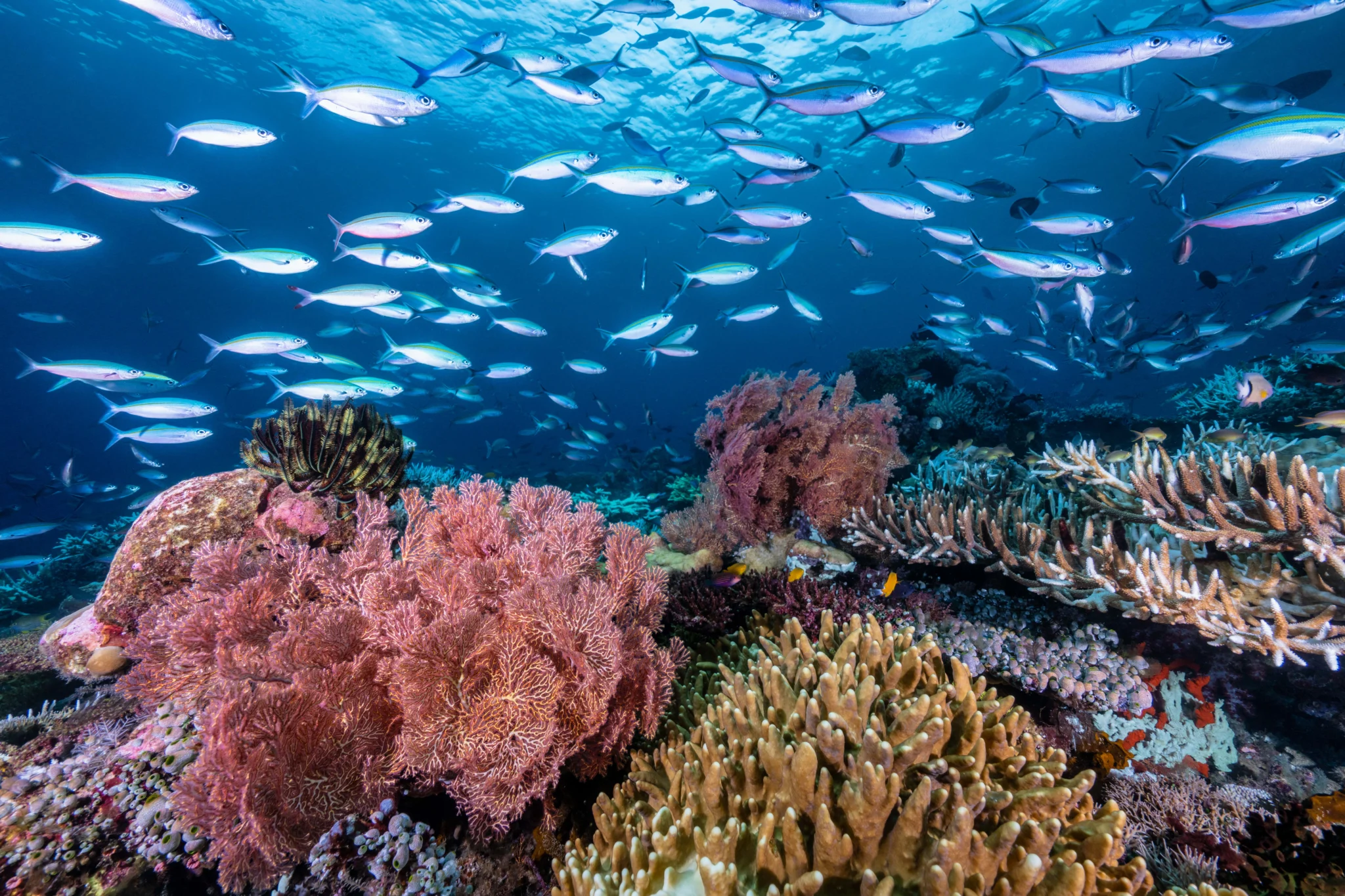
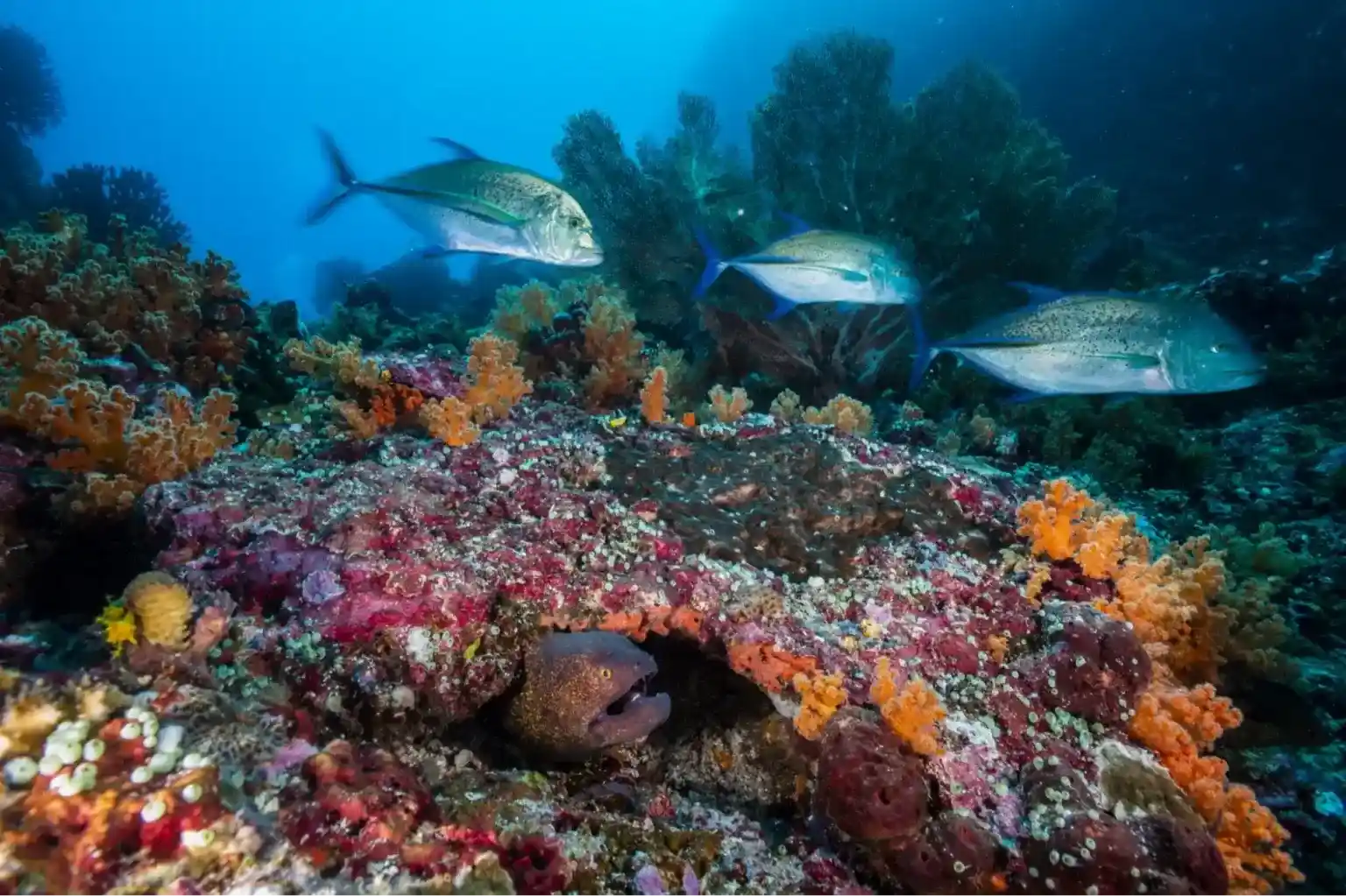
Raja Ampat is part of the Coral Triangle, a marine region known for having the highest coral and fish diversity on Earth. The reefs here are healthy and full of life, creating the perfect environment for many shark species reefs Papua Indonesia are known for.
Strong conservation efforts and marine protected areas help keep shark populations healthy. Because of this, divers regularly see sharks in many parts of Raja Ampat throughout the year.
Popular shark diving areas include:
- Dampier Strait
- Kri Island
- Cape Kri
These locations are known for strong currents, rich marine life, and exciting drift dives.
Best Dive Sites in Raja Ampat for Shark Encounters
1. Cape Kri
Cape Kri is famous for rich marine biodiversity and frequent reef shark sightings. Divers commonly see blacktip and whitetip reef sharks here.
2. Blue Magic
Blue Magic is a popular dive site with strong currents and lots of pelagic fish. Grey reef sharks are sometimes seen swimming nearby.
3. Sardines Reef
Sardines Reef is known for colorful coral reefs and large schools of fish that attract reef sharks.
4. Chicken Reef
Chicken Reef offers beautiful coral scenery and regular shark sightings during drift dives.
5. Mioskon
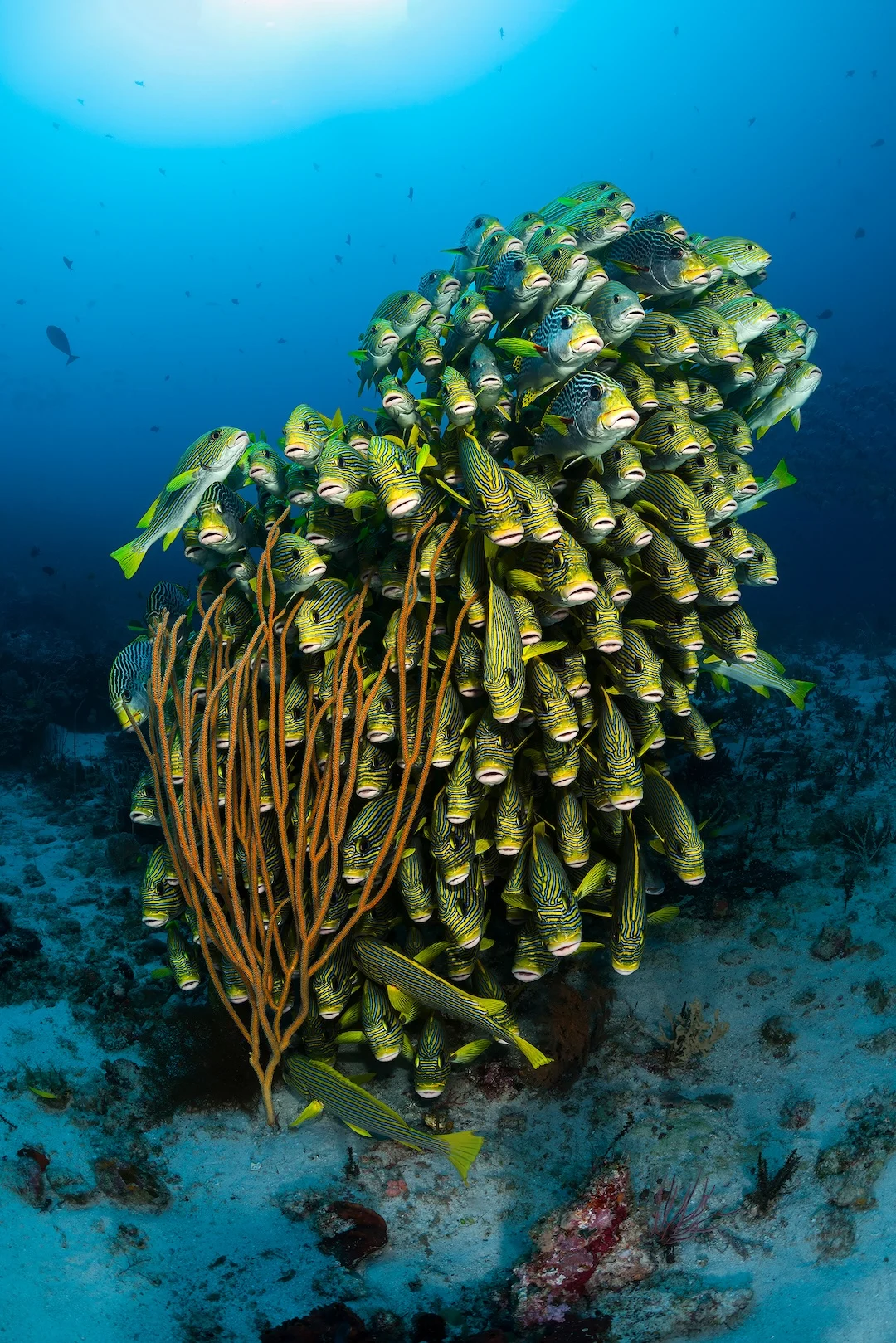
Mioskon is one of Raja Ampat’s most popular dive sites and is especially known for its wobbegong shark sightings. With the help of experienced dive guides, divers can often spot these well-camouflaged sharks resting on the reef alongside schools of yellow snappers and other marine life.
Guests staying with Papua Diving can easily access many of these famous dive sites.
Why Raja Ampat Is a Dream Destination for Sharks Underwater Photography
Raja Ampat is one of the best underwater photography destinations in the world. The region offers clear water, colorful coral reefs, and incredible marine biodiversity.
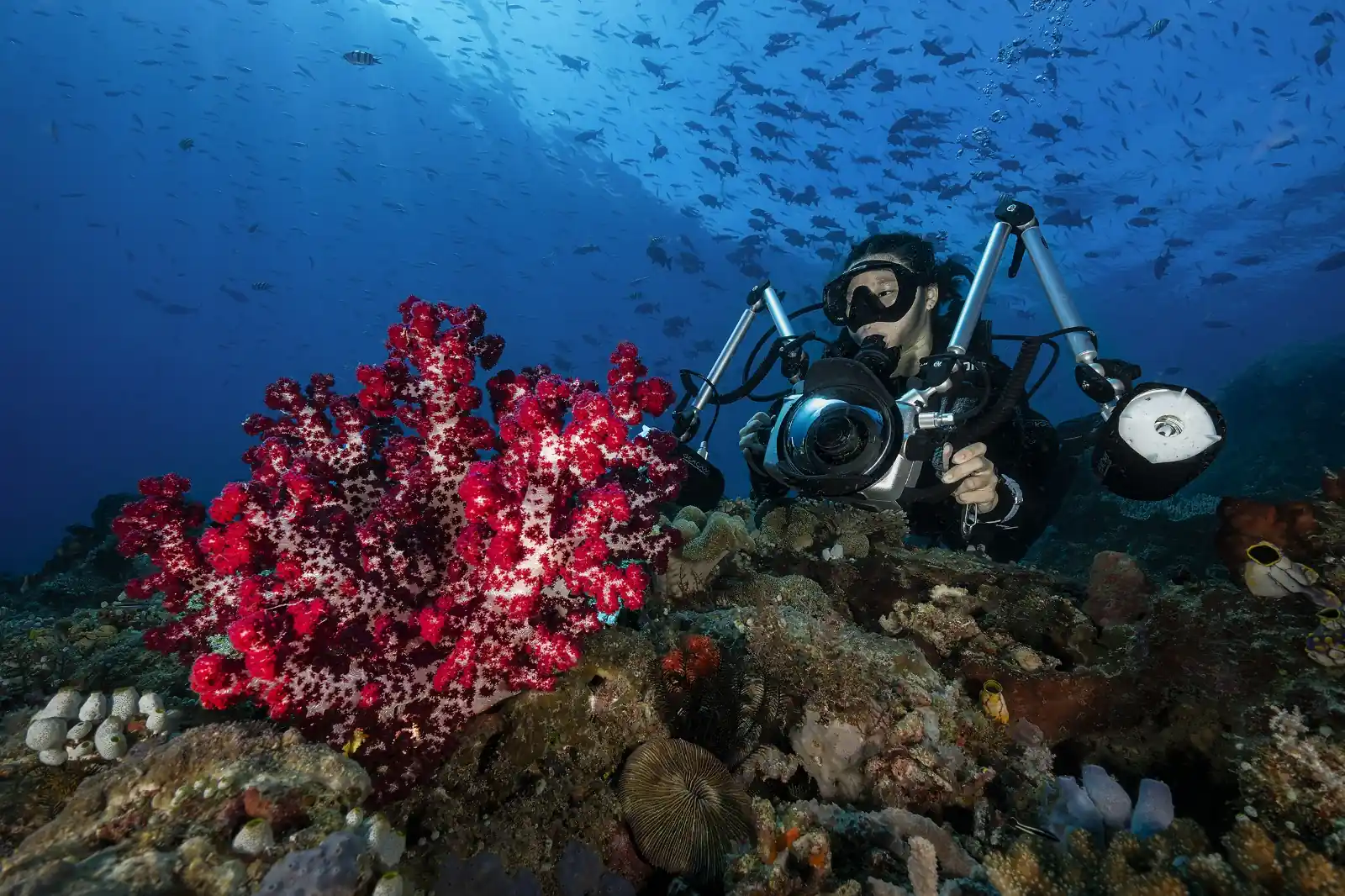
Photographers can capture reef sharks swimming above coral gardens, wobbegongs resting under ledges, and walking sharks during night dives. The Raja Ampat SEACAM Center and SEACAM Workshops help underwater photographers improve their skills while exploring Raja Ampat’s reefs.
What Makes Diving with Papua Diving Resorts Different?
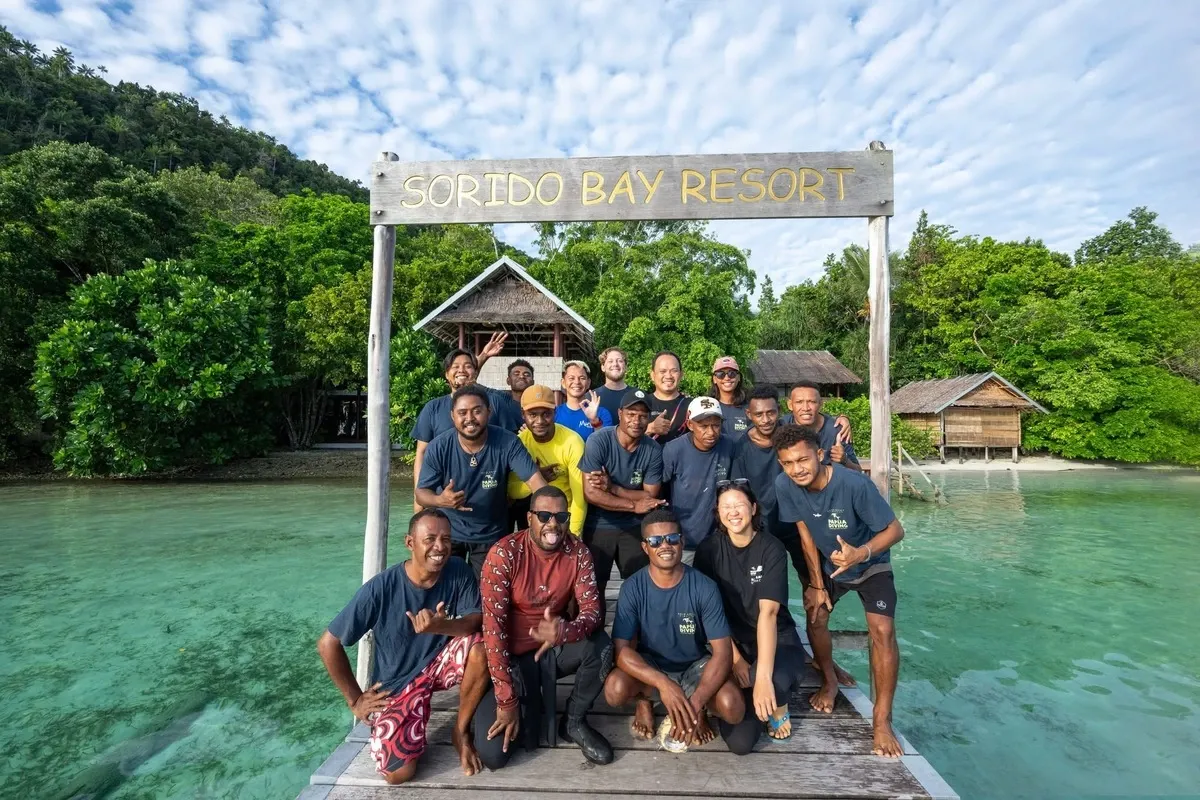
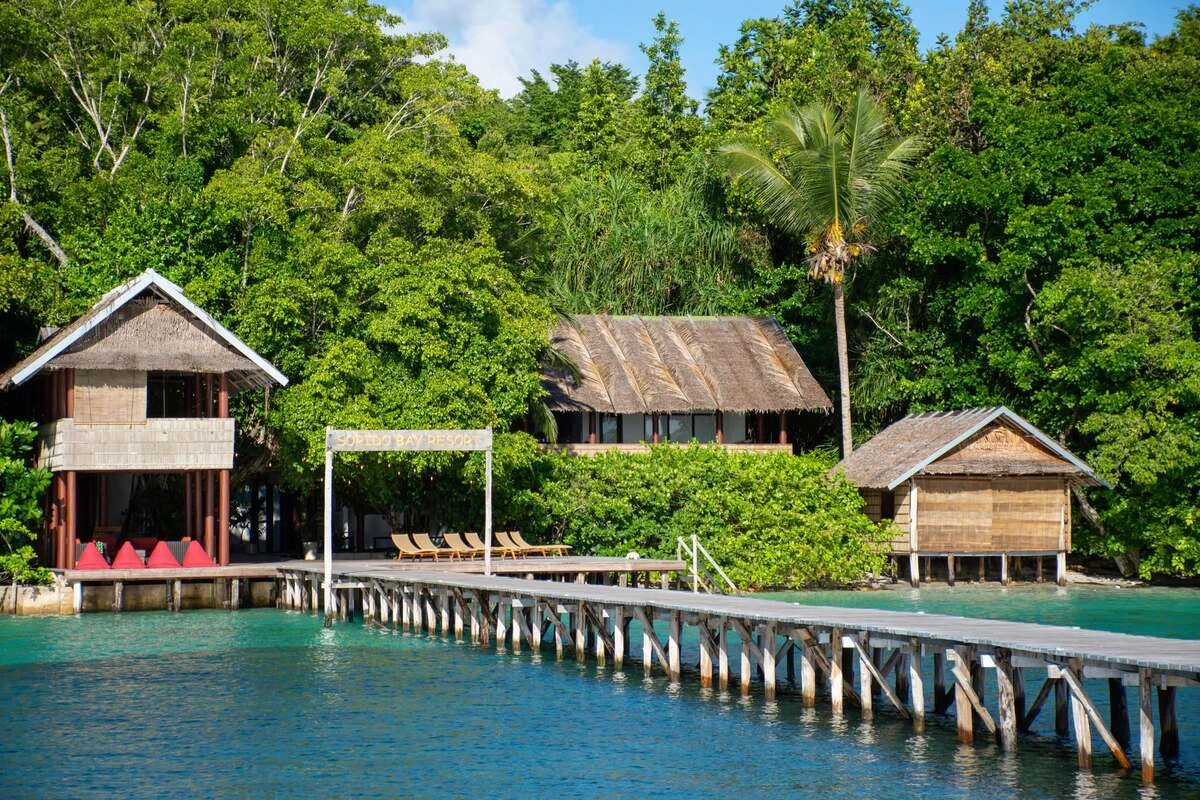
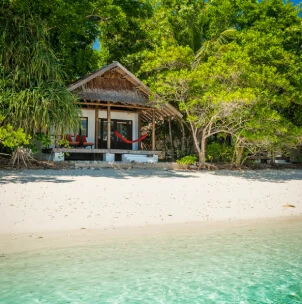
Papua Diving has been operating in Raja Ampat since 1990 and is known for personalized diving experiences and eco-conscious tourism. Guests can stay at Sorido Bay Resort or Kri Eco Resort, both offering easy access to world-class dive sites and house reef diving directly from the resort.
Divers enjoy:
- Small dive groups
- Personalized service
- PADI 5-Star dive facilities
- Beachfront accommodations
- Easy access to house reefs
- Eco-friendly diving practices
The Raja Ampat SEACAM Center and SEACAM Workshops also provide extra value for underwater photographers visiting Raja Ampat.
The different types of sharks in Raja Ampat are one of the main reasons divers from around the world visit this extraordinary destination. From reef sharks and zebra sharks to walking sharks and wobbegongs, Raja Ampat offers unforgettable underwater encounters for divers of all experience levels.
Whether you want to improve your underwater photography, explore healthy coral reefs, or simply enjoy world-class diving, Raja Ampat is truly a bucket-list destination. Plan your next adventure with us and stay at Sorido Bay Resort or Kri Eco Resort to experience some of the best shark diving in Indonesia.
FAQ About Sharks in Raja Ampat
What sharks can you see in Raja Ampat?
Raja Ampat is home to many shark species, especially reef sharks. Divers commonly see blacktip reef sharks, whitetip reef sharks, grey reef sharks, wobbegongs, and the famous walking sharks.
Are sharks dangerous in Raja Ampat?
Most sharks in Raja Ampat are calm and not dangerous to divers. Reef sharks usually avoid people and are more interested in hunting small fish.
As long as divers follow safety instructions and respect marine life, shark encounters are generally peaceful and safe.
What is a walking shark?
A walking shark is a small shark that moves across the reef using its fins instead of swimming all the time. The epaulette shark is the best-known example and is one of Raja Ampat’s most unique marine animals.
When is the best time for shark diving in Raja Ampat?
One of the great things about shark diving in Raja Ampat is that sharks can be seen throughout the year. There is no specific “shark season,” as many shark species live in the region year-round.
Whether you visit during the high season or low season, you have a good chance of encountering sharks on many of Raja Ampat’s dive sites.
Blog