Few places in the world rival the sheer abundance of life found beneath the surface in Raja Ampat. Known as the most biodiverse marine ecosystem on Earth, this remote corner of Indonesia offers divers a rare opportunity to witness thriving coral reefs and an extraordinary variety of marine species in a single dive.

Among the many celebrated Raja Ampat dive sites, Chicken Reef stands out as one of the most exciting and rewarding. Located in the heart of the Dampier Strait, this submerged seamount is shaped by strong currents that fuel a vibrant ecosystem, attracting everything from schooling fish to reef sharks.

Just a short boat ride from Kri Island and easily accessible from Sorido Bay Resort and Kri Eco Resort, Chicken Reef offers both convenience and adventure. This guide will take you through everything you need to know before diving this remarkable site, including its history, conditions, marine life, and expert tips.

What Is Chicken Reef Raja Ampat?

Chicken Reef is a submerged seamount located near Kri Island, rising from deeper waters to form a thriving underwater habitat. Its structure creates an ideal environment for marine life, making it one of the most productive dive sites in the region.

The site was first explored by Max Ammer, one of the pioneers of diving in Raja Ampat. Its unusual name comes from a memorable early dive. During an encounter with reef sharks, Max's friend and dive buddy became nervous and pulled out a knife. Max later joked that his friend had acted like a chicken, and the name remained.

Today, Chicken Reef is recognized as one of the must-visit Raja Ampat dive sites, especially for divers seeking a dynamic and engaging underwater experience.

Where Is Chicken Reef Located?

Chicken Reef is situated in the Dampier Strait, an area known for its nutrient rich waters and powerful currents. These currents carry plankton through the channel, attracting a wide range of marine species and creating a lively underwater environment.

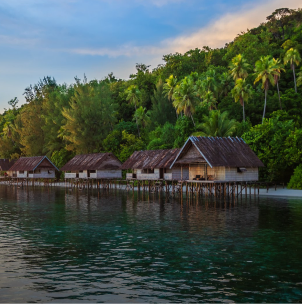
Its location makes it easily accessible for guests staying at Sorido Bay Resort and Kri Eco Resort. Both resorts are positioned along Kri Island, allowing divers to reach the site quickly and spend more time exploring beneath the surface.

This proximity adds to the overall experience, offering seamless access to some of the best diving in Raja Ampat.

Dive Site Conditions and Topography

The underwater landscape of Chicken Reef is both varied and visually striking. The site features coral bommies, sloping reef structures, and open areas where currents sweep across the reef.

Depths typically range from 5 to 30 meters, allowing divers to explore different zones during a single dive. Visibility is generally excellent, often between 15 and 30 meters, providing clear views of the reef and surrounding marine life.

Water temperatures remain warm throughout the year, averaging between 28 and 30 degrees Celsius.

Currents play a defining role in the experience. They can range from moderate to strong and are ideal for drift diving. While these conditions require skill and awareness, they are also what makes Chicken Reef so rewarding. The steady flow of water brings nutrients and supports the incredible biodiversity found here.

Marine Life at Chicken Reef

Chicken Reef Raja Ampat Dive Site
Source: Don Silcock

Chicken Reef offers an impressive combination of pelagic encounters and detailed macro life, reflecting the richness of Raja Ampat’s ecosystems.

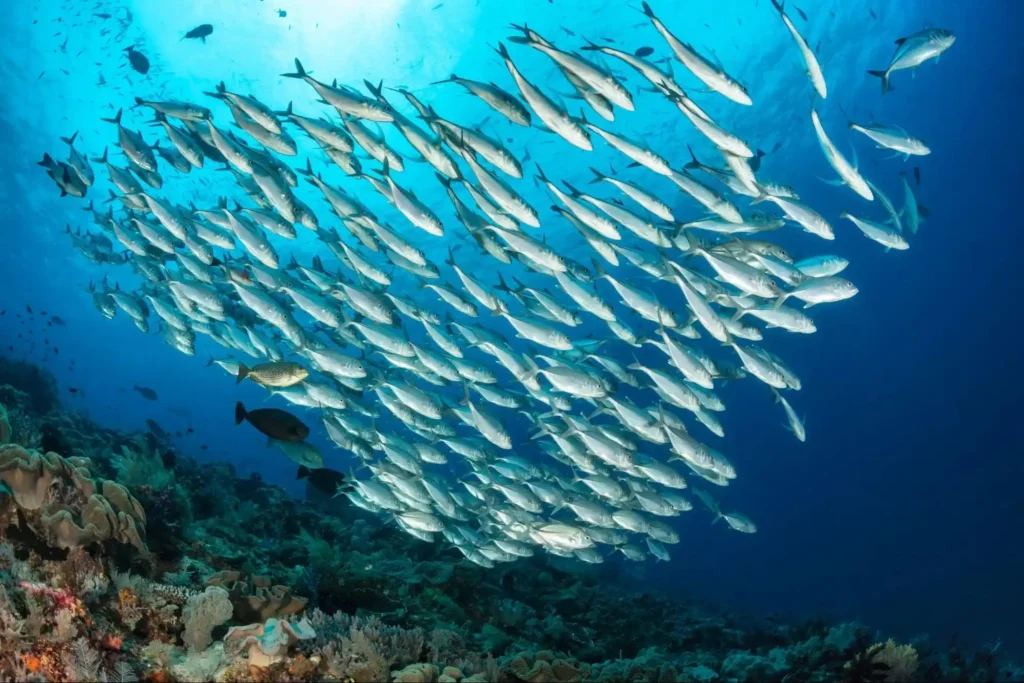
In the open water, schools of fusiliers, snappers, and jacks move in synchronized formations. Barracuda and giant trevally are often seen hunting along the reef edges, while tuna pass through in quick bursts. Reef sharks, including blacktip and whitetip species, are regular visitors.

Larger species may also appear, including Spanish mackerel and bumphead parrotfish. Wobbegong sharks can often be found resting on the reef, blending seamlessly with their surroundings.

Closer to the reef, a different world emerges. Pygmy seahorses cling to delicate sea fans, while nudibranchs display vibrant colors against the coral. Frogfish and mantis shrimp add to the diversity, offering exciting discoveries for those who take the time to look closely.

The coral itself is equally remarkable. A mix of hard and soft corals, including gorgonians and table corals, creates a complex habitat that supports an extraordinary range of marine life.
Why Chicken Reef Is One of the Best Raja Ampat Dive Sites

Chicken Reef stands out because of its energy and diversity. The currents continuously bring nutrients, supporting a thriving ecosystem that changes with every dive.

It offers a unique balance between encounters with large pelagic species and opportunities to explore macro life. Compared to more well known sites such as Cape Kri, it often feels less crowded, allowing for a more personal and immersive experience.

Each dive brings something new, making it a favorite among experienced divers who appreciate both variety and unpredictability.

Who Should Dive Chicken Reef?

Chicken Reef is best suited to intermediate to advanced divers. The presence of currents and changing conditions requires good buoyancy control and confidence in the water.

Divers who are comfortable with drift diving will find the site particularly enjoyable. It offers an opportunity to move with the current while observing the reef in motion.

For beginners, the conditions may be challenging. It is often recommended to gain experience on calmer sites before exploring Chicken Reef.

Best Time to Dive Chicken Reef

Diving at Chicken Reef is possible throughout the year due to Raja Ampat’s stable tropical climate. However, the best conditions are often found between October and December, when visibility can be especially clear and seas are generally calmer.

Tides play an important role in determining current strength. Dive guides carefully plan each dive to align with optimal conditions, ensuring both safety and the best possible experience.

Seasonal variations may influence visibility and marine activity, but the site remains rich in life year-round.

Underwater Photography at Chicken Reef

Chicken Reef Raja Ampat Dive Site

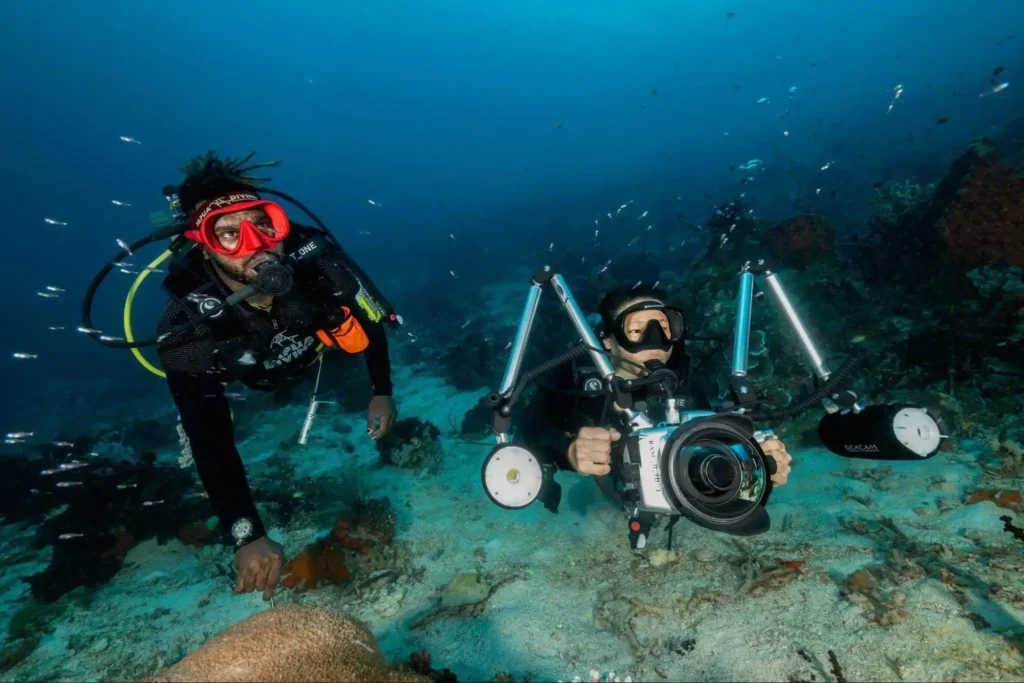
Chicken Reef is a standout destination for wide-angle underwater photography, where dramatic coral formations rise from the reef, and vast schools of fish move in unison through the blue. The site’s rich structure and constant marine activity create the perfect conditions for capturing sweeping reefscapes and dynamic, immersive scenes.

The Raja Ampat SEACAM Center, located at Sorido Bay Resort, provides access to professional equipment and expert support. Through dedicated underwater photography workshops, photographers can refine their skills while exploring one of the most visually rich marine environments in the world.

This makes Sorido Bay Resort a leading destination for underwater photographers seeking both expertise and inspiration.

Where to Stay for Diving Chicken Reef?

Chicken Reef Raja Ampat Dive Site

Staying close to the dive sites enhances the overall experience and choosing the right resort in Raja Ampat is essential. Both Sorido Bay Resort or Kri Eco Resort offer ideal access to Chicken Reef.

Located along Kri Island, these resorts provide direct access to the Dampier Strait and its world class dive sites. Guests benefit from short travel times, professional dive services, and a comfortable environment designed for relaxation after a day in the water.

Both resorts also reflect a strong commitment to sustainability, allowing guests to experience Raja Ampat while supporting its preservation.

Your Next Raja Ampat Adventure Awaits

Chicken Reef is one of the most thrilling dive sites in Raja Ampat, offering a powerful combination of strong currents, rich marine biodiversity, and ever changing underwater encounters.

From schools of fish moving in unison to the quiet presence of reef sharks and hidden macro life, every dive here reveals something new.

For divers seeking both adventure and discovery, Chicken Reef is an essential experience. Discover this remarkable site with Papua Diving Resorts and enjoy direct access to some of the best diving in Raja Ampat from Kri Island. Book your stay today and experience one of the most exciting dive sites in Raja Ampat.

Frequently Asked Questions About Chicken Reef in Raja Ampat

Is Chicken Reef suitable for beginners?

Chicken Reef is not recommended for proper beginners due to its moderate to strong currents and dynamic conditions. The site requires good buoyancy control and confidence in drift diving. It is best suited for intermediate to advanced divers who are comfortable moving with the current and adapting to changing underwater conditions.

What marine life can you see at Chicken Reef?

Divers at Chicken Reef can encounter a wide range of marine life, including schools of fusiliers, snappers, and jacks, as well as barracuda, tuna, and giant trevally. Reef sharks such as blacktip and whitetip sharks are commonly seen, along with wobbegong sharks resting on the reef. Macro life includes pygmy seahorses, nudibranchs, frogfish, and mantis shrimp.

When is the best time to dive Chicken Reef?

You can dive Chicken Reef all year-round, with the best conditions typically occurring between October and December. During this period, visibility is often excellent and sea conditions are generally calmer, although tides will always influence current strength and dive conditions.